Category: Australia

Computer Spot

For a few years before I left Australia, my gaming life was all about the PC. Bernard had purchased his first computer in the early 90’s (for an ungodly amount in those days) and even though it was in his room I played games on it every chance I could get.

I mostly played RPGs and strategy games, and this was the era of the SSI ‘gold box’ AD&D series (all of which I played), classics like Eye Of The Beholder and Ultima 7 (thanks, Bernard, for helping me set up a boot disc to run that beast!), the Might and Magic series and… this game:

That’s a postcard for the 7th Wizardry game. I found it the other day while doing some random sorting through stuff we had in a crate. The postcard is in astonishing condition considering it’s age, for it was given out in a store to advertise the imminent release of the game. Remember those pre-internet days when shops were full of catalogues and handouts to advertise upcoming releases? It was fun grabbing all the free stuff and looking through it afterwards. What makes this postcard particularly interesting is the reverse:

Incredibly, this is an original card I picked up myself before the game was released! Some time in mid 1992 I waltzed into Computer Spot in Charlestown and would have grabbed this, possibly when I was there to buy something else. The vast majority of my game purchases were made at this particular store, which was a few doors down from the fish-and-chip shop where I first played Ghosts’n’Goblins and Exed Exes many years before. At this very store I bought the previous Wizardry game, all the SSI games, the Ultima games and a few others like Battle Isle and The Summoner. Bernard bought his flight simulators here as well.

Those were the glory days of boxed PC software, when the boxes were loaded with bonus items (‘feelies’, as Infocom called them) and the box art was wonderful. Computer Spot was loaded with games, and to an avid player like myself it was always fun to go in and browse the titles. For those few years I devoured what would become some of the best PC RPG’s of all time, and I have very fond memories of that era. The pinnacle of the games was Crusaders Of The Dark Savant, a challenging and lengthy dungeon crawl that I was proud to eventually beat, which was no small feat in the time before internet FAQs.

At the time I left Australia Computer Spot was evolving away from exclusively PC games into a general game store as they added consoles to their stock. At some point since then they’ve ceased to be. My guess is, assuming they even lasted that long, that like most stores of their type they didn’t survive the transition to online computer game distribution. I wonder when exactly that Charlestown store that I loved so much closed it’s doors for good?

I used to keep my games in perfect condition fully boxed, and don’t remember what happened to all of them either before or after I left Australia. I imagine I left them with Bernard or passed them on to someone, and they were all eventually sold and/or trashed. I wish I still had my two boxed copies of Wizardry V and VI, but even though I don’t, it gives me a warm feeling inside to know that for some reason I kept this postcard, and even brought it to America with me so long ago 🙂
Australian Squirrels

I was doing some research for lecture preparation the other day and learned something I never knew: Australia has had squirrels! And there’s a small chance the country still does…

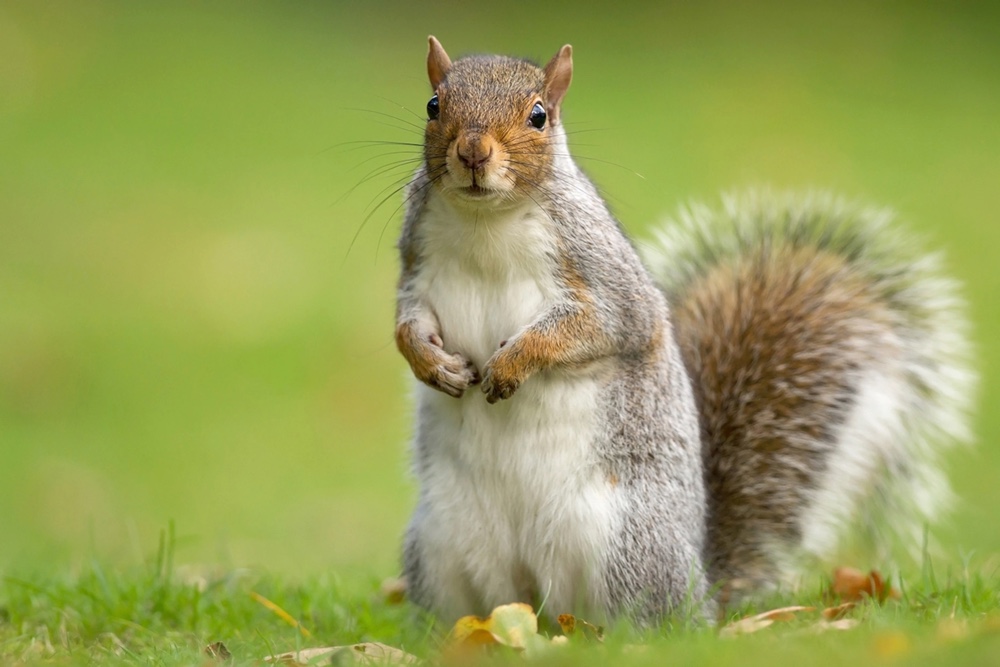
Grey squirrels (the same ones common in our backyard!) were introduced into botanical gardens in Melbourne in 1880, and Ballarat in 1937. They spread into surrounding suburbs and gardens but were never truly successful, and apparently died out within a few decades. It’s possible the last remaining grey squirrel in australia was a pet which lived for 9 years (and was fed breakfast cereal)! I can’t find much information about why they died out but it may have been a combination of a small initial colony, lack of suitable food, competition from possums and natural predation (including from lizards and birds).

Needless to say this experiment will never happen again, as grey squirrels (along with all non-native mammals) are prohibited from import into Australia.

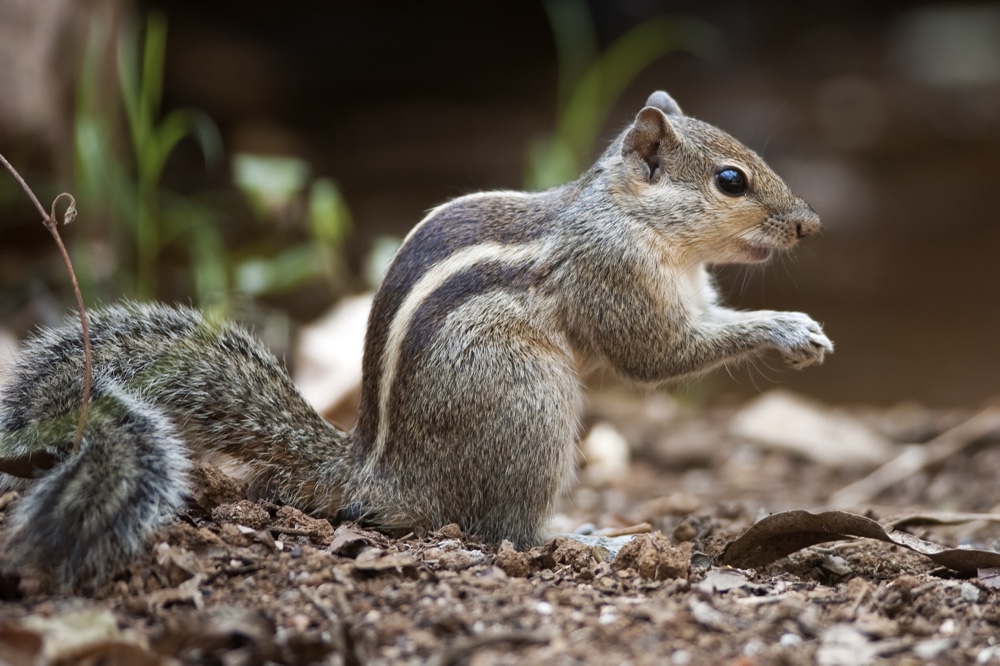
The case of the Indian palm squirrel is a little more surprising. Along with several other species (including fish and birds) these little guys were introduced into Perth in 1898 to make the area more livable for colonists. Almost none of the introduced species survived, but palm squirrels established a thriving colony in the grounds of Perth Zoo.

There they lived for over 100 years, being popular with visitors and a tasty snack for the zoo animals (there are accounts of the squirrels being eaten by monkeys, brolgas and leopards). The squirrels slowly spread out from the zoo into neighboring suburbs, a golf course and a high school and it has been estimated that the colony contained at its peak about 1000 squirrels. Some were even imported east to set up a similar colony in Taronga Zoo (in 1920) but these died out within 50 years due to predation and because the squirrels were frequently caught in the traps set up to control rats.

By all accounts the squirrels in Perth were quite popular – especially at the school – and well known by the locals. But the squirrel was eventually deemed a threat to native wildlife and agriculture, and about a decade ago an eradication program was initiated. This was very successful (apparently they’re easy to catch) and within three years the squirrels were reduced to ‘undetectable levels’

It’s not known if they’re truly extinct in Australia, but if any still live their numbers are likely too small to allow the colony to survive.

So there you have it! Australia did have squirrels, and for over 100 years at that!

Now about the reports of errant ghost kangaroos in the USA…

The Sky Is Falling

Back in July 1979, I feared that I might die because of Skylab falling on me.

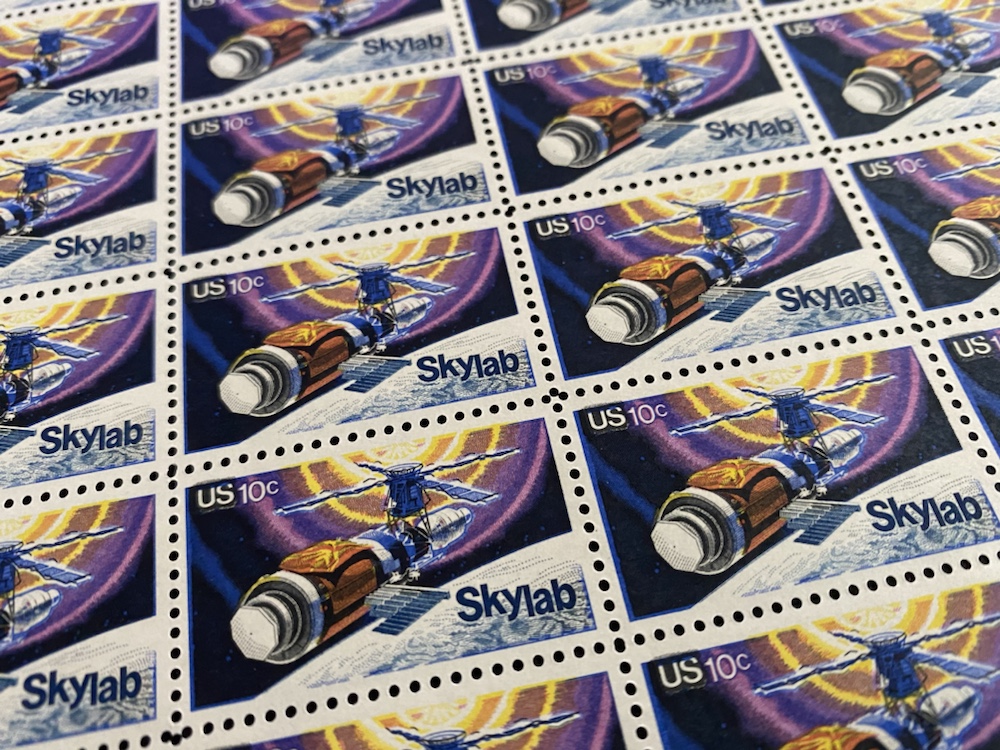
Skylab was the first ‘space station’, built and operated by the USA for 10 months from mid 1973 until early 1974. When the final crew departed they put Skylab into a higher orbit with the intention of leaving it in space until 1983 when the (in development) Space Shuttles could service it. Ultimately nature had other ideas and by 1979 it was clear Skylab would fall to Earth.

NASA’s calculations suggested it would land in the eastern Indian Ocean somewhere. But they didn’t know precisely where or when, and in Australia we were very aware there was a chance it would land smack on us! I can still recall schoolyard doomsayers predicting it could land on someone’s house, and to 7-year old me this was (very briefly) the new big scare to replace King Kong snatching me out of a window one night.

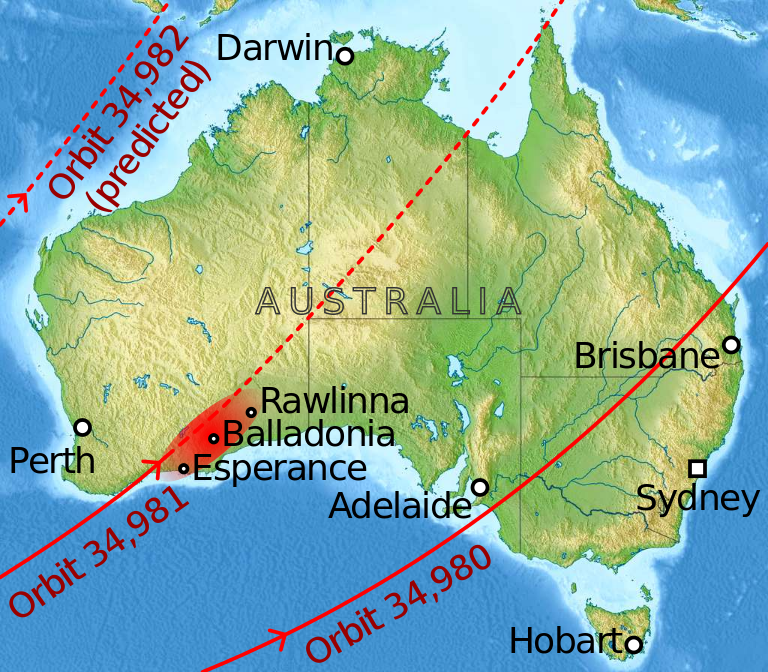
On July 11, 1979, during its 34,981st orbit, NASA made a last minute adjustment to prevent Skylab from falling on the USA. Later that night it entered the atmosphere and while most of it burned up as it fell some parts eventually rained down on remote areas of the western Australian outback.

It didn’t fall on our house, or anyone’s house for that matter. At best it may have given a kangaroo a bit of a start.

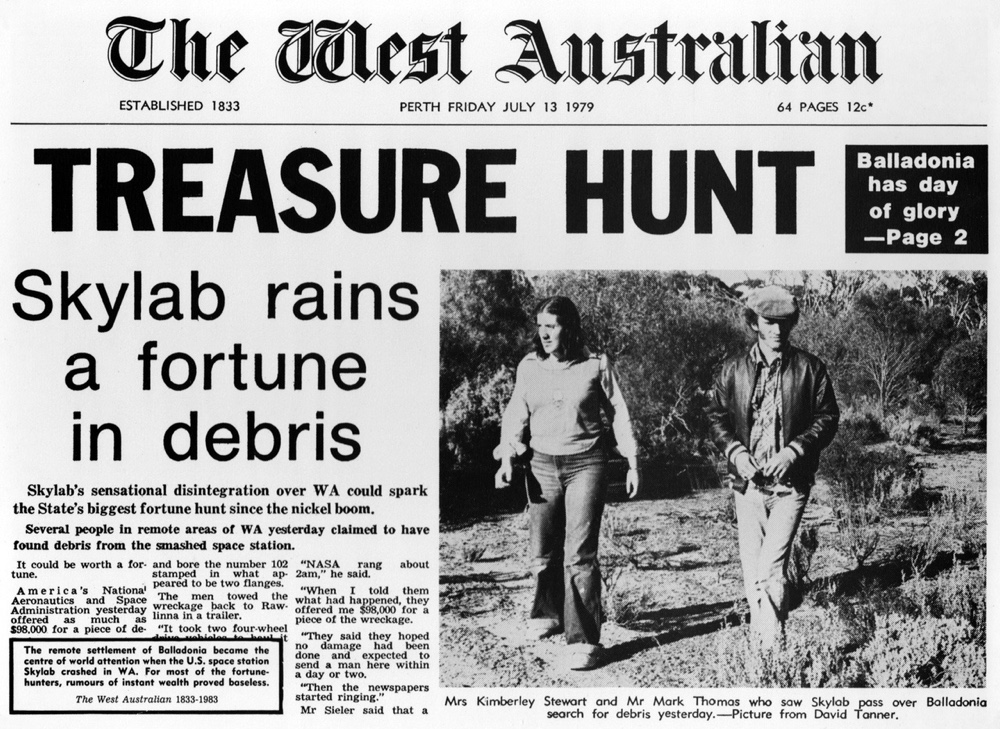
The madness quickly transitioned from ‘Skylab will fall on you!’ to ‘If you find Skylab pieces you’ll be a millionaire!’ and treasure hunters of all stripes descended on the outback to find what remained of the space station.

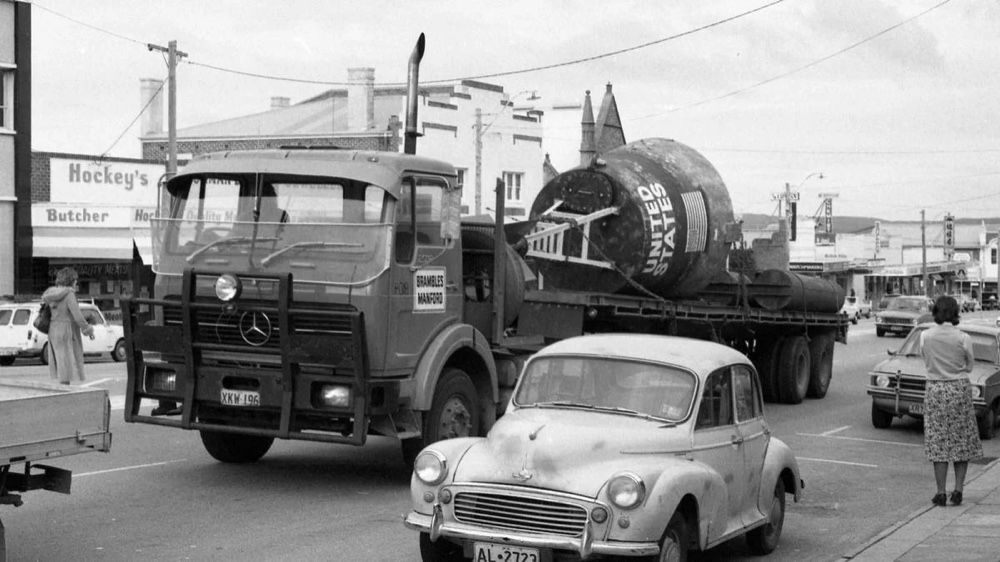
Some were successful, finding many pieces including some very large ones. Much of it is on display now in a museum in the town of Esperance, but some made its way into private collections. While the USA claimed that Skylab was still its property, it never made any attempt to claim debris. Quite the opposite actually: president Carter apologized to Australia and NASA gave memorial plaques to those that found the first pieces of debris!

In the end Skylab was a successful mission, the falling to earth didn’t hurt anyone, and everyone emerged smiling. The world moved on.

There have been many more cases of spacecraft raining down in the years since, and every time it happens (as recently as last week) the media reminds us once again that they might land on our houses! Let’s hope, like Skylab, that when our space trash does fall back to Earth it’s careful enough to land far away from any of us 🙂