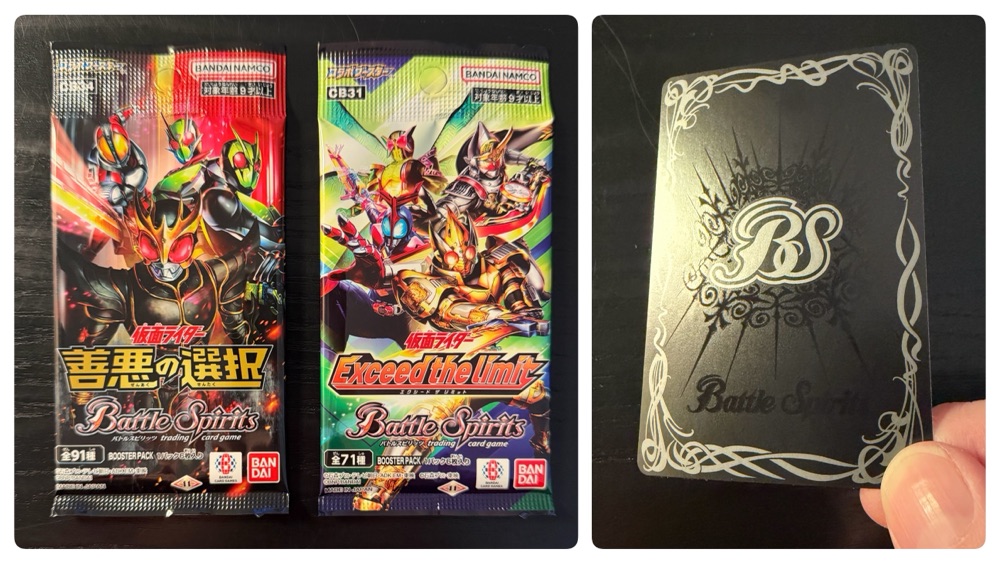
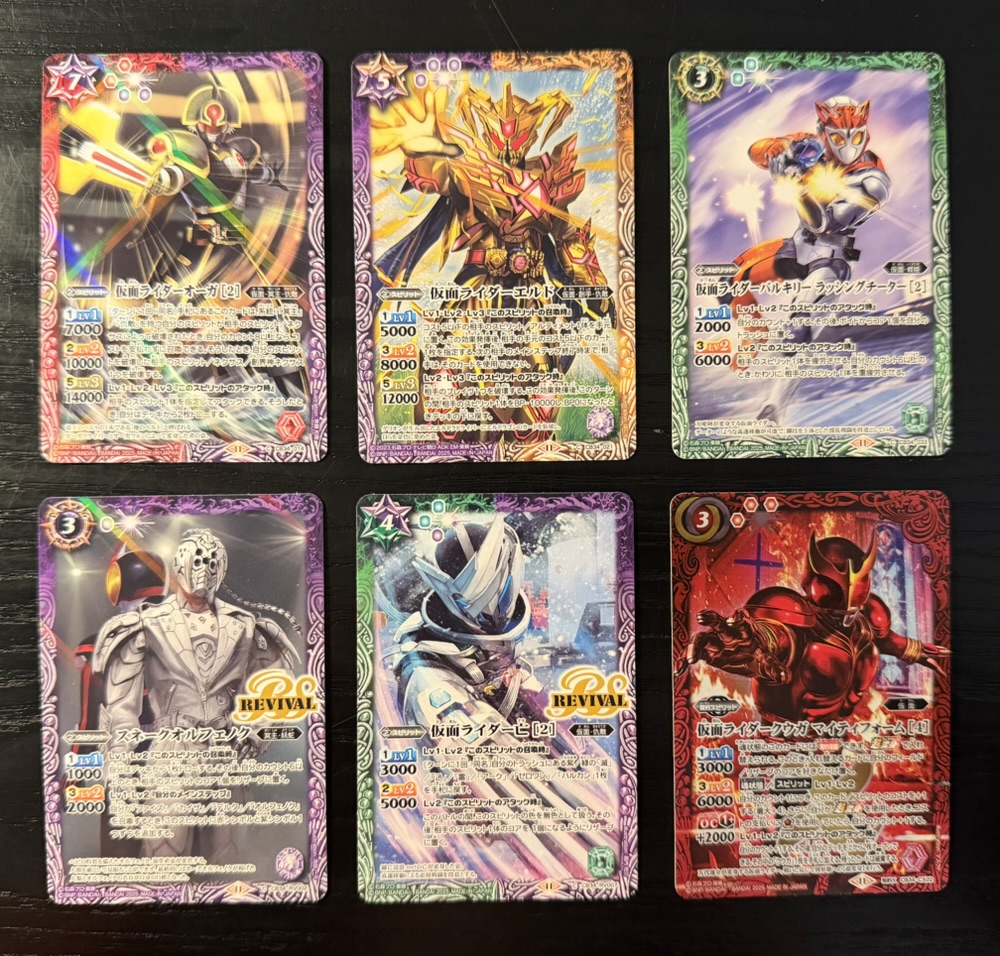
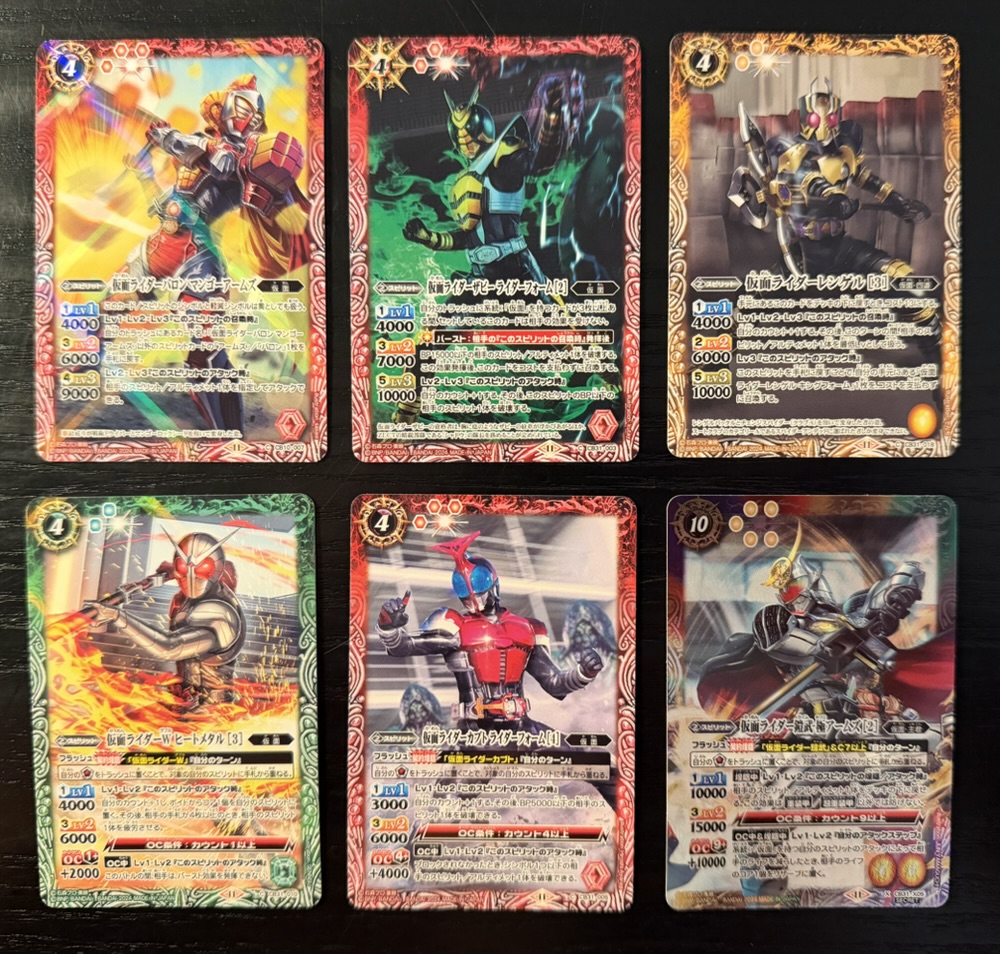
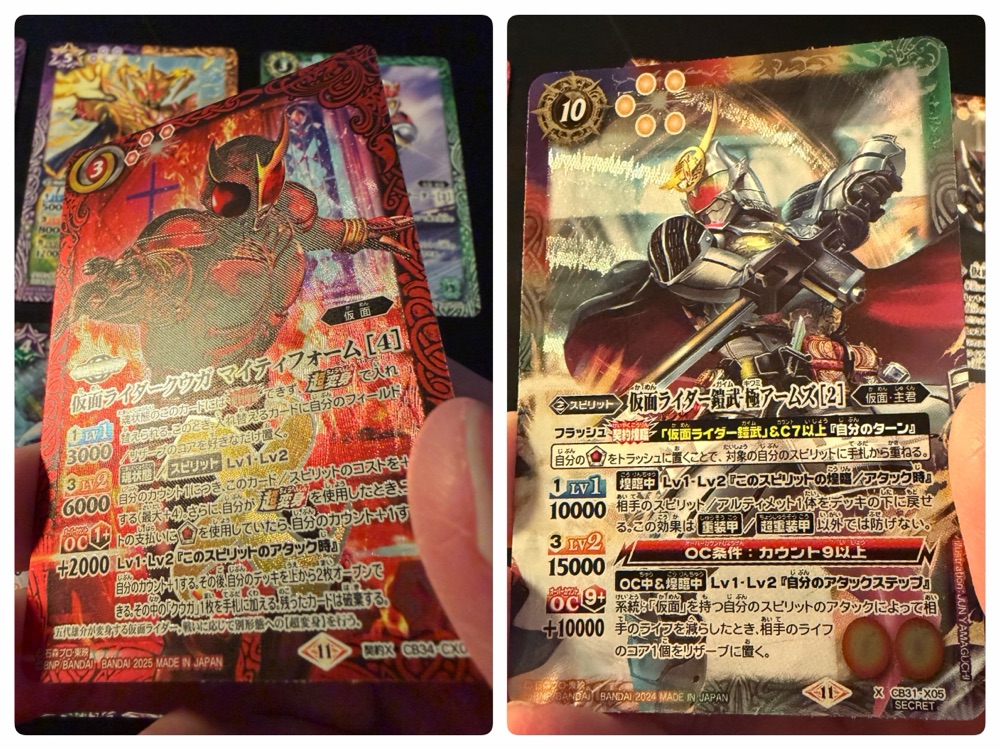
2025 was “the year I got into Kamen Rider” and indeed I did! I invested heavily into DVD sets and started watching the new series as it was released. Here’s the first in a series of my thoughts, presented in the order in which the shows/films were released.
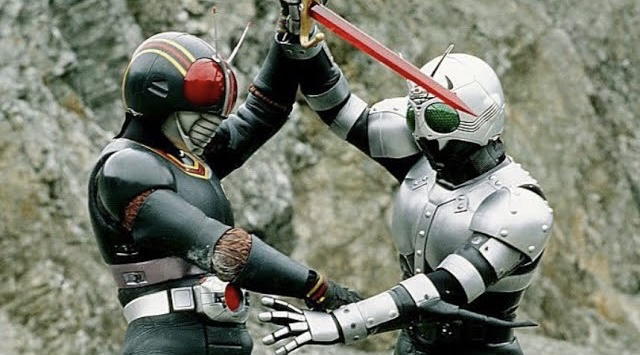
Kamen Rider Black (1987, 51 episodes, 21.5 hours)
The DVD sets I own spanned decades, and for no particular reason I began with this one from 1987. It tells the story of a Japan besieged by an evil group called Gorgom who kidnap two brothers and turn them into cyborgs. One (Kotaro) escapes and becomes ‘Kamen Rider Black’, destined to fight Gorgom to prevent them from destroying the world.
This is a fantastic series! It’s dark and violent with many horror elements and Kotaru’s struggle (as Kamen Rider) against Gorgom seems futile and almost never gives him any respite. The story is insane, with elements like the ‘Century King’, the ‘Sword Saint Bergonia’ arc and the takeover of Gorgom by the evil cyborg ‘Shadow Moon’ but it somehow works and builds toward a superb conclusion.
Many elements of this show reminded me of the classic series Monkey we loved as kids, and of course I already did a blog post about its beautiful closing theme. Black is hailed as one of the greatest Kamen Rider series of all time for good reason, and the only negative about me watching it first was my realization that I may have hit the peak at the very start!
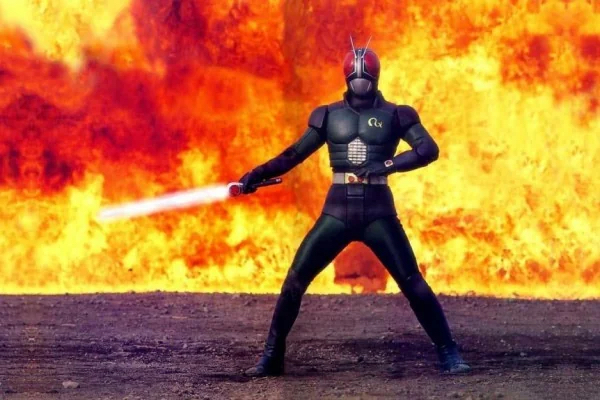
Kamen Rider Black RX (1988, 47 episodes, 19.5 hours)
Black was a success and for the first time in the series history the network wanted a sequel. It was decided to tone down the violence and horror, and add elements to make the sequel more marketable to children. While it has the same actor playing ostensibly the same character, Kamen Rider RX is a very different series.
The cult Gorgom is gone, replaced with an extradimensional invasion from the ‘Crisis Empire’. The bizarre mutant monsters from Black are replaced with robots, and Kotaro is now living with a family and flying helicopters for work! His history fighting Gorgom is given token mention only, and he’s never referred to as a cyborg at any time. Indeed his powers now come from the sun!
While this is undeniably inferior to Black, I still greatly enjoyed RX. The fight scenes are great, and Kotaro still struggles against a vastly more resourceful foe. But he’s received many upgrades, and the lightsaber effect of his ‘Revolcane’ sword in particular is too-good for TV circa 1988.
The show struggled during its airing, and this is apparent with some tonal shifts (they introduce Shadow Moon and even 10 older Riders to lure back viewers) and even though it gets increasingly goofy (adding sidekicks like a token ‘psychic girl’) it never lost its charm for me.
RX was the last Kamen Rider produced during the Showa Era and it would be more than a decade before another TV series would be made. During that period three films were released:
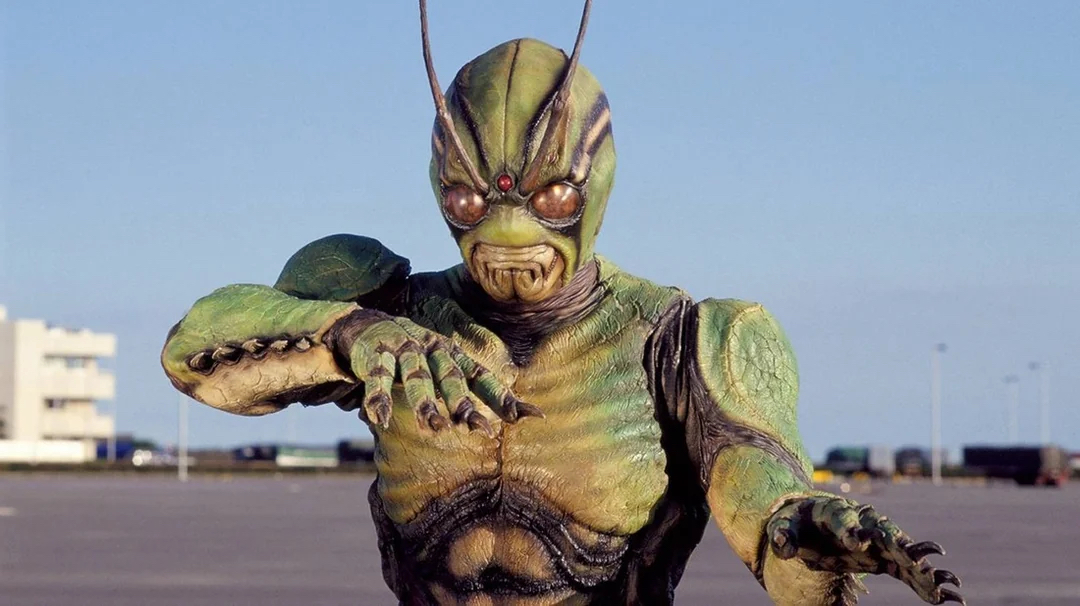
Shin: Kamen Rider Prologue (1992, 1.5 hours)
This is an unusual addition to the franchise, and one of the few Kamen Rider shows where the rider himself is biological rather than cybernetic. The story is that a mysterious group (‘The Syndicate’) is creating soldiers by fusing humans with grasshoppers, and one of their creations manages to escape and thwart their plans. I’ve extrapolated a bit there, since motivations and intents are a bit lost in the script, and overall the story is a bit muddled.
This is a horror film, with not only the villian but also very much the Rider himself being grotesque. There’s a very Cronenbergian feeling to the film, with lots of violence and a shocking (for this franchise) amount of blood. It’s not (close to) great, and I’m not even sure I’d say it’s good – mostly because I don’t like the Rider design – but it was entertaining regardless.
Apparently this was intended as a sort of pilot for a series or film sequel, but was not successful enough for either. As such, it remains a strange oddity in the larger franchise.
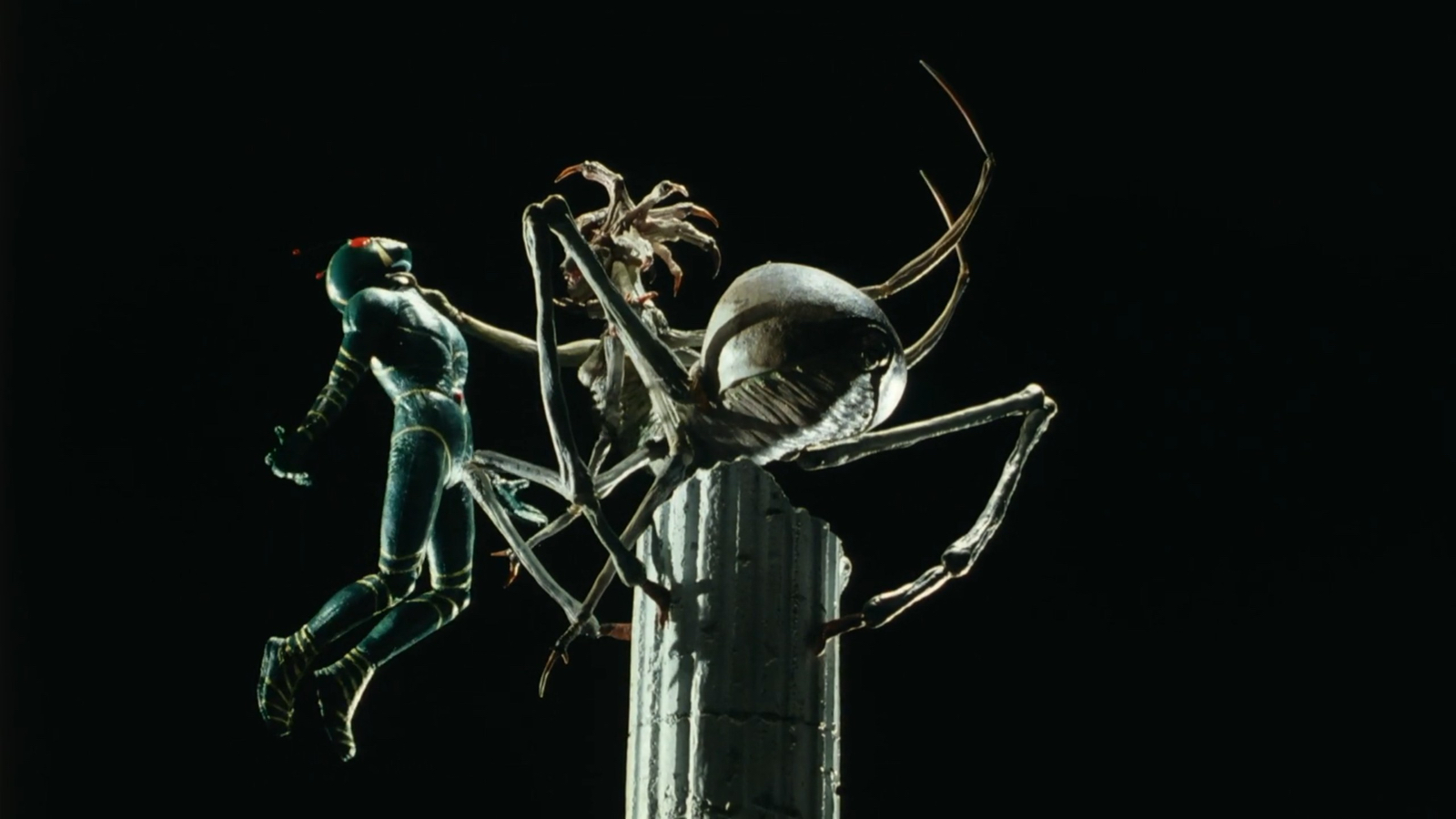
Kamen Rider ZO (1993, 1 hour)
This second film was released a year later and the story is even more barebones than the previous. Once again we have a hero becoming a Rider after a scientist grafts grasshopper DNA into him, but his fight to protect a child from the evil ‘Neo-life form’ named Doras raises more questions than it answers.
Regardless, this is a stylish film of near-endless action scenes where ZO faces off against several monstrous threats brought to life with clever use of practical effects and stop motion. The spider creature in particular is extremely well done even today and would have been a real thrill back when the film was released. While short, this was a fun watch.
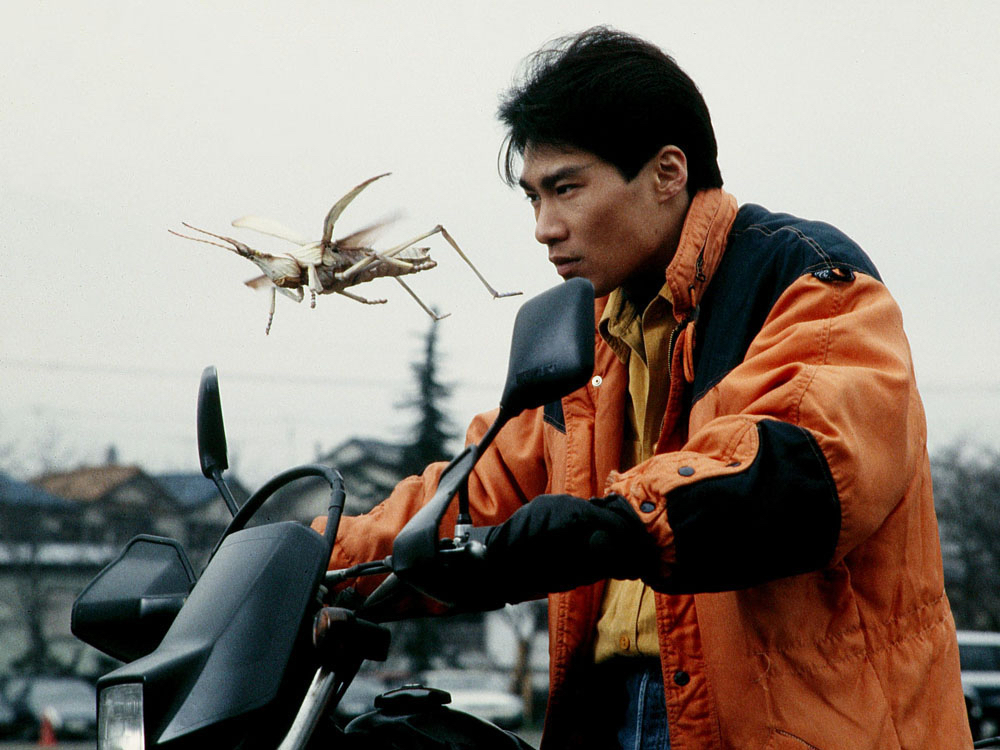
Kamen Rider J (1994, 1 hour)
The next year we saw yet another new short film, and this one is very similar to ZO from the previous year. The origin story now is that our hero is killed defending a young girl from a space entity named ‘Fog Mother’ and is promptly resurrected by ‘The Spirits Of The Earth’ into Kamen Rider J, who must save the world from ruin.
There’s lots to like here, from the extremely impressive creature suits to the fight scenes to the stop-motion cute sidekick ‘Berry’ the grasshopper! Toward the end it even gets a bit too close to Ultraman when J becomes massive to fight the gigantic Fog Mother. Another fun film.
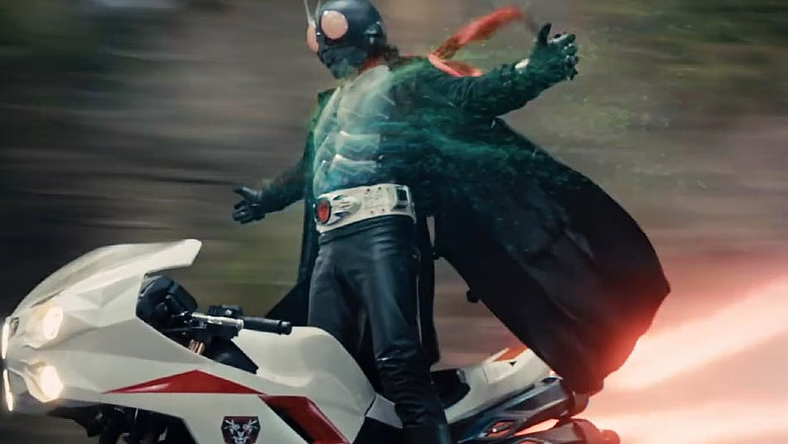
Shin Kamen Rider (2023, 51 episodes, 2 hours)
This is the third in the series of tokusatsu films made by Hideaki Anno and given the two previous were Shin Godzilla and Shin Ultraman (my favourite film of all time) I had high hopes to say the least.
It’s a retelling of the original Kamen Rider premise: an evil organization named Shocker is creating mutant/cyborg hybrids to take over the world, and a lone hero – Kamen Rider – fights to stop them. There’s a lot more to it than this of course, including the usual Anno weirdness, but this is a film that asks the viewer to turn off their brain and just sit back and enjoy the ride.
And what a ride it is. This is crazy and weird and wonderful and in my opinion a successful reimagining of the franchise in a way respectful of both experienced and unfamiliar audiences. It was a success theatrically, although rumours of a sequel seem to have amounted to nothing so far. This one is free on Amazon Prime if you haven’t seen it.
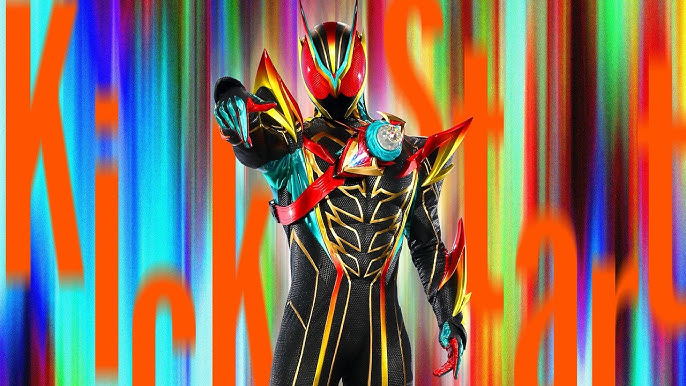
Kamen Rider Zeztz (2025, 34+ episodes, 13+ hours)
This is the latest Kamen Rider series and is currently screening (for free) on YouTube weekly. The gap between current franchise entries and the Showa series I’ve already seen is immense, but – much like Ultraman – the same DNA is there and this is still recognizably Kamen Rider.
This time the hero assumes the role of a secret agent in his dreams, and can transform into a powerful hero called ‘Zeztz’ to fight various evildoers. I’m 34 episodes in and loving this show for its characters and stylish visuals and genuinely impressive storytelling. When – more than twenty episodes in – the show revealed everything that had already happened was (spoiler) one lengthy dream I was genuinely surprised! I’m looking forward to buying some Zeztz merchandise during my upcoming Japan trip 🙂
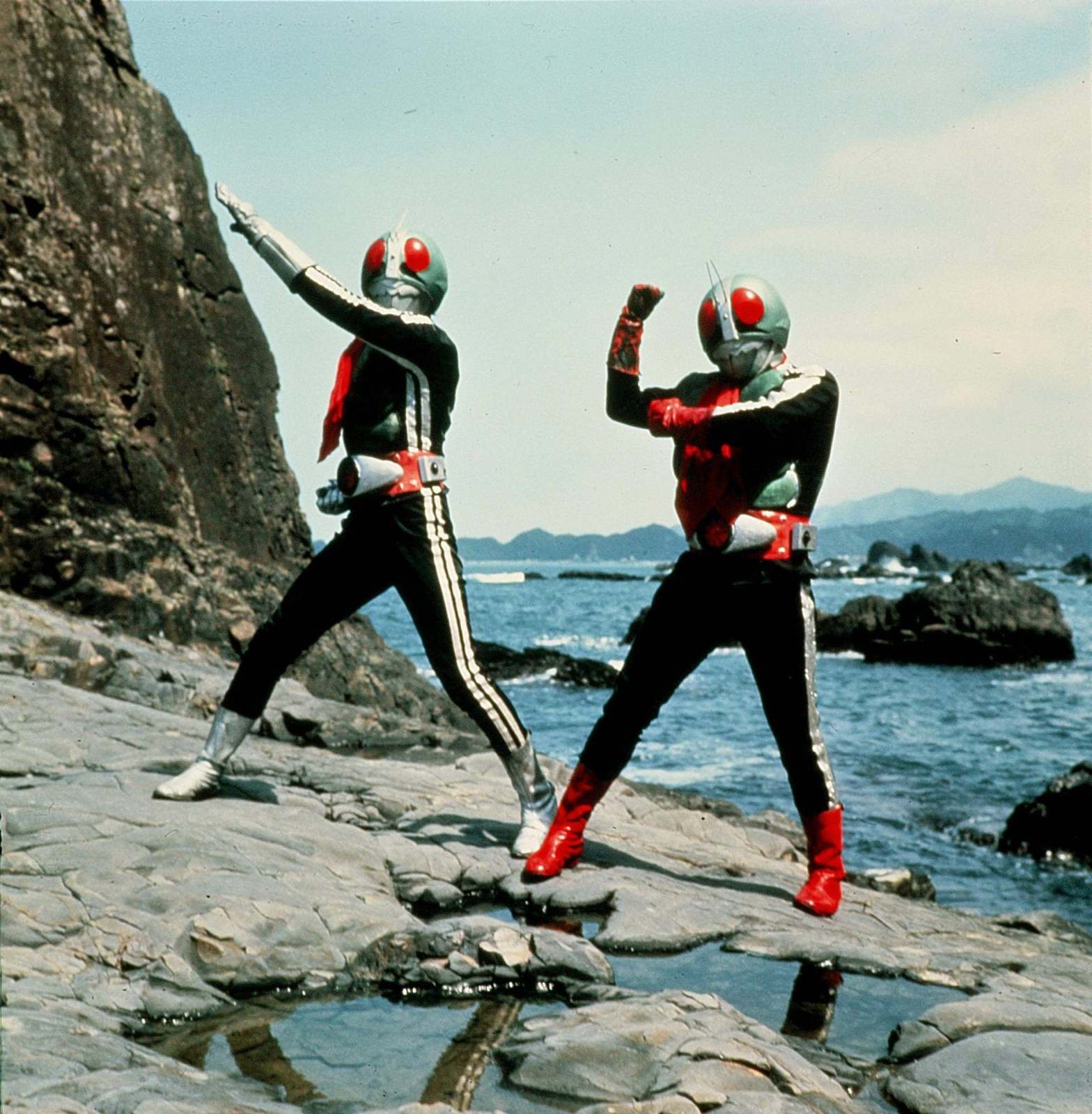
Nearly 60 hours in and I’ve only just started with this decades-old franchise. I won’t be stopping! And yes, I’m still watching Ultraman and I’ve already got a decent DVD collection of old Metal Heroes series as well 😉