Category: History

My Collection: Game Boy Advance

The Game Boy Advance (GBA) was Nintendo’s follow up to the massively successful Game Boy handheld console, and would continue to cement their dominance in the handheld market. The GBA sold over 80 million units in its lifetime, and is fondly remembered as a fantastic handheld with a very strong game library.

The GBA was released in Japan in March 2001. My first GBA was a Japanese version (in the milky pinky color) that I bought via my Working Designs connections in April, but I didn’t buy any games for it until the US release in June. I initially used it just to play Game Boy games since it was reverse compatible, and I expect when I got my first GBA game I was astonished at how good it was.
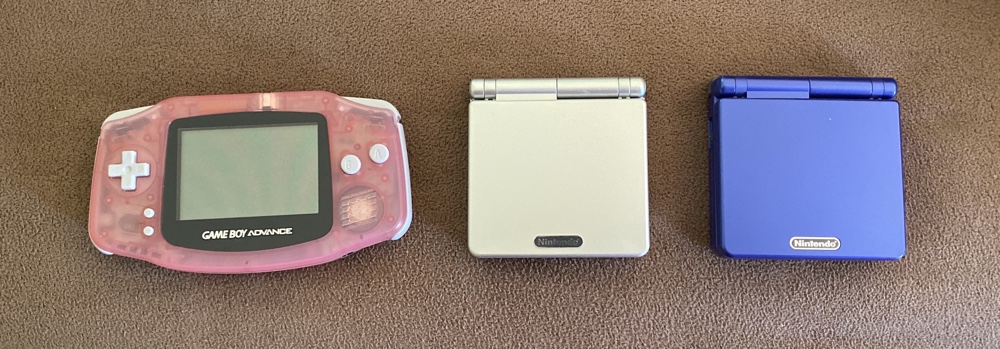
That’s my first model on the left, next to two Game Boy Advance SP units (both bought in 2003). The SP update was a landmark in design and is the obvious precursor of the DS. While the initial GBA model lacked a backlit screen and used AA batteries, the SP was rechargeable and had a fully backlit screen. In its day the SP was incredible.

In total I’d own five GBA’s; the three above, a second launch model traded in when the SP was released, and this:
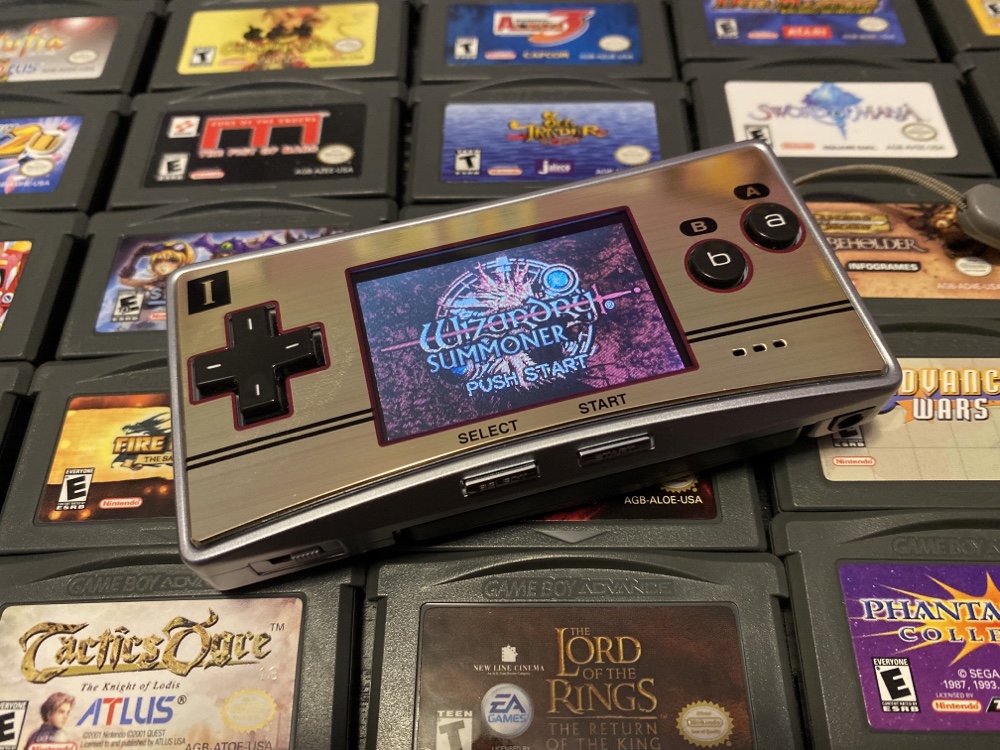
That’s the GBA Micro released in 2005. It’s tiny and can’t play original Game Boy games, but it has an amazing screen, massive battery life and is the most portable handheld console ever made. It also failed since consumers had already moved on to the DS, and GBA Micro’s are worth a pretty penny these days.
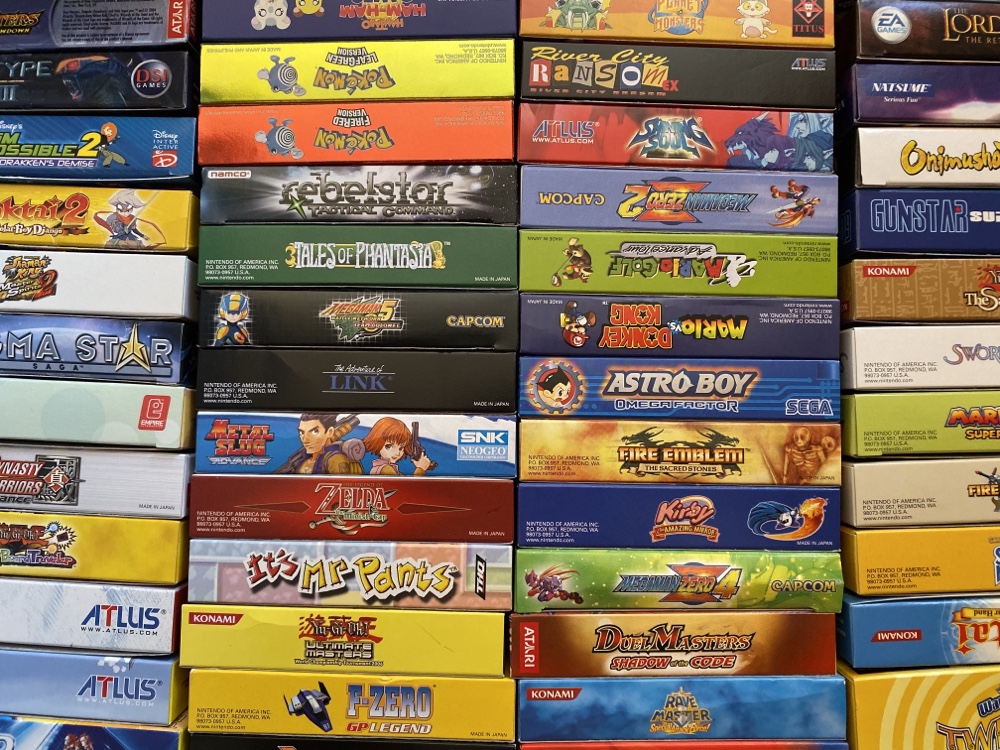
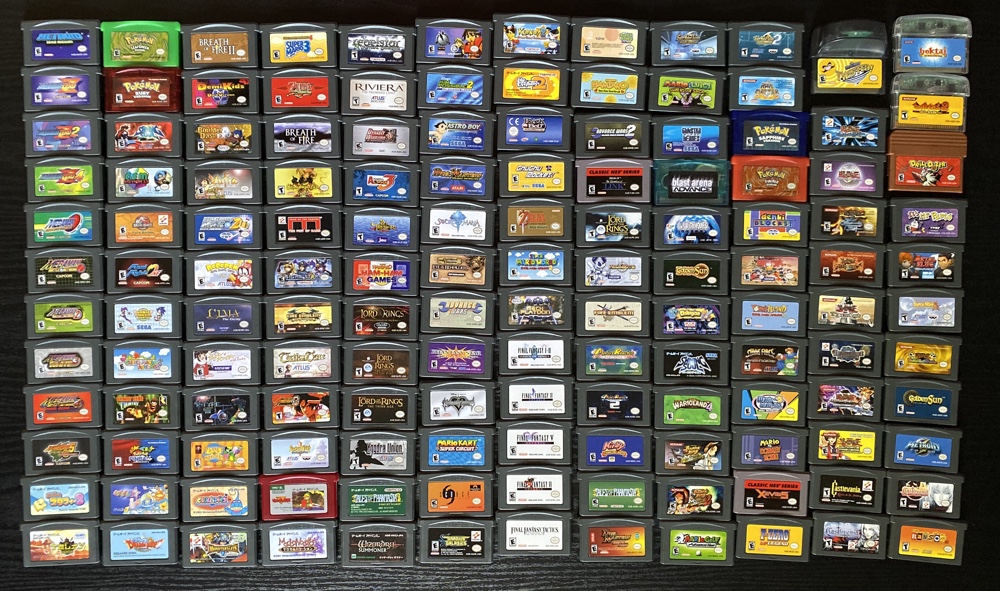
All told I bought about 150 GBA games during its lifetime, and still own 145 of them. I took almost all of them out for a look today and here they are:
As I said the game library of the GBA contained some true masterpieces. At the same time though it contained the usual shovelware for kids, and of the >1500 games released for it I’d say easily 1000 are forgettable. But when the games were good they were exceptionally good, and you can bet I owned and played most of those. Some highlights from my collection:
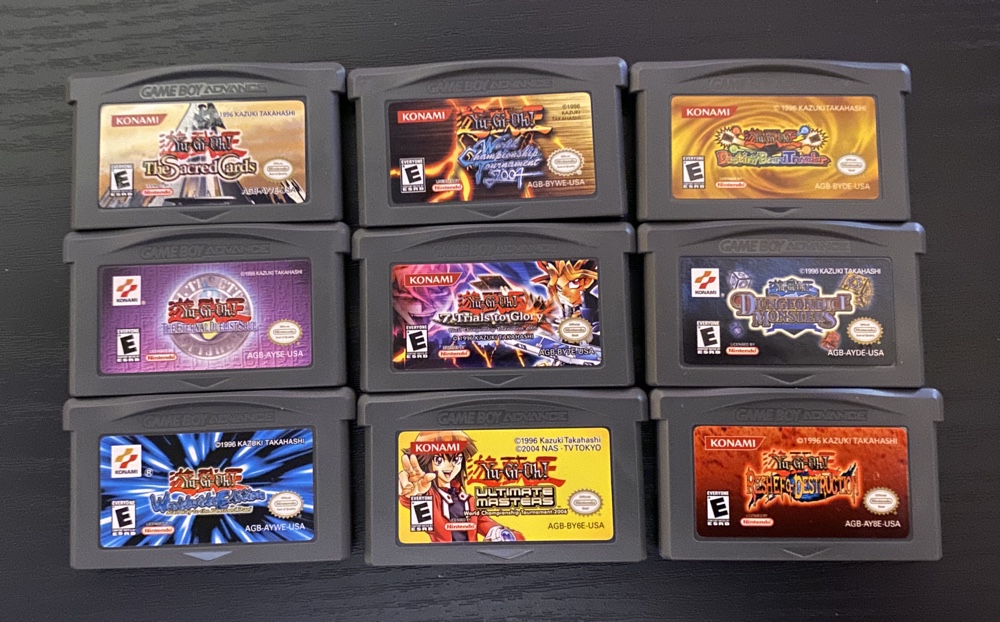
There were lots of Yu-Gi-Oh games released for the system, and not all were translated. But the average quality of the nine that were is extremely high, and by the latter games we were getting annual installments of a very well done simulation of the TCG that featured well over 1000 cards, strong AI and robust story modes. I played these religiously, and always wondered why we never got equally good MTG games?
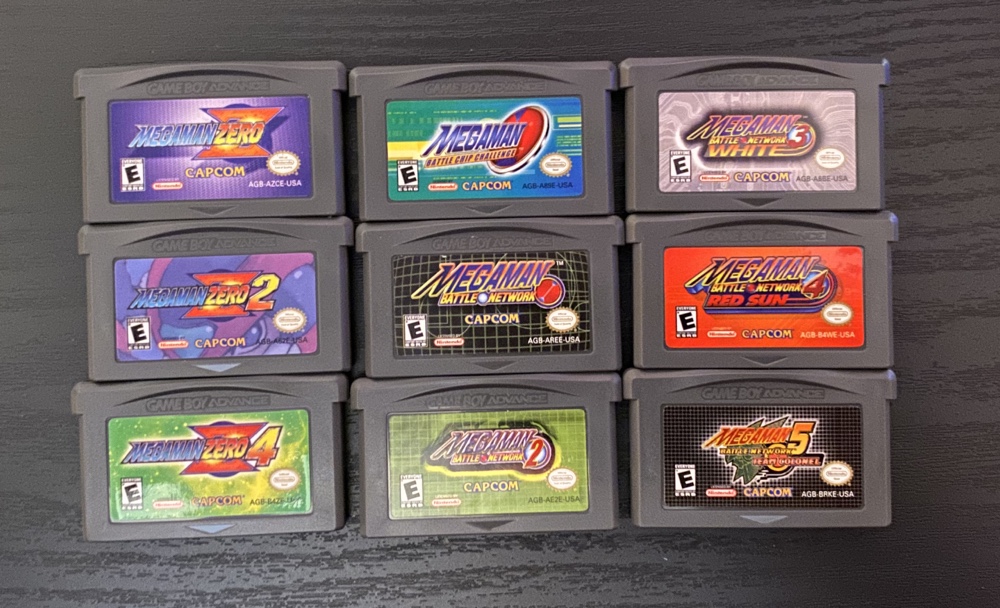
Megaman continued onto the GBA in the Zero series (which is great) but the original-to-the-system Battle Network series was a great hybrid of action and card game that improved with each of the six installments. I bought them all, and in fact the last game I ever bought for the system was this:
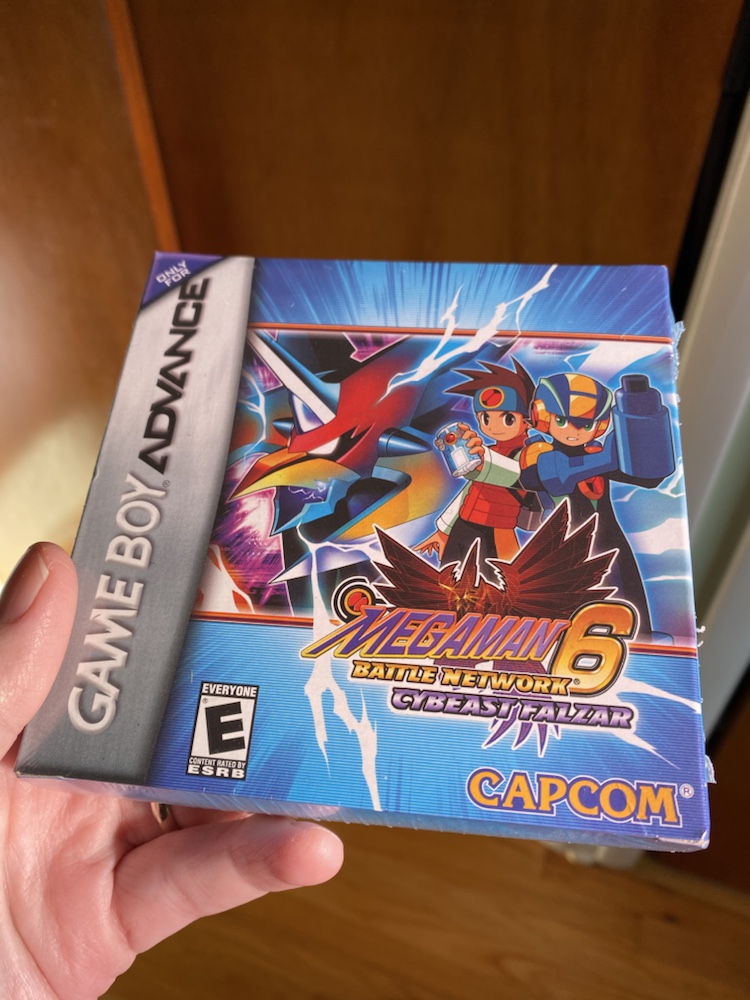
Yes I never opened it! I wonder what it’s worth these days?
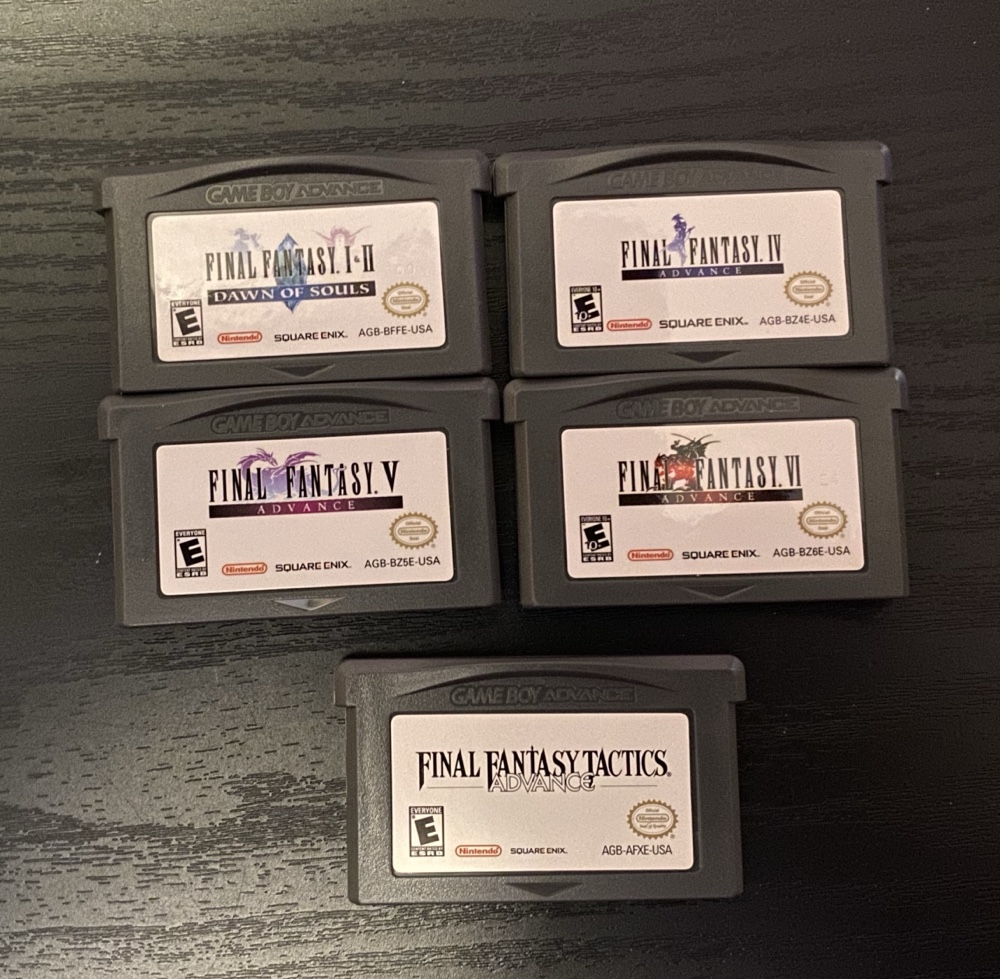
The GBA was very similar to the SNES as a console and many games were ported over including most of the Final Fantasy series. Since FFVI is one of my favorite games of all time, it’s unsurprising I consider this one of the gems of the system,
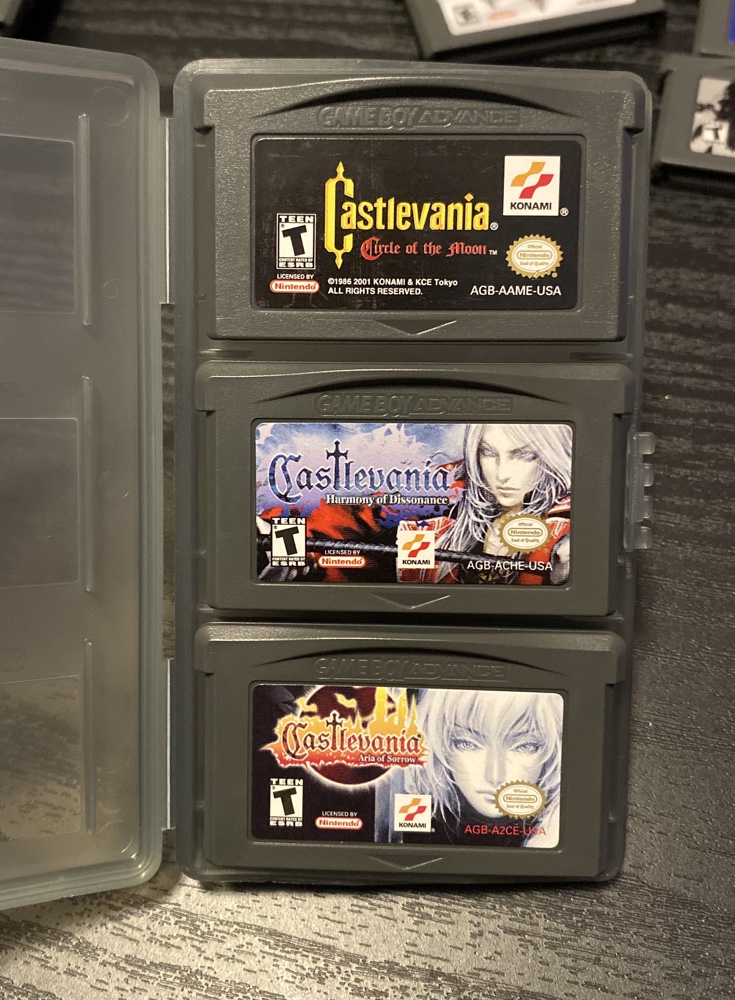
And speaking of gems, it’s difficult to say which of the three Castlevania games for the GBA is best since they’re all incredibly great. So great in fact I’d say these are collectively the top three GBA games, and a must-own for any serious GBA collection. (Sadly they’re all very expensive these days; and if you want boxed copies of all three expect to pay $500+)
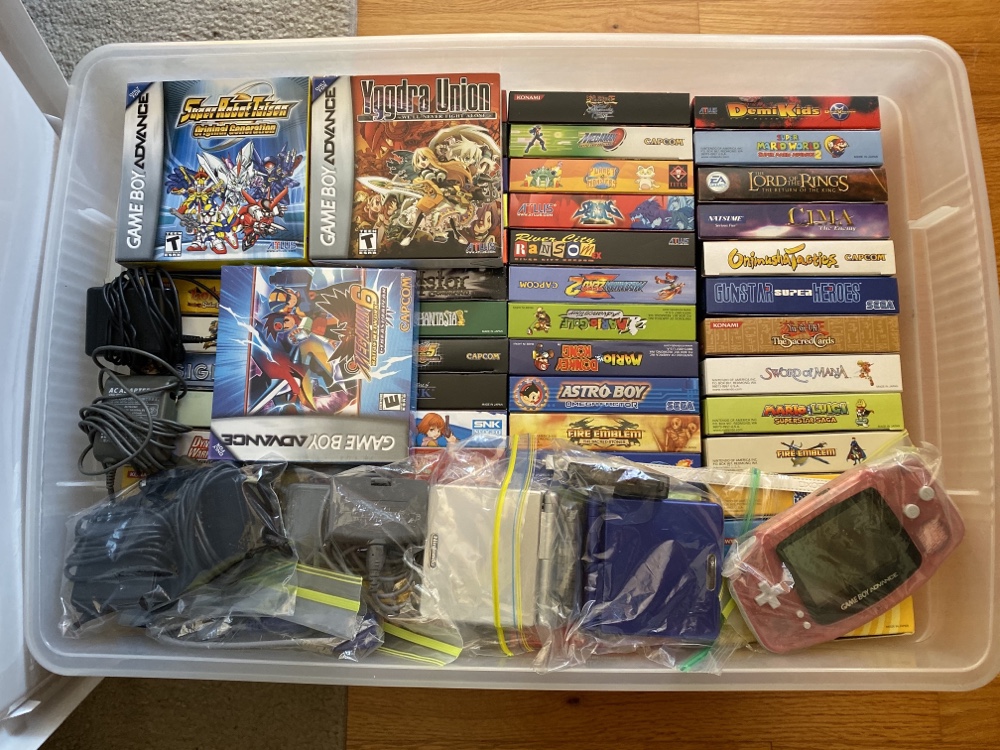
Speaking of serious collections, I suspect my GBA collection represents a good chunk of the value of my total collection these days. For starters the system features some very good games that suffered from poor marketing or distribution (most of which I own), and for seconds most people in those days trashed the boxes and just kept the cartridges (but not me). This means I own in near mint condition quite a few games that cost me ~$20-30 almost 20 years ago that are worth quite a lot more now.

In fact almost every game I own seems to be worth more than I paid for it and some much more (one game is >$500). I doubt I’ll ever sell though; the GBA is absolutely one of my favorite consoles of all time and there’s a lot of memories in these games.

As you may know the GBA was replaced in late 2004 by the Nintendo DS and the last piece of GBA software I bought was in 2006. It only reigned for five years, but in its day the GBA was nearly perfect 🙂
The Early Days

In the last year I’ve added a few interesting games to my collection. They’ve come from various sources, but they’ve all been ‘rebuys’ of games I used to own back in my youth.

Even though I can’t actually run any of this software, the nostalgia value for me is high. I’ll cover them in reverse historical order…

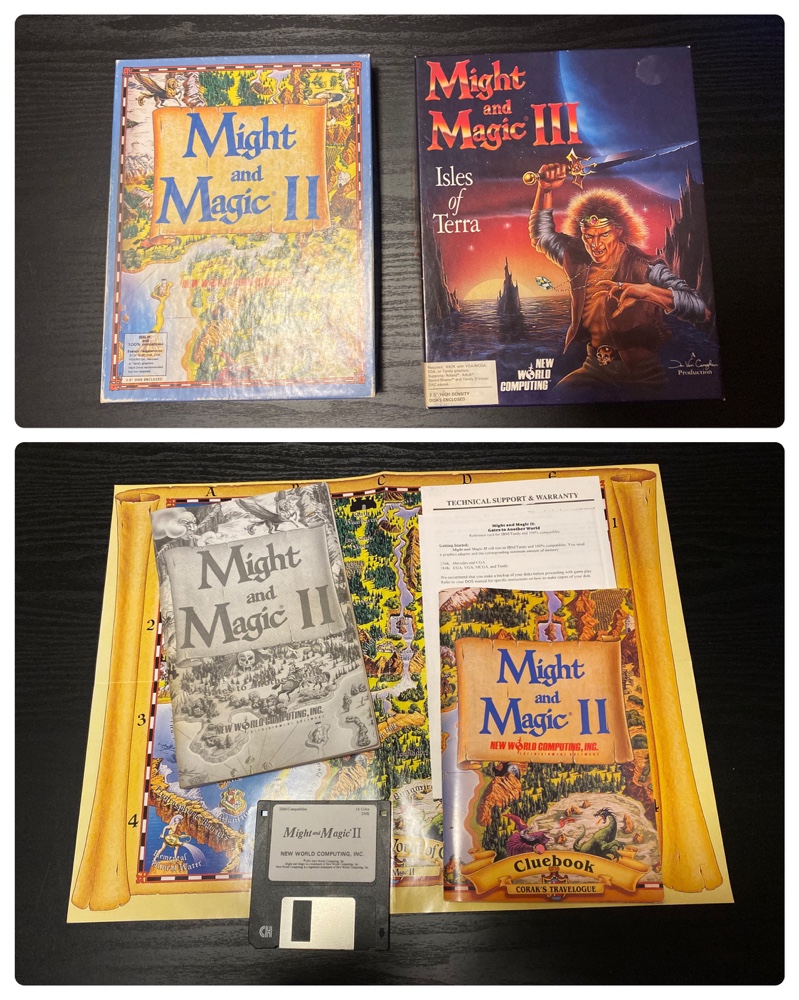
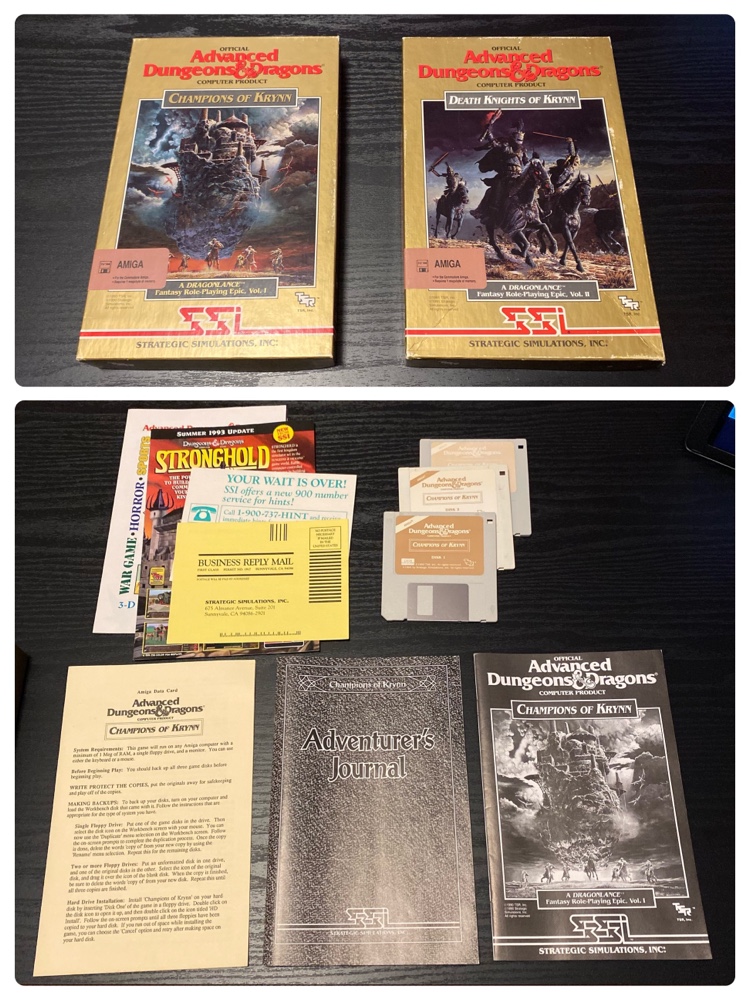
The above two were purchased at a local comic show about a year ago, and I paid a mere $2 each for them. The seller had even more, including the second Xeen game and some early Heroes of Might and Magic titles, but none in as good condition as the above.

I bought Might and Magic 3 back in 1991 when it was first released, and it was amongst the first boxed PC games I ever bought. I recall loving it at the time and (probably) testing Bernards patience by how much time I spent using his computer! I’d been a fan of the series beforehand, and had played the first two in pirated form, and was pleased to own the latest iteration. I continued playing the series well into the Heroes offshoots, and once arriving in the US had a great time replying MM2 on an Apple and then the Genesis, as well as the NES and SNES versions. A great and important RPG series.

The SSI ‘gold box’ series of AD&D computer games were amongst the more important and influential RPG games of the late 1980s and early 1990s. Tabletop RPG fans had been dreaming of computer versions of their favorite game for years and SSI delivered in spades. Starting with Pool Of Radiance in 1988 there were many games (and spinoffs) in the series and I played them all! I recall particularly enjoying the Krynn titles, including the two above, the Amiga versions of which were given to me with an Amiga 500 by a colleague.

In fact the gold box was one game series that spanned the shift to the USA, since I even purchased Unlimited Adventures for Macintosh after moving here and wrote – and somehow put online in those very early days – my own ‘module’ called Dead Swamp Destiny (for which I even designed the enemy sprites!). Ah I wish I could load that up and post screenshots to this blog today 🙂

The gold box series is now long dead, but the basic game design lives on in countless tactical games still going strong today (such as the Fire Emblem series). But I’ll always remember the series as one of my favorite of all time.

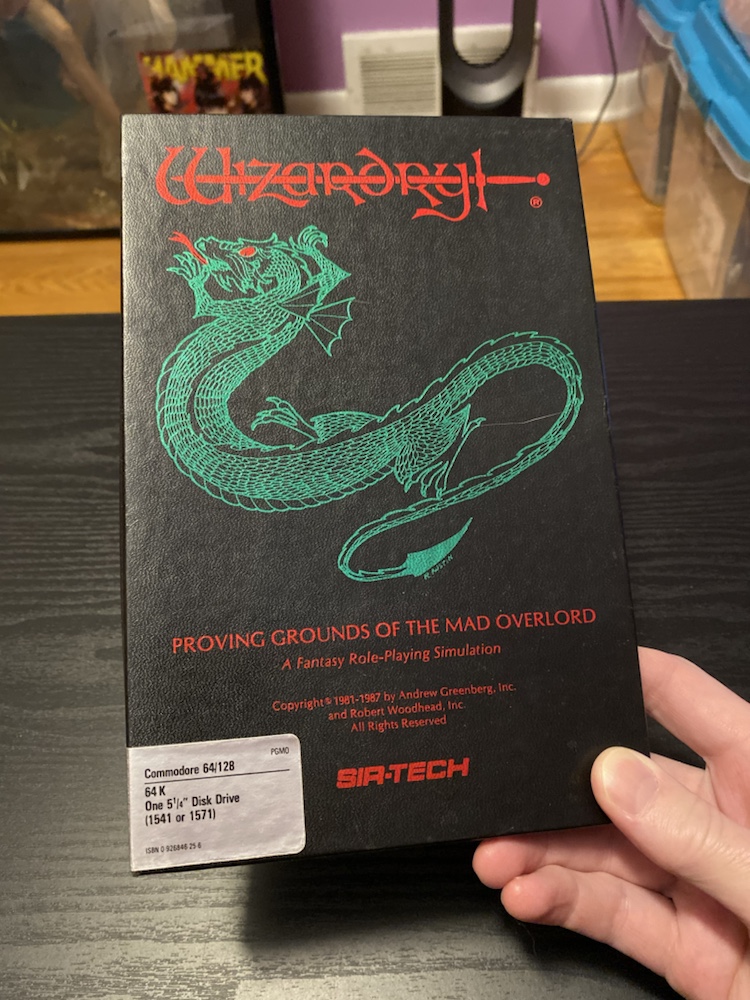
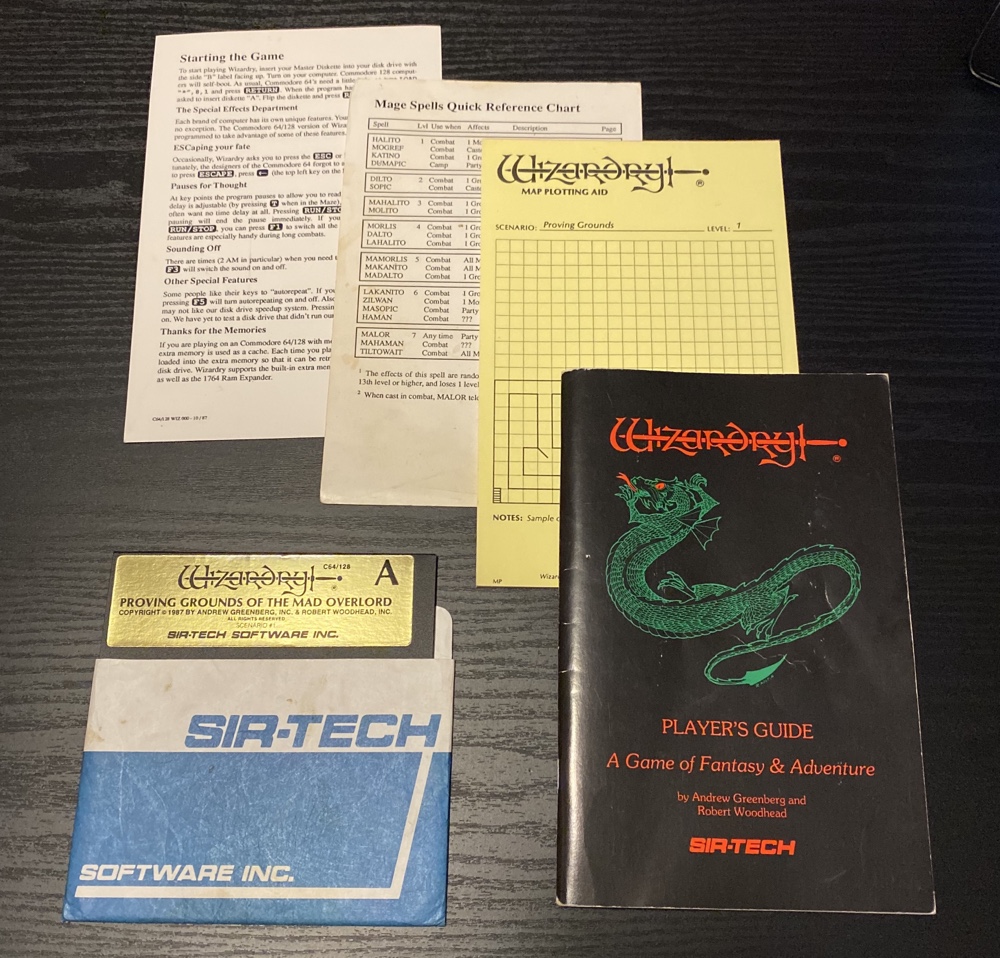
And speaking of favorites, the above is the 1987 USC64/128 release of the original Wizardry (which first came out in 1981). I bought this copy earlier this year for $40.

As you can see it’s complete and in amazing condition. Does the disc work? I’ll likely never know, but I couldn’t resist this piece of history. Wizardry isn’t just an important game to my personal gaming history, it’s one of the most important games ever released, and has gone on to directly influence the design of many other juggernaut game series including Final Fantasy and Dragon Quest.

I’ve got a collection of many Wizardry titles for seven or eight systems and many spinoff games (the series and its variants is still going strong in Japan) and the ‘dungeon crawl’ is to this day one of my favorite game styles. Over my decades many a long hour has been lost in the labyrinthine mazes of the Wizardry series, and I hope many are still yet to be lost in my future…

My Collection: Saturn

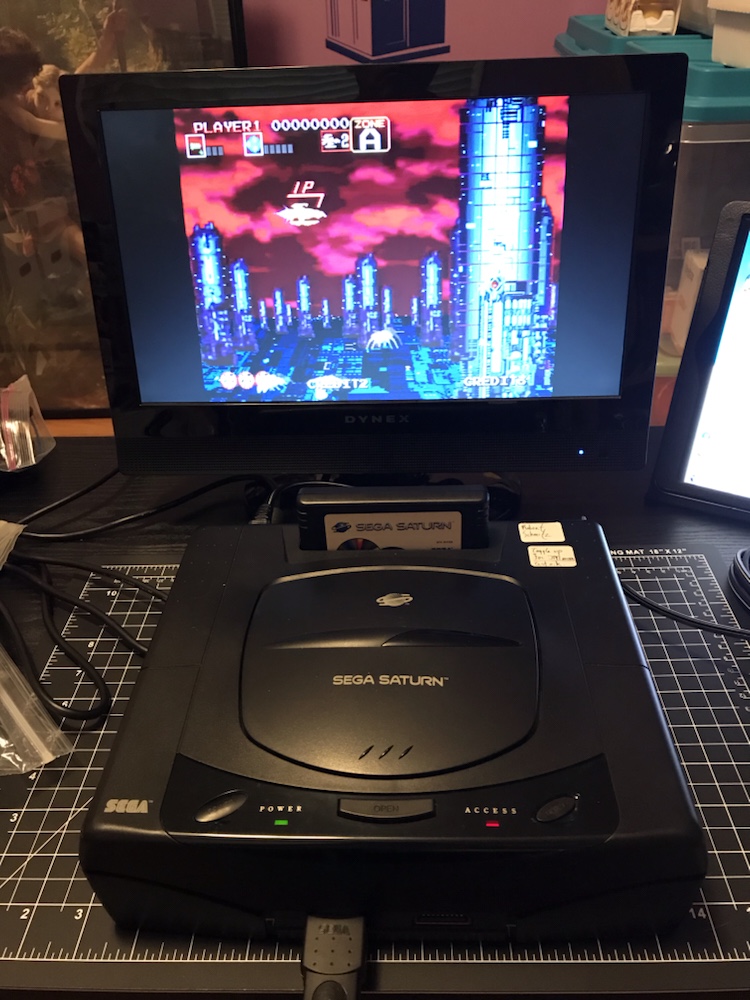
In late 1994 Sega of Japan launched the Saturn console, their long-awaited followup to the Megadrive. Sega was starting to struggle in the market after the failure of the Sega-CD and 32X addons, and their hope was the Saturn would fight off the looming threat of Sony’s entrance into the home console market. As history now tells us, it didn’t.

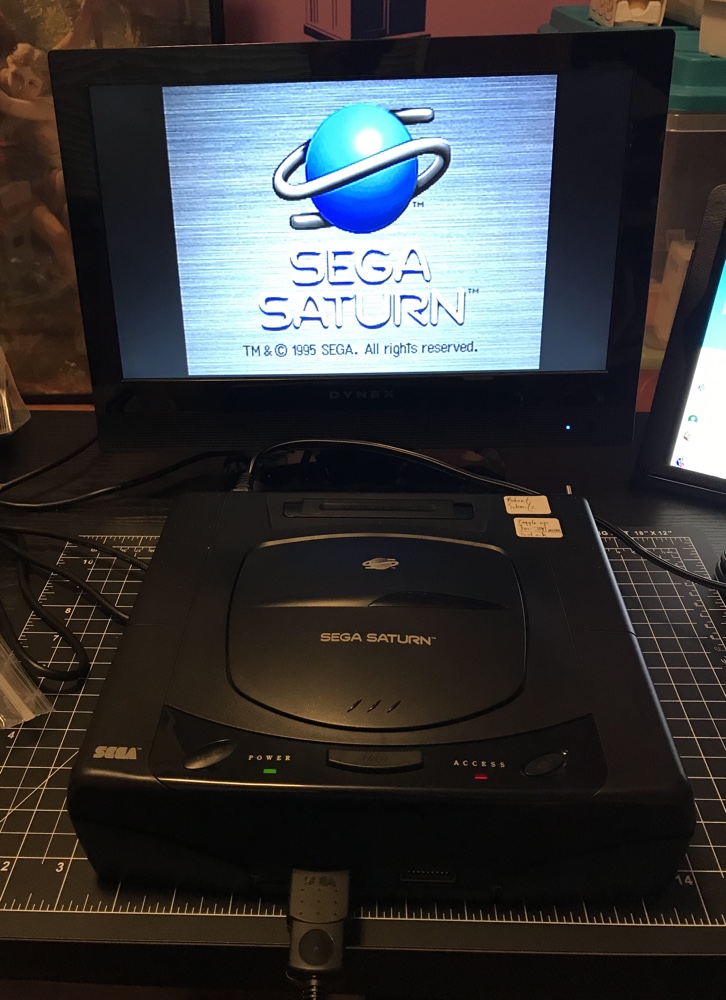
I bought my Saturn on the day of US launch: May 11 1995. Famously Sega launched ‘early’ with only one day advance notice and while I was planning on buying a Saturn I never expected I’d have it in my house several months before the originally stated launch date. As we now know the early launched failed: there weren’t enough compelling games ready and consumers weren’t interested.

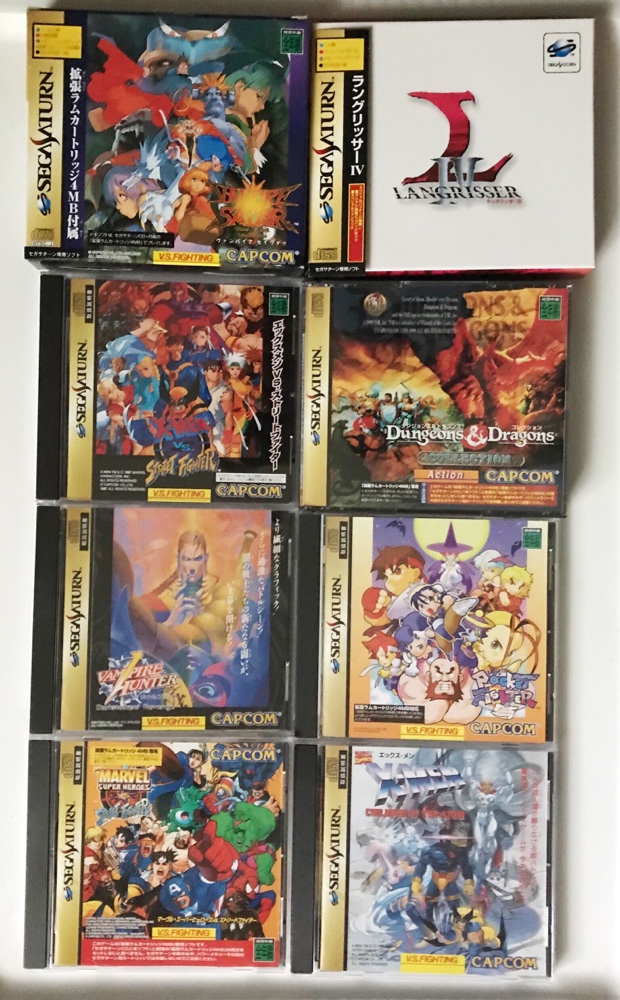
But I loved the Saturn. Mostly this was for the very reason it failed: the Saturn was a machine that was very poor at 3D graphics, but very good at 2D. This meant it got all the ports of Capcom arcade fighters, which I greatly enjoyed back then. For me therefore, the Saturn was an arcade in my home.

That’s a portion of my collection. I quickly got my Saturn modified to play Japanese games and it became my intro to ‘import gaming’. I played the hell out of the above, and loved them all.

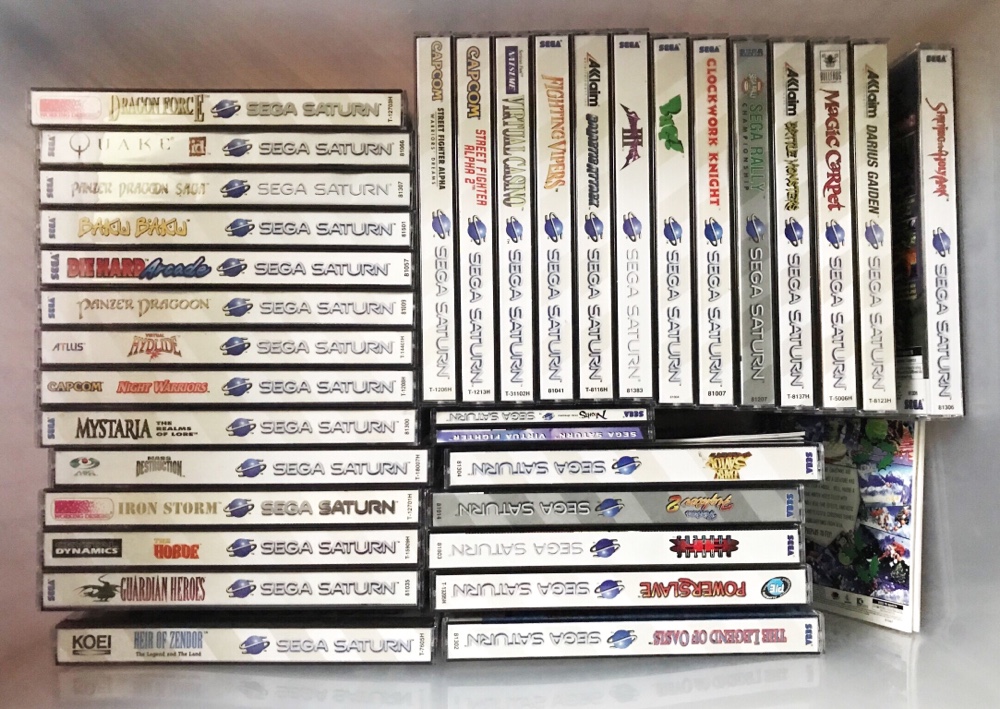
That’s the remainder of my current collection, and back in the day I had more but traded some in during the late 90s. I bought more games for my Saturn than for any other non-Nintendo system.

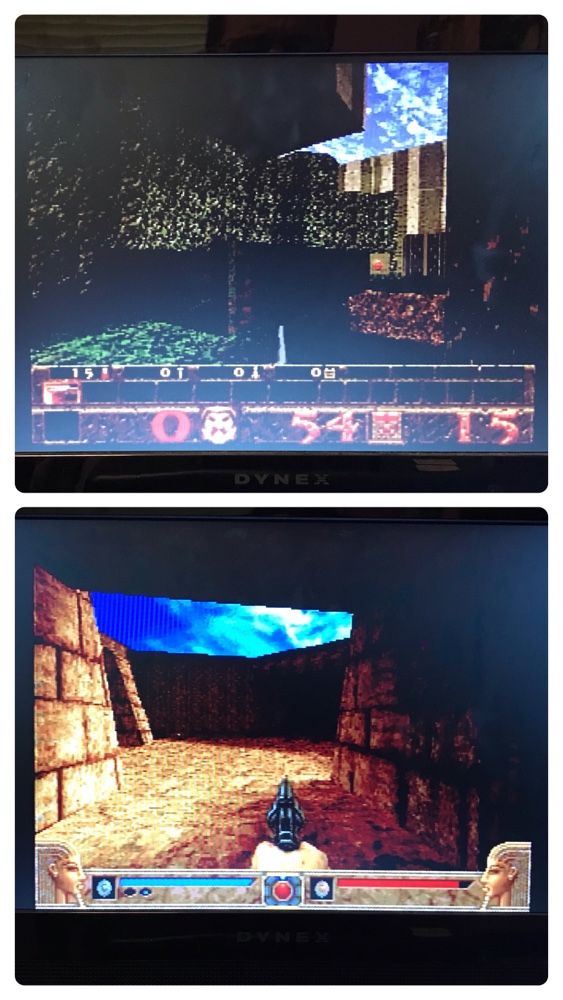
And it wasn’t just 2D fighters. The above show Quake and an Egyptian turned FPS called Powerslave which is easily the better game. I also bought driving games, puzzle games, RPGs (alas not enough were released) and all sorts of other weird games (such as a horse racing simulator). During the failing days of the system I bought just about anything I saw for cheap, which was often as little as $5 brand new! I didn’t want to see this console die.

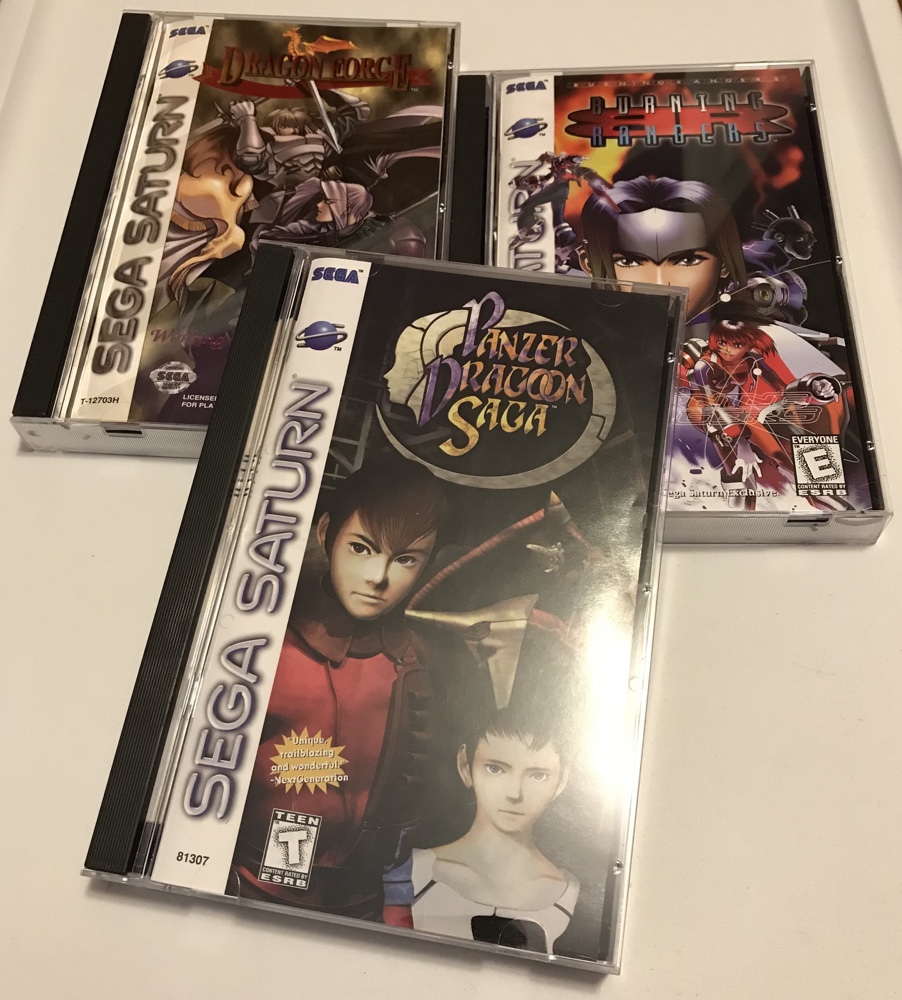
The Saturn was never a great success, and it laid the groundwork for Sega’s ultimate departure from the hardware market. But it’s treasured by retro gamers and as such some of its rarer games now fetch astonishing prices. Collectively the three shown above would probably fetch $1500 or more, which is more than I paid in total for my system and all the games. Collecting for the Saturn these days is a rich man’s hobby!

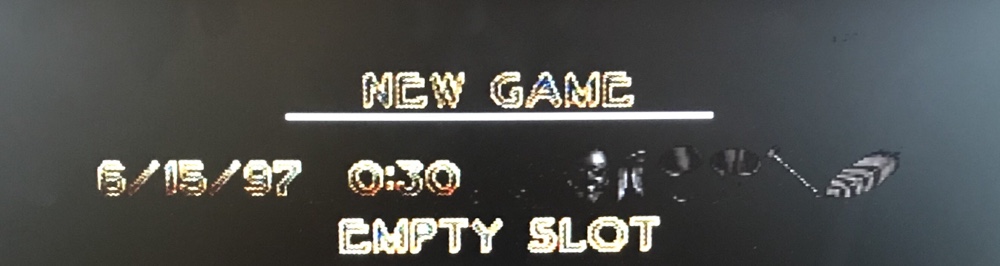
The above shows a save file I found when I was looking through my games earlier. Over 22 years ago, and 12:30 am no less. Younger me played well into the night! In the mid to late 90s I often played my Saturn much more than my PlayStation or N64 and my save files go all the way up to 2000.

But as with all consoles it would eventually be obsoleted – followed up by the Dreamcast in 1999 – and less than a year later I packed mine away and put it into ‘deep’ storage. Here’s where I usually say I had fun looking through my collection but it’s going back into storage for another XX years, never to be sold… but not this time…

Because this time things are different, since for the first time ever I’m very seriously considering selling a portion of my collection. Indeed I’ve started the process, and whether or not it actually happens depends on a few factors, not the least being the offer I receive.

Rest assured if it does happen you’ll be able to read about it here.