Category: Miscellaneous

Eggstravaganza

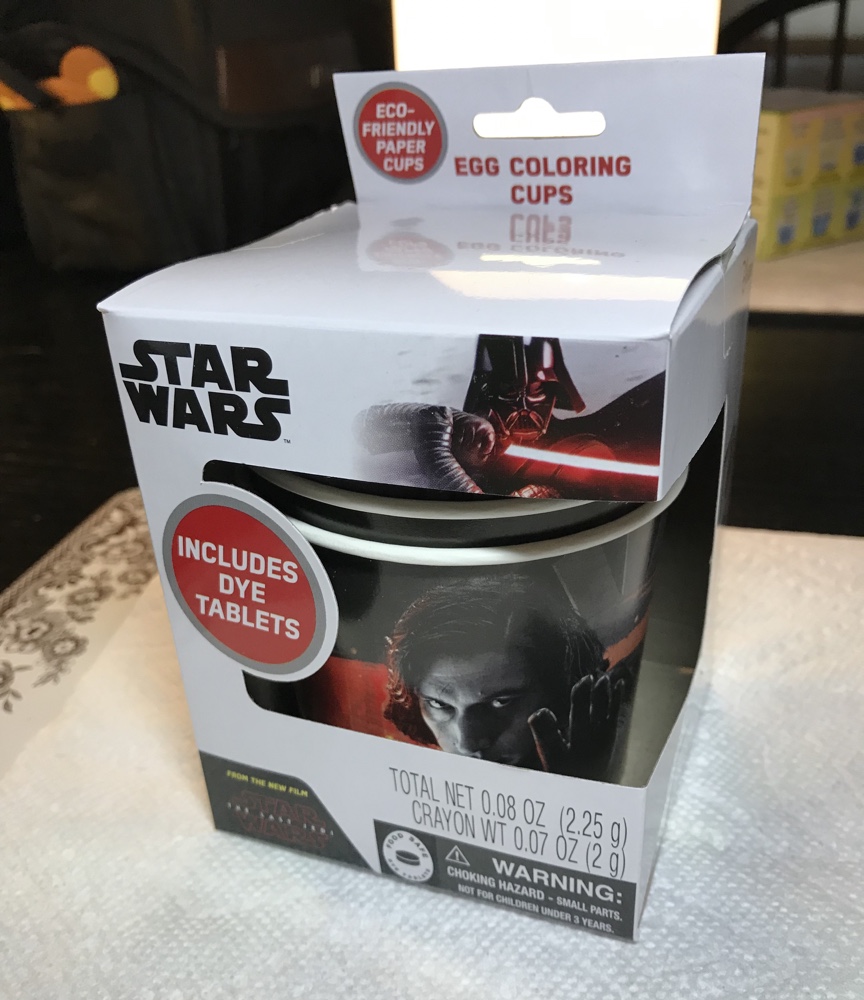
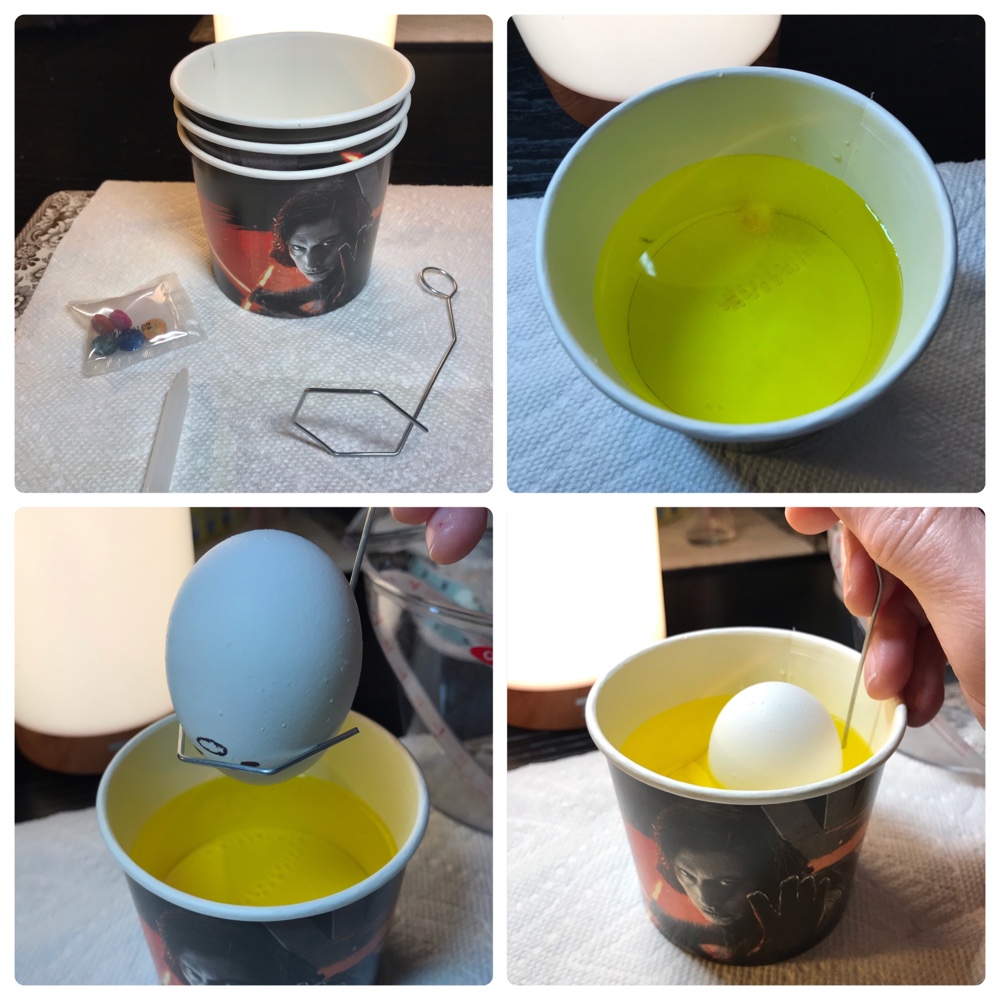
JK visited today, and even though we all know she’s here mostly to see Zoffy I felt as a good host I needed to have an activity planned. And with tomorrow being Easter the obvious choice was this:

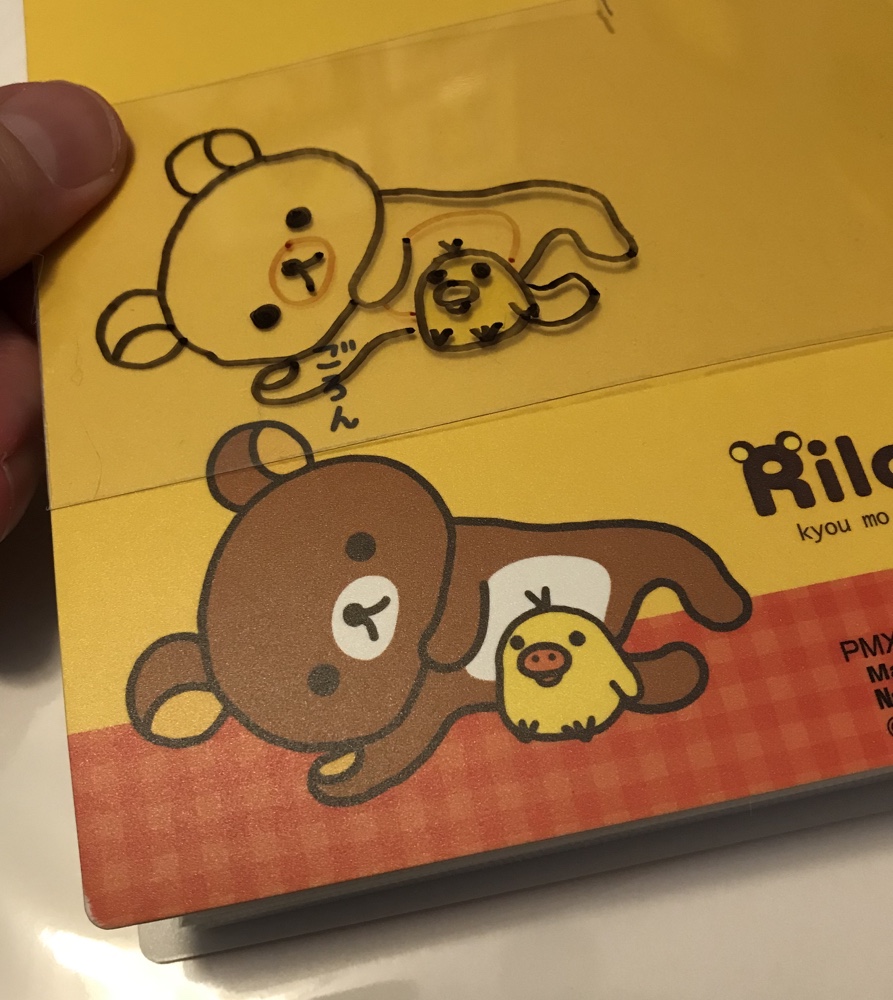
I don’t remember ever dyeing eggs at Easter, so I bought some of these inexpensive kits to try it. It’s very easy, toss a tablet into a mix of water and vinegar and dip a hard-boiled egg in. The kits come with crayons that you use to write on the eggs to keep portions undyed.

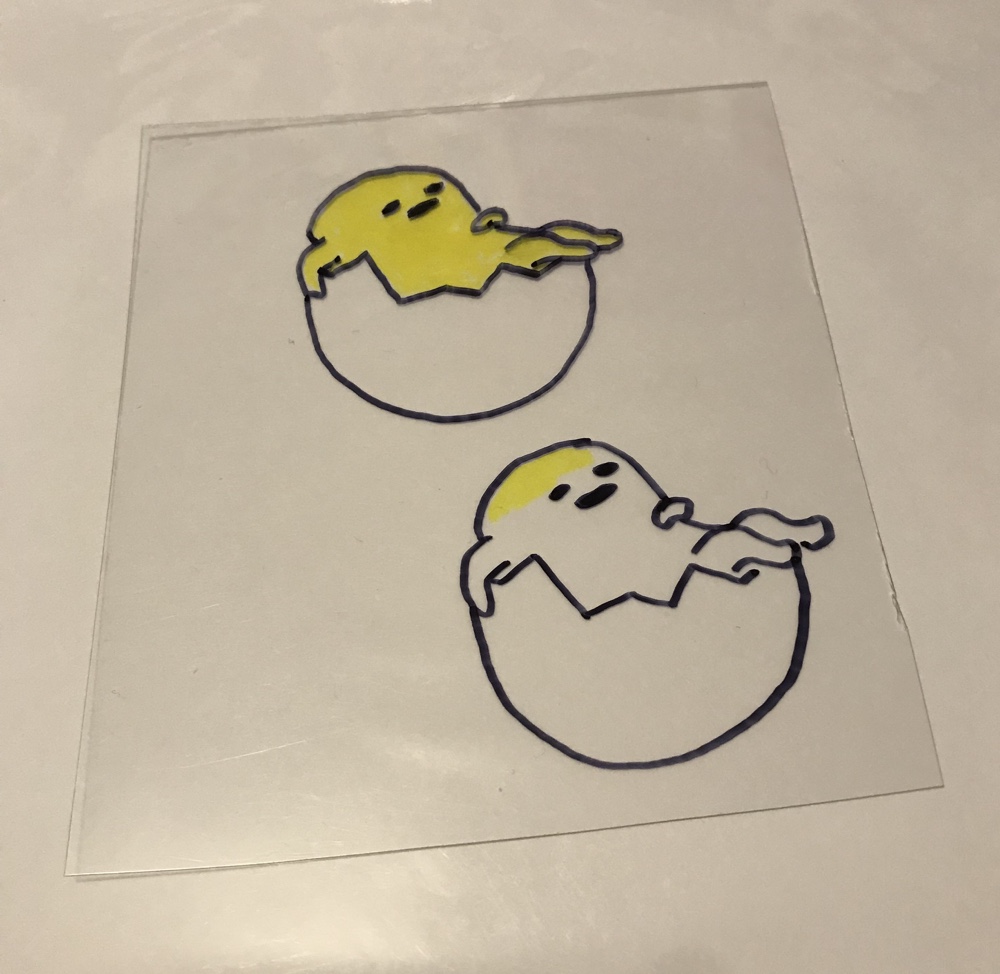
Naturally I went with the obvious design: Gudetama. My first attempt was a bit experimental:

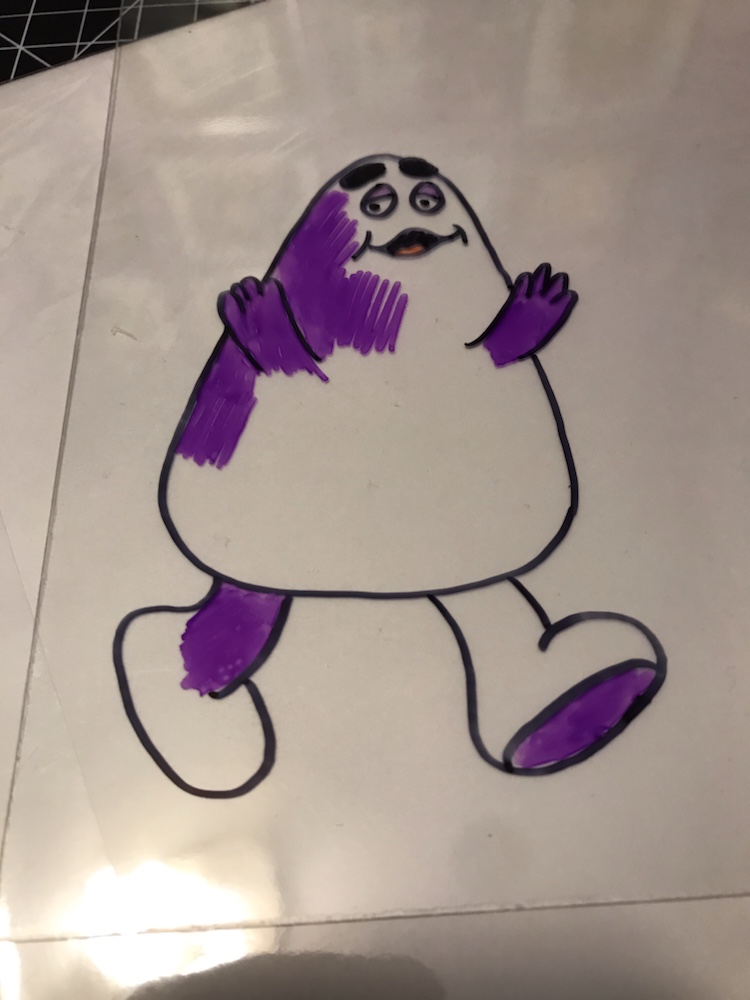
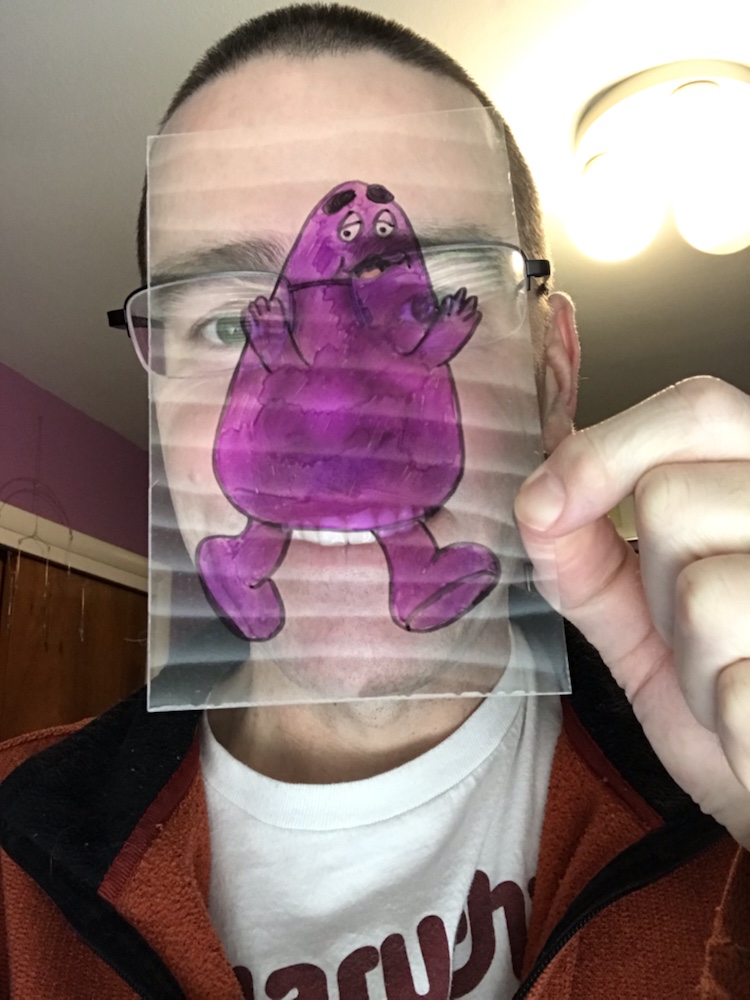
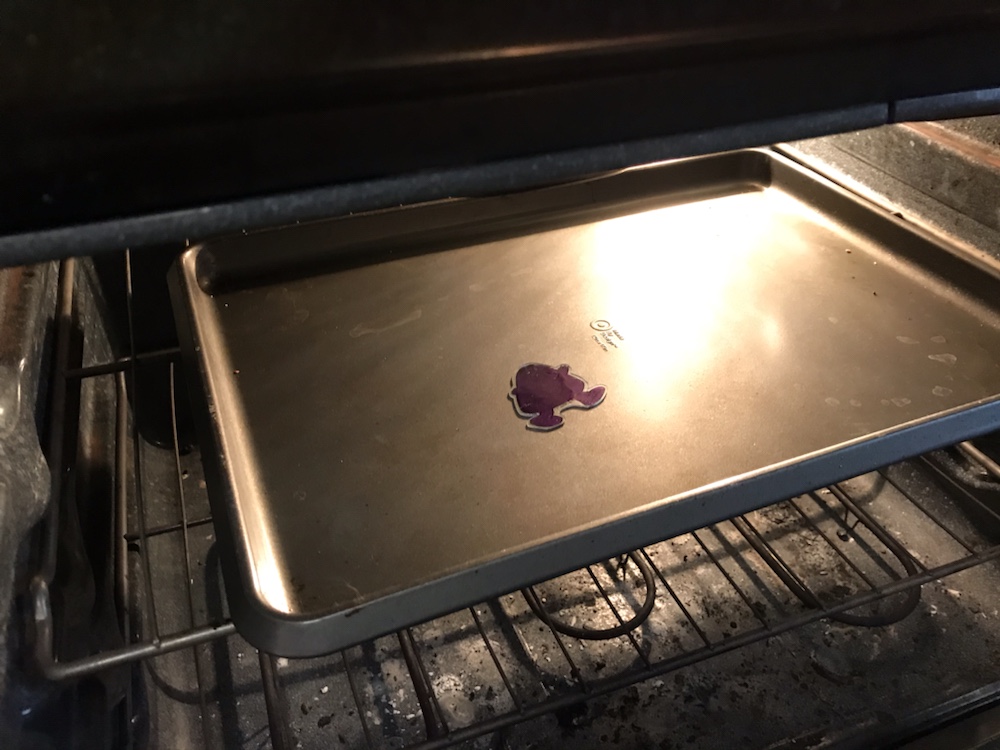
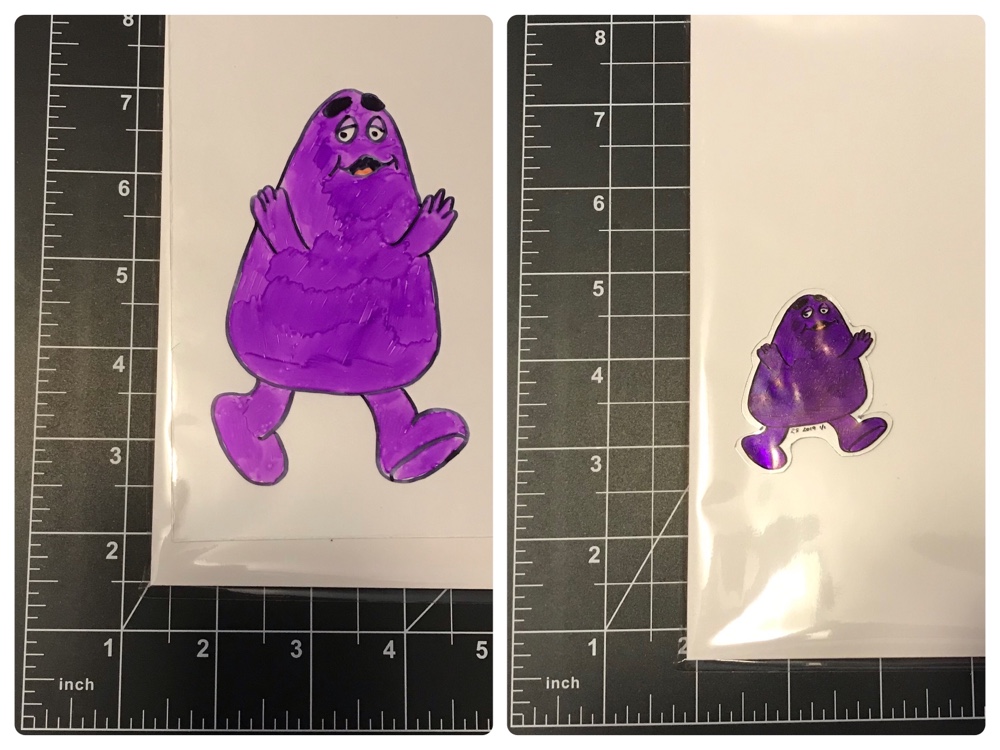
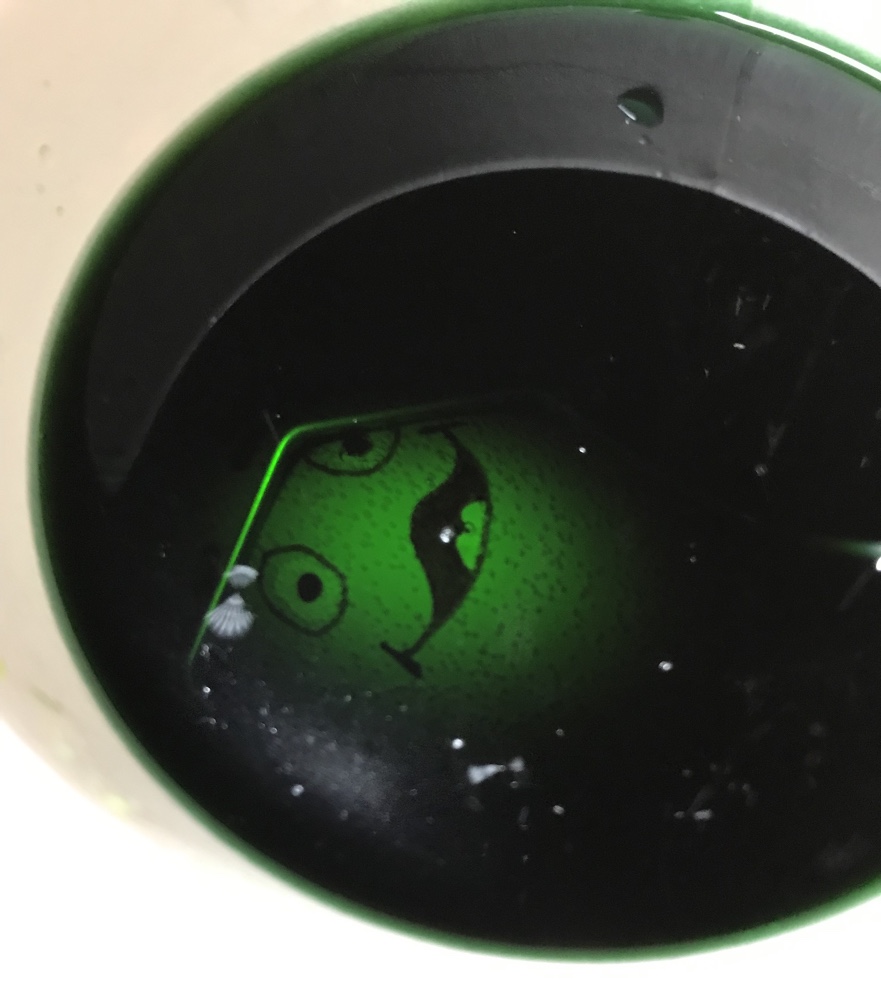
But I got better with my second (see later). Other issues arose with the coloring for my Grimace egg:

And the fact that I dropped my K-Pop egg (that I had done for Bernard):

But overall it was fun and the eggs came out better than I expected!

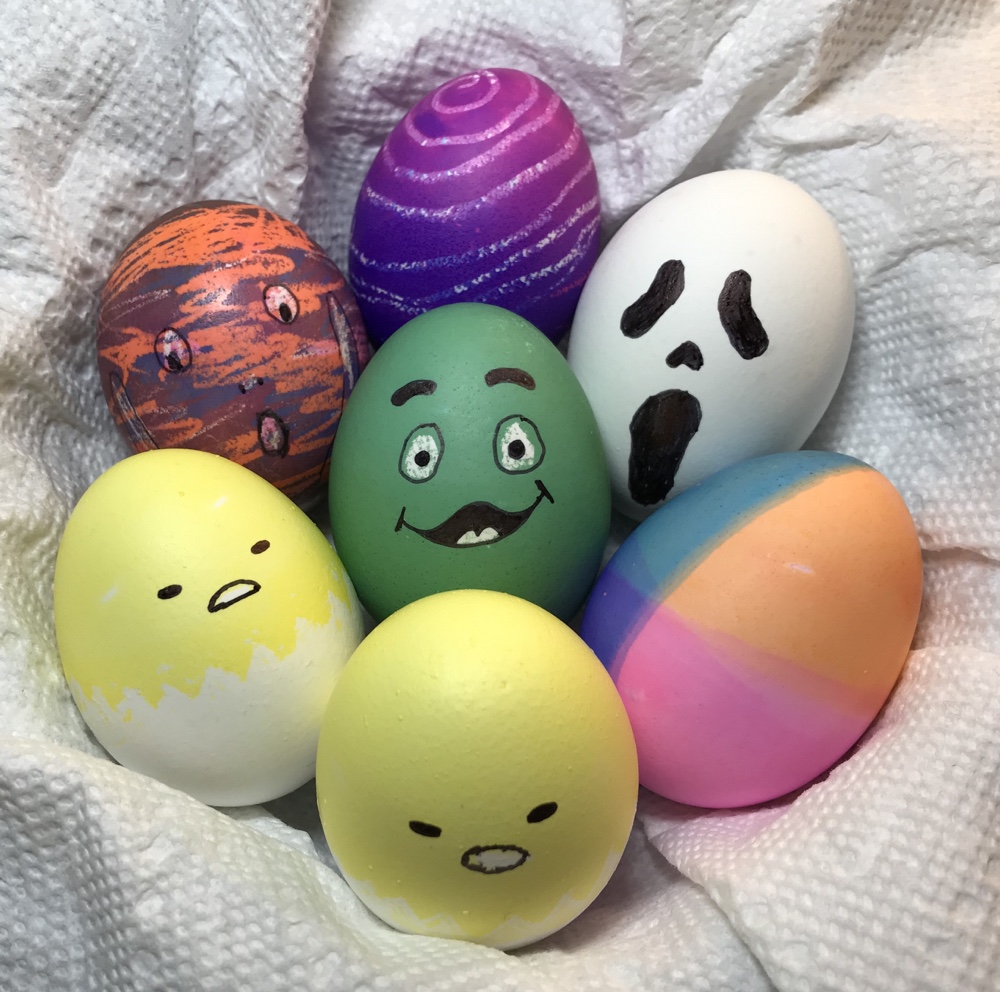
We made a few each and here they all are. What do you think?

In case you’re wondering they won’t be wasted. KLS and I aren’t boiled egg fans, but JK will take them home and turn them into sandwiches 🙂

Perfect Cell

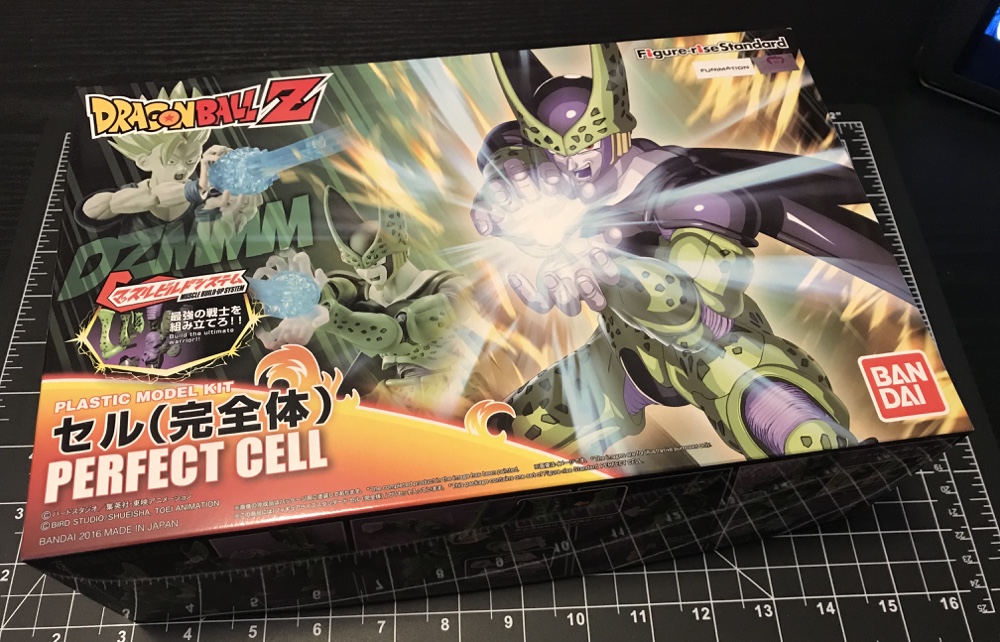
I haven’t posted about a model kit in a while, so here’s the latest I’ve made:

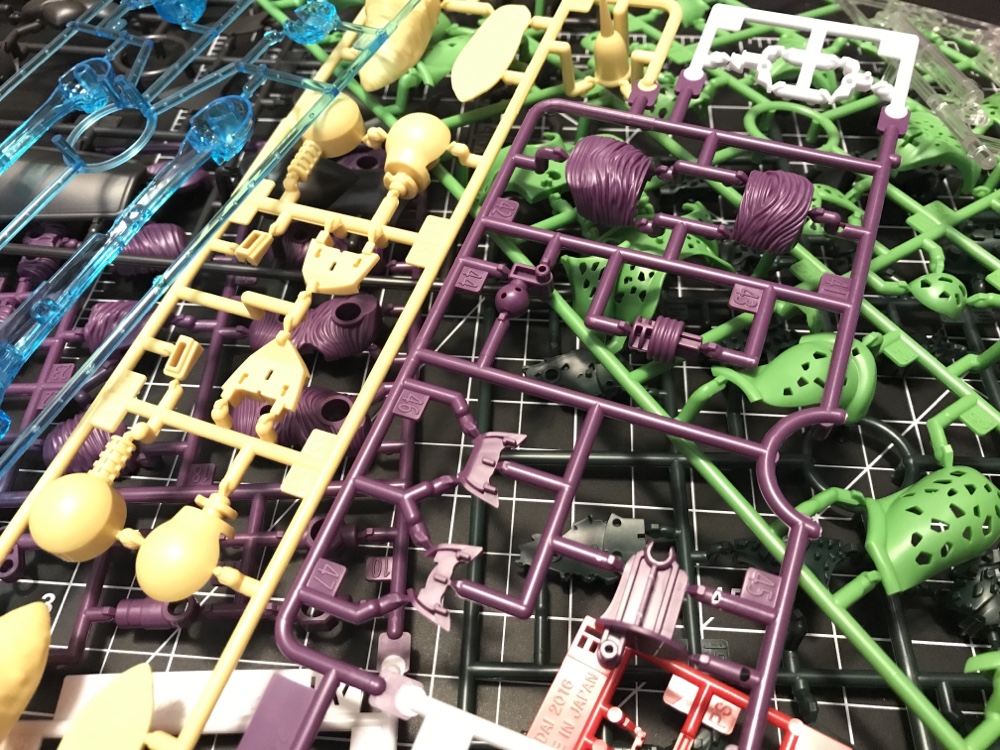
This is a character from Dragonball Z (a Japanese manga) done as a plastic model kit! Here’s the runners showing all the colours:

Much like the recent Miku bust I’d made the instructions were bilingual which I suppose makes the kit more accessible. But as usual the almost-completely pictorial assembly guide made it an easy build despite some tiny pieces.

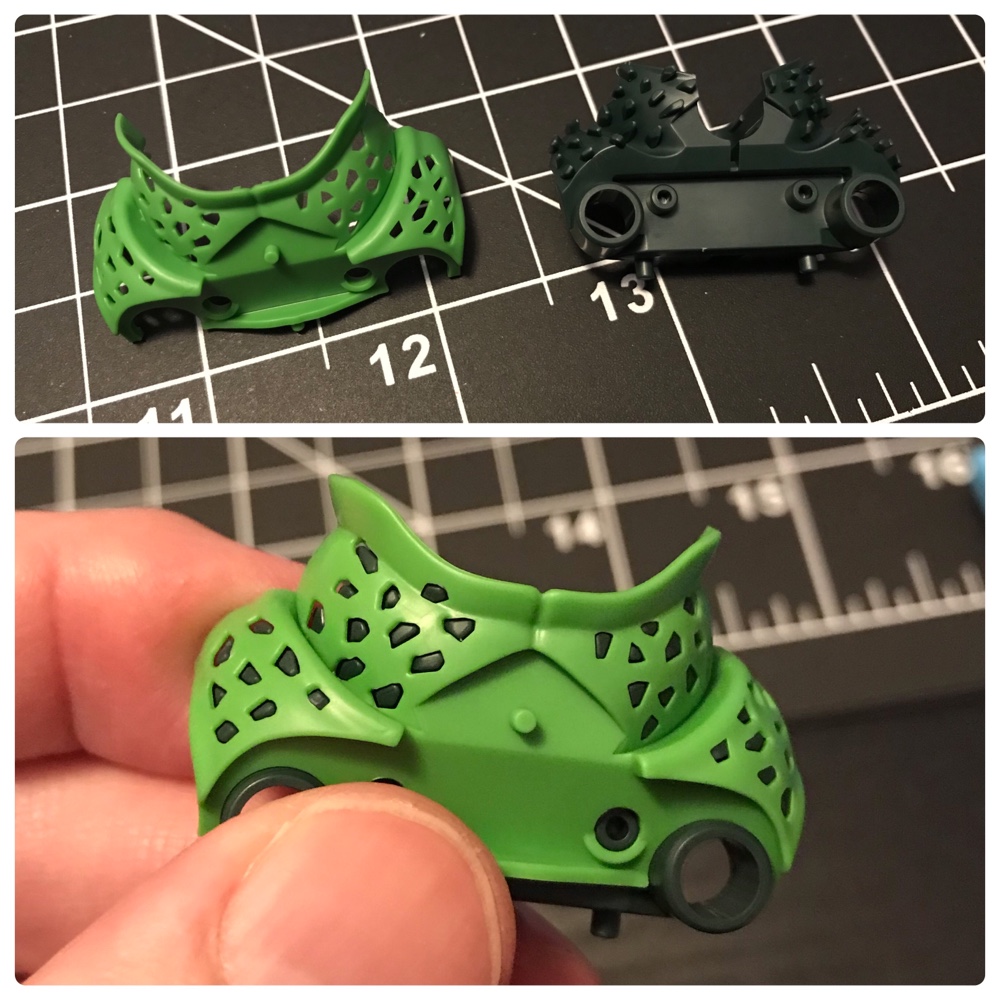
Notably the kit includes a ‘muscle building’ system which just means his mottled skin is made by overlaying a lighter piece onto the darker background:

The precision is as usual for Bandai – excellent – and this works very well.

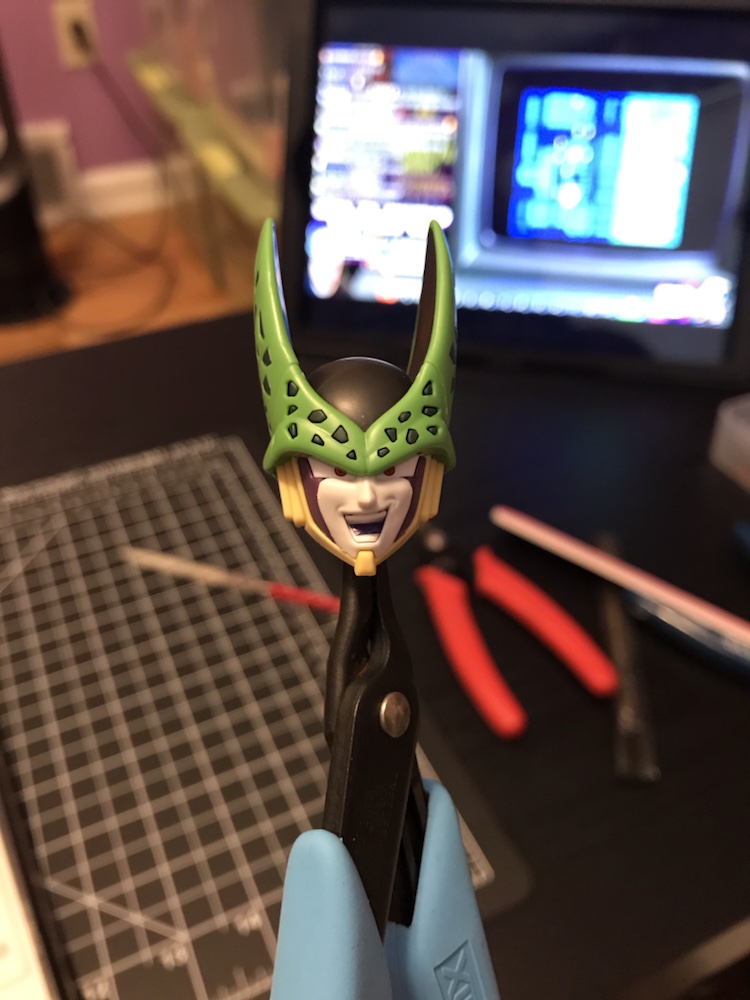
The head contains about 20 pieces alone and the final kit probably a couple of hundred:

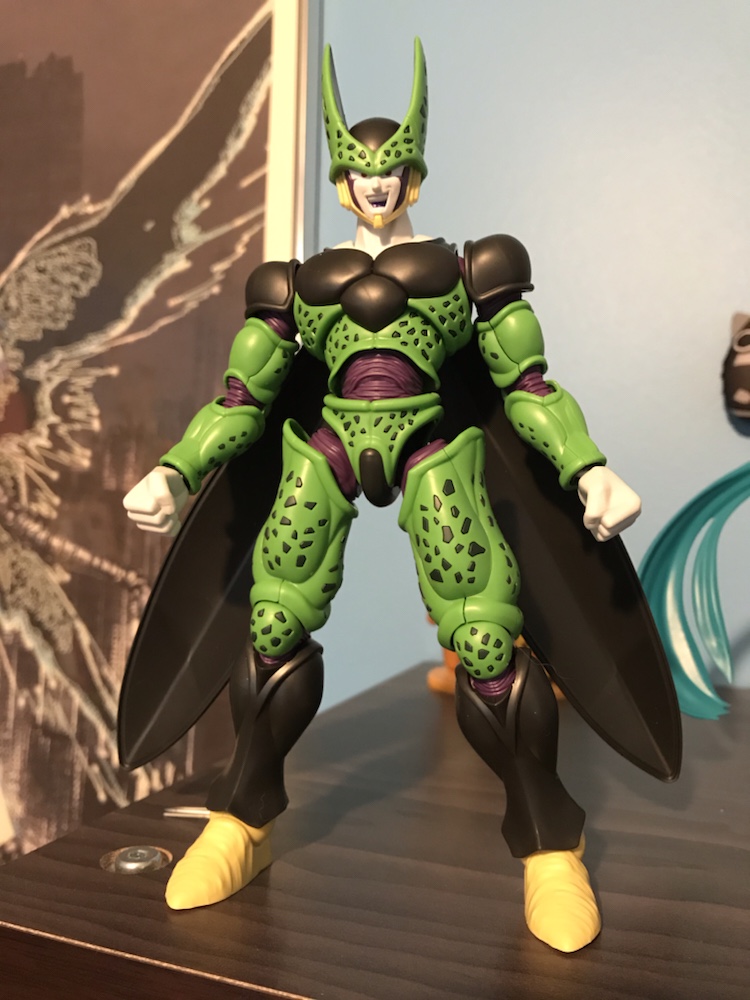
It’s quite large and very posable, although as usual I chose not to display it in battle mode with energy ball attack.

Overall a fun build that looks great. If I was a bigger DBZ fan I’d certainly buy more from this range.

My Collection: Game Gear

Sega released their Game Gear handheld console in 1990 as their answer to Nintendo’s Gameboy. It was marketed heavily on the strength of its full colour backlit screen, but poor software support coupled with the market dominance of the Gameboy led to the Game Gear never becoming a true hit.

This is my Game Gear. I never bought the system myself – I wasn’t interested in any of its games – but JAF (ie. KLS’s mum) bought herself one. Specifically on June 27, 1993 for $129.99. I know this because I still have the receipt, which shows the rechargeable battery pack ($49.99) and ‘Super Wide Gear’ magnifier ($29.99) were bought at the same time.

Joyce would eventually bequeath the system to me along with the few games she had bought. I myself had bought one game (shown above) but when I inherited it in 1994 I put it into storage and essentially ignored it for 24 years.

Then last year in Scotland I found a large collection of Game Gear games being sold at a CEX used game store and bought them all! Eighteen games in total cost me £18, which was a steal even considering they were unboxed. I was eager to try them, and when I returned to the USA I powered the system up for the first time in decades and saw this:

Yes it had broken and the screen just displayed garbage. There were sound problems as well. I wasn’t particularly surprised by this because in the decades since release the Game Gear has become infamous for the lousy quality that Sega chose to cut costs. Many components are second-rate, and the capacitors in particular are known to be the worst ever placed in a game console.

In short, all the capacitors (about 30) needed to be replaced. I bought tools and a capacitor kit, then did nothing for four months! This was because I knew it wasn’t going to be easy at all (leaky surface mounted capacitors needed to be replaced with wired ones) and because the cost of paying someone to do it was cheaper than my time. Eventually that’s what I did, and $30 and one month of work later my Game Gear was fixed.

Now it works we can see the other flaw. The much-marketed full colour screen? It’s terrible! Very washed out, with a slow refresh rate and very limited viewing angle it makes playing anything a bit of a chore in the day of OLED invisible pixel displays!

In short: all games look bad on it, and don’t even have the retro appeal of (for instance) a Gameboy.

Things are slightly better using the magnifier, even if it does make the system less portable. It also reduces the viewing angle quite notably, so you’re better off putting it on a table if you want to use it.

Let’s not discuss the absurd battery pack (top left in the above photo), which gives only about an hours battery life at the expense of a heavy eggplant-sized unit that clips onto your belt. Less expensive I suppose than 6 AA batteries every three hours, but once again something that makes us question how portable this system actually was?

The above is most of my library. I forgot to take a game out of the system (Columns) and of course Shining Force isn’t included. Game Gear games aren’t particularly valuable compared to other handhelds, mostly because if you’re interested in playing them you’ll almost always be emulating. The most valuable game in my collection (Shining Force) is ‘worth’ only about what I paid for it 25 years ago.

This system is a curiosity these days. It had very few good games at the time, and almost none worth seriously playing today. The systems themselves are unreliable, and even when repaired are frustrating to use unless you spent too much to replace the screen with an LED upgrade. This is very much a system just for my collection, and I reckon it could be decades before I turn it on again…