Category: Retro

My Collection: Saturn

In late 1994 Sega of Japan launched the Saturn console, their long-awaited followup to the Megadrive. Sega was starting to struggle in the market after the failure of the Sega-CD and 32X addons, and their hope was the Saturn would fight off the looming threat of Sony’s entrance into the home console market. As history now tells us, it didn’t.
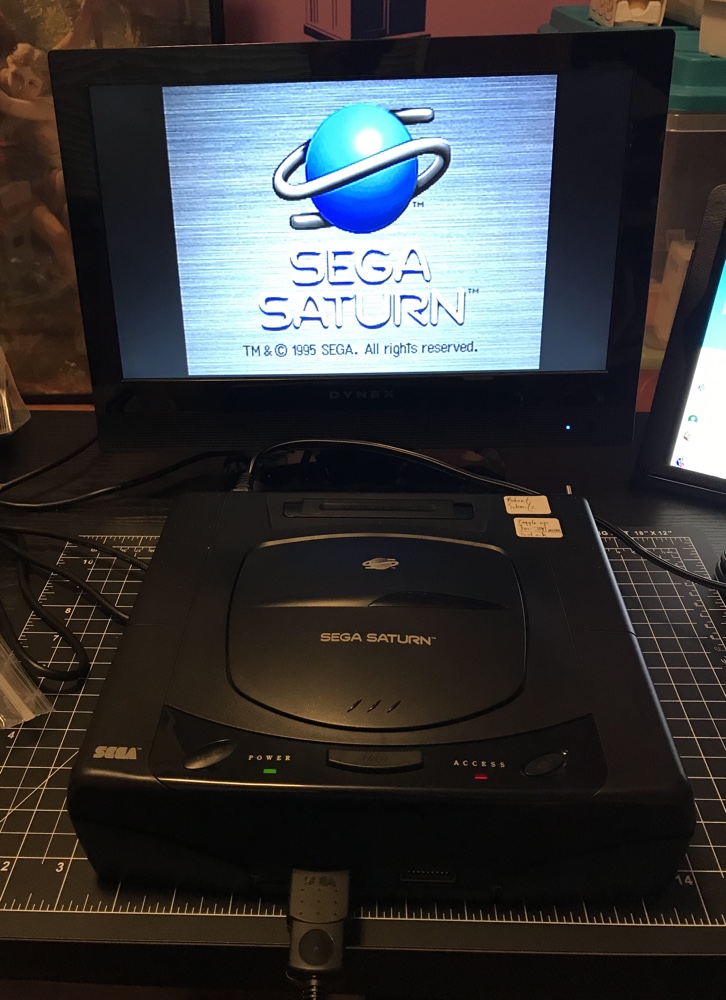
I bought my Saturn on the day of US launch: May 11 1995. Famously Sega launched ‘early’ with only one day advance notice and while I was planning on buying a Saturn I never expected I’d have it in my house several months before the originally stated launch date. As we now know the early launched failed: there weren’t enough compelling games ready and consumers weren’t interested.
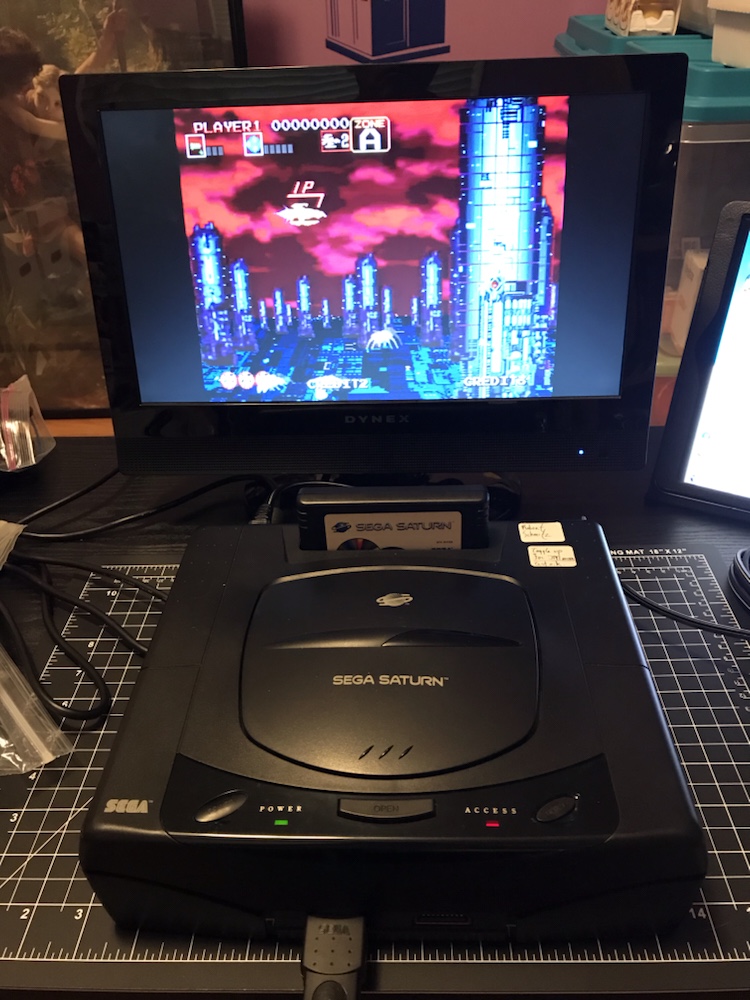
But I loved the Saturn. Mostly this was for the very reason it failed: the Saturn was a machine that was very poor at 3D graphics, but very good at 2D. This meant it got all the ports of Capcom arcade fighters, which I greatly enjoyed back then. For me therefore, the Saturn was an arcade in my home.
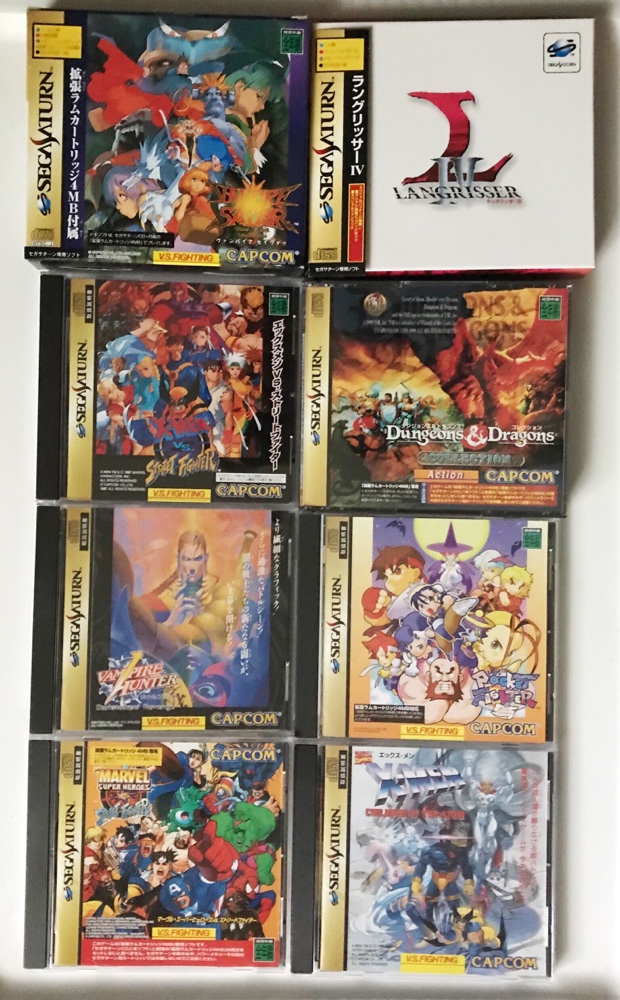
That’s a portion of my collection. I quickly got my Saturn modified to play Japanese games and it became my intro to ‘import gaming’. I played the hell out of the above, and loved them all.
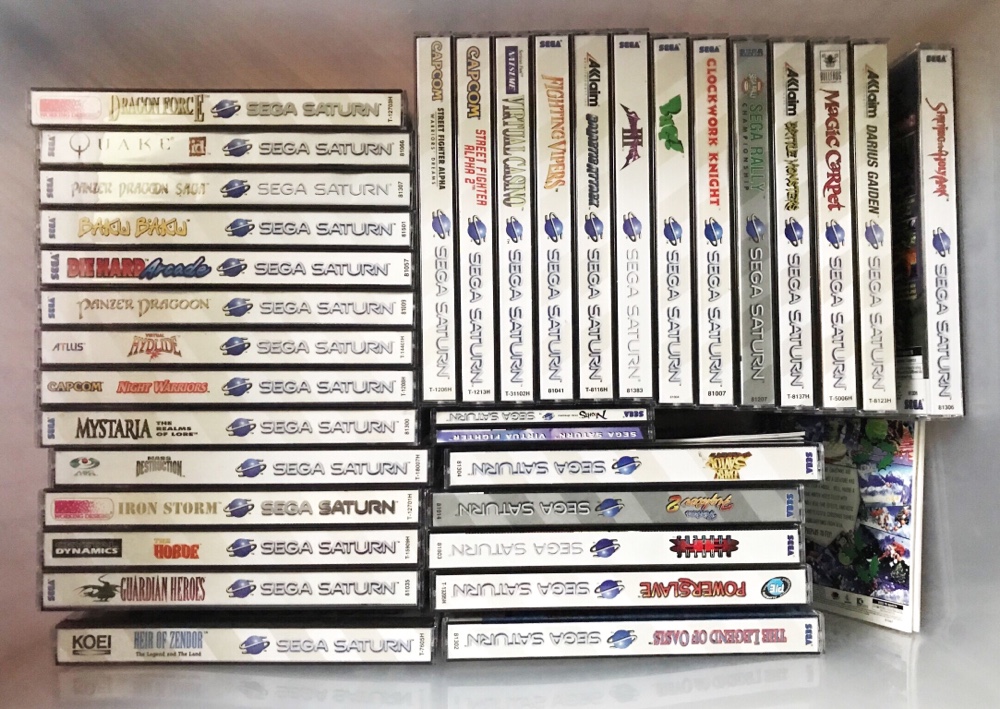
That’s the remainder of my current collection, and back in the day I had more but traded some in during the late 90s. I bought more games for my Saturn than for any other non-Nintendo system.
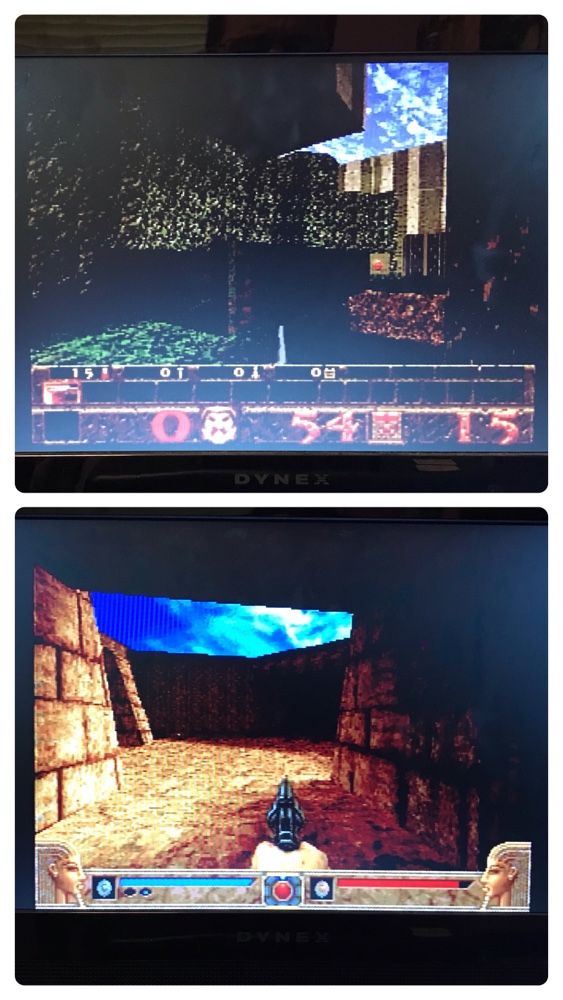
And it wasn’t just 2D fighters. The above show Quake and an Egyptian turned FPS called Powerslave which is easily the better game. I also bought driving games, puzzle games, RPGs (alas not enough were released) and all sorts of other weird games (such as a horse racing simulator). During the failing days of the system I bought just about anything I saw for cheap, which was often as little as $5 brand new! I didn’t want to see this console die.
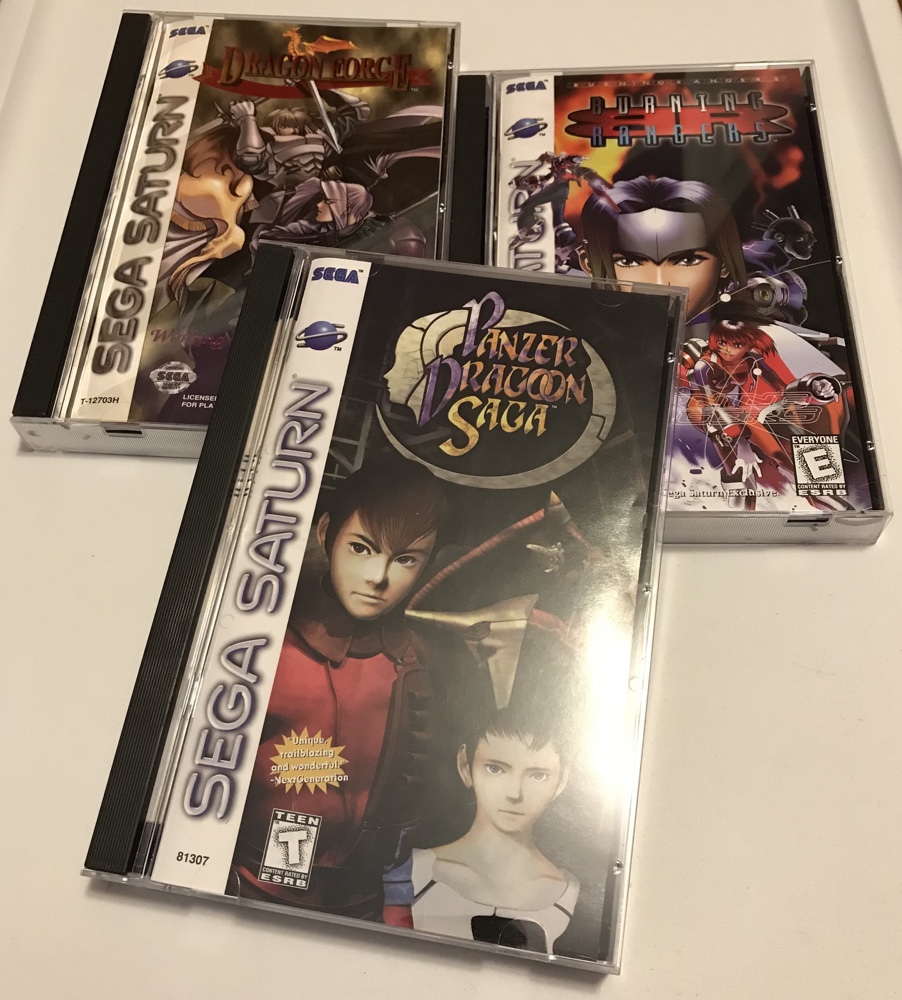
The Saturn was never a great success, and it laid the groundwork for Sega’s ultimate departure from the hardware market. But it’s treasured by retro gamers and as such some of its rarer games now fetch astonishing prices. Collectively the three shown above would probably fetch $1500 or more, which is more than I paid in total for my system and all the games. Collecting for the Saturn these days is a rich man’s hobby!
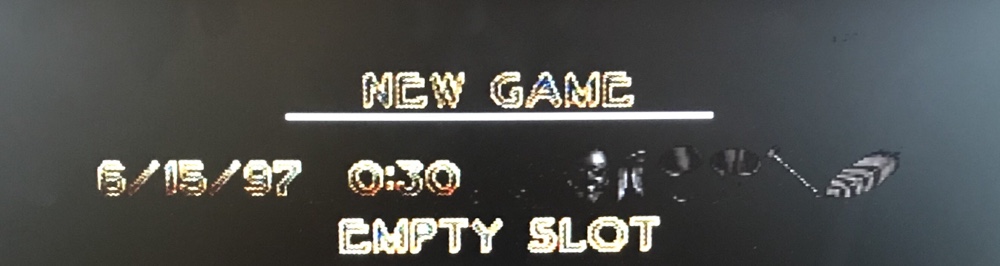
The above shows a save file I found when I was looking through my games earlier. Over 22 years ago, and 12:30 am no less. Younger me played well into the night! In the mid to late 90s I often played my Saturn much more than my PlayStation or N64 and my save files go all the way up to 2000.

But as with all consoles it would eventually be obsoleted – followed up by the Dreamcast in 1999 – and less than a year later I packed mine away and put it into ‘deep’ storage. Here’s where I usually say I had fun looking through my collection but it’s going back into storage for another XX years, never to be sold… but not this time…

Because this time things are different, since for the first time ever I’m very seriously considering selling a portion of my collection. Indeed I’ve started the process, and whether or not it actually happens depends on a few factors, not the least being the offer I receive.

Rest assured if it does happen you’ll be able to read about it here.
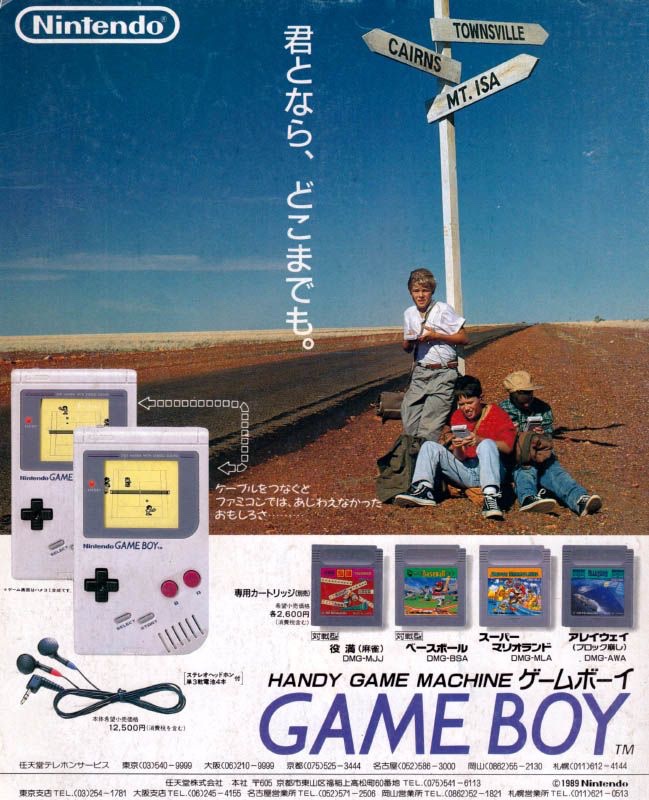
Happy Birthday Game Boy!

30 years ago today Nintendo released their first portable game system: the Game Boy.

That’s a very early Japanese advert touting the ‘handy game machine’ (being played by young boys obviously lost/abandoned in the Australian outback)! As you see the system was very much marketed at children, but as we know now went on to become beloved by players of all ages.

The Game Boy went on to sell almost 120 million units in the fourteen years it was sold, and directly led into the followup Game Boy Advance and then DS series. Many competing handheld consoles came and went, but none made much of a dent in a market absolutely dominated by Nintendo’s Game Boys.

I’ve loved this device since it was released, and to this day handhelds (especially Nintendo ones) are my favorite game systems. Between the Game Boy and it’s followups I own over twenty pieces of hardware and over six hundred games! Needless to say the release of the Game Boy 30 years back had a direct effect on my life 🙂

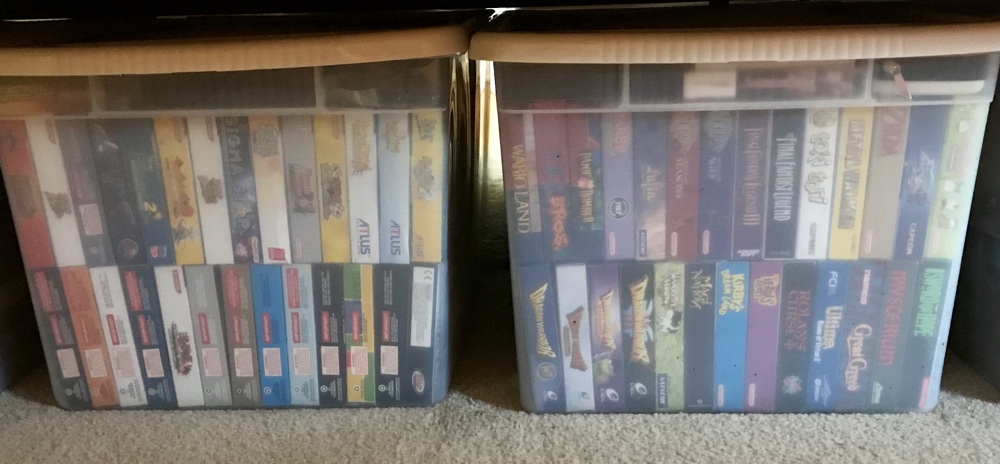
I’ve written about my (original model) Game Boy collection before. You can read that here (and yes I misspelled the console name throughout). In preparing this post I dug out my collection for another look-see. Here’s a shot of a portion of the game boxes I mentioned five years ago:

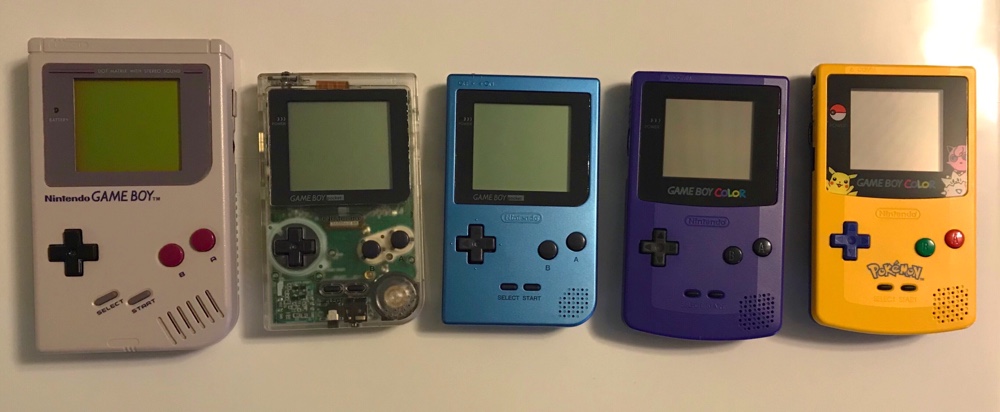
And here’s another shot of all five of my Game Boys (all of which still work):

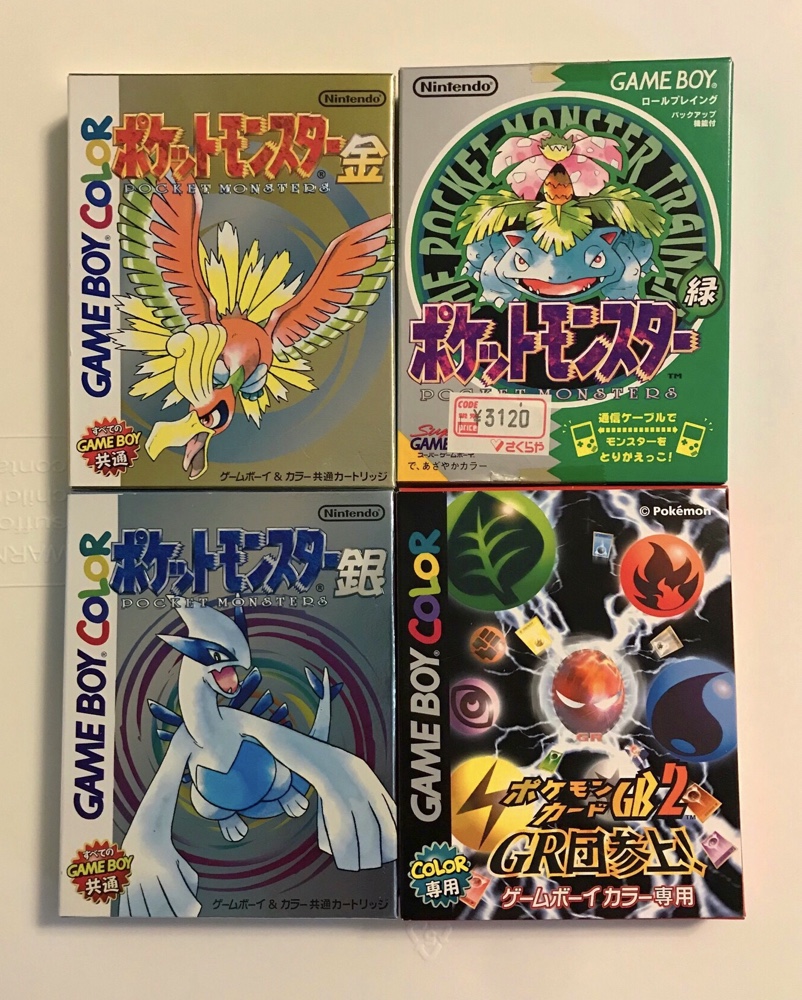
I was looking for a particular game to feature, and found these four Japanese release Pokémon games I bought to play since I couldn’t wait for the USA releases:

(Yes I ended up buying all the USA versions as well, except for Pokémon Card 2 which was never localized!)

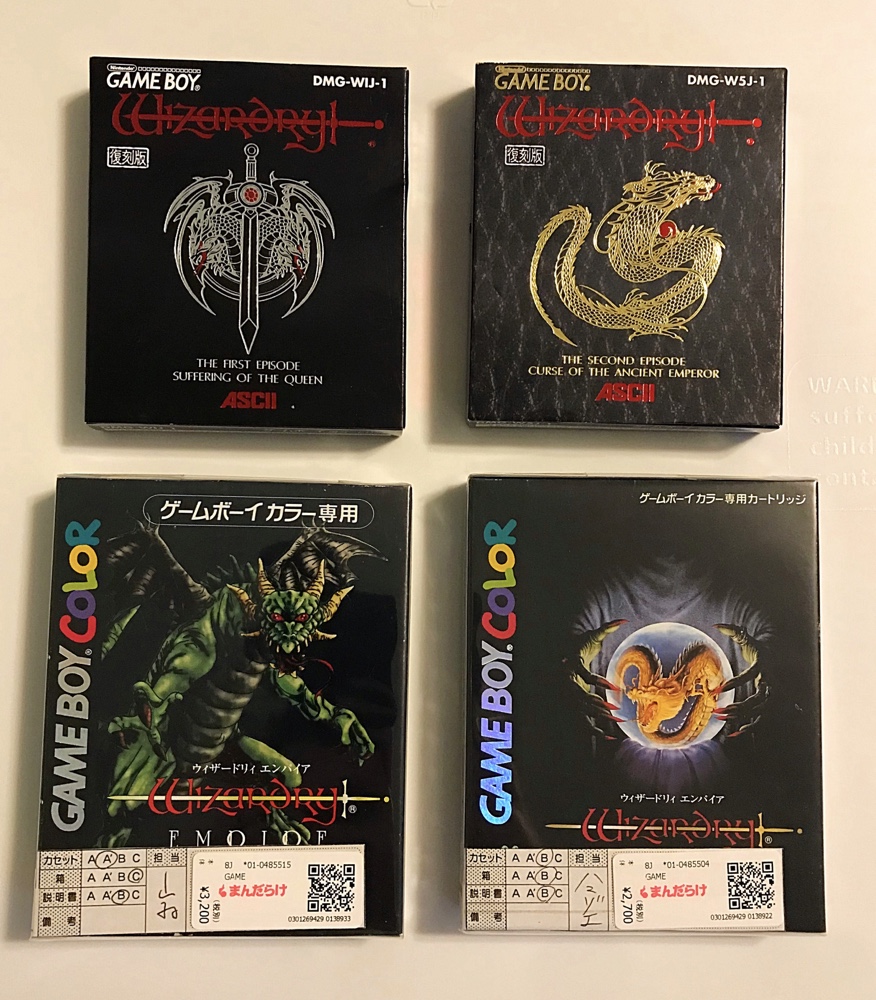
And since my original post I’ve added a few more games to my collection, including two more beautiful Wizardry games:

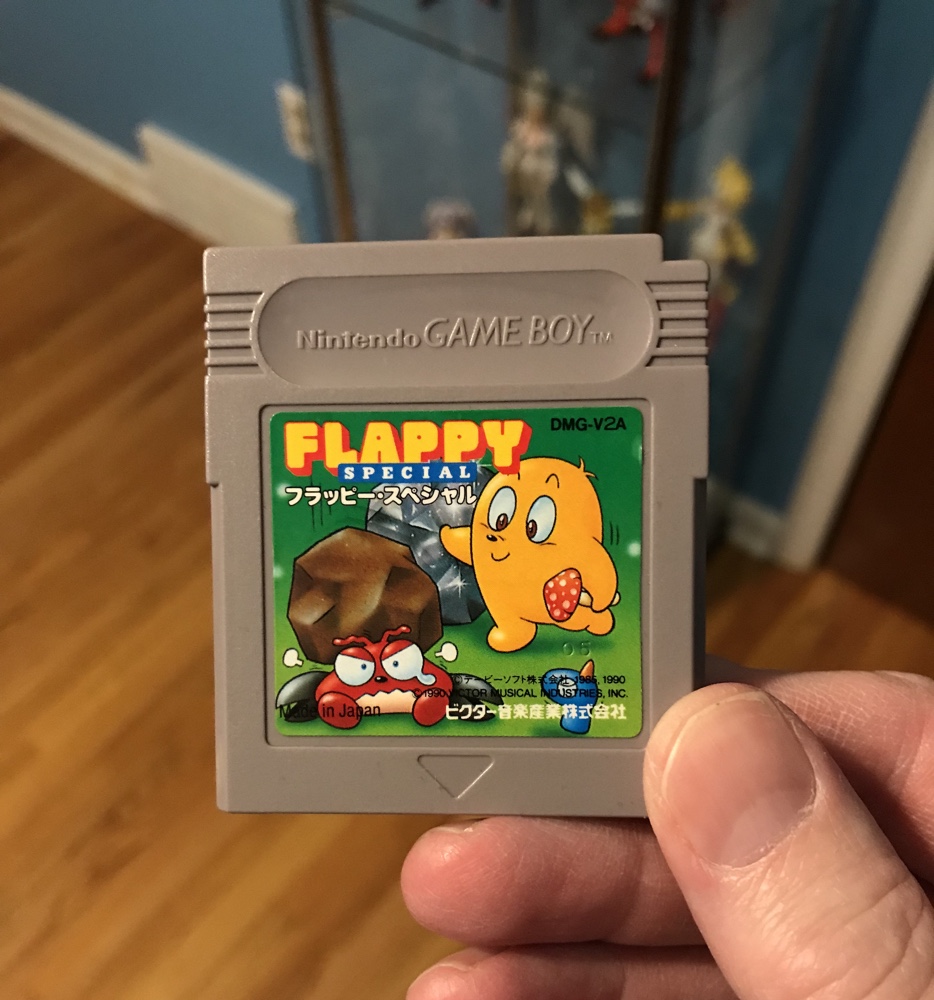
And this guy, bought for ¥100 in Japan last January:

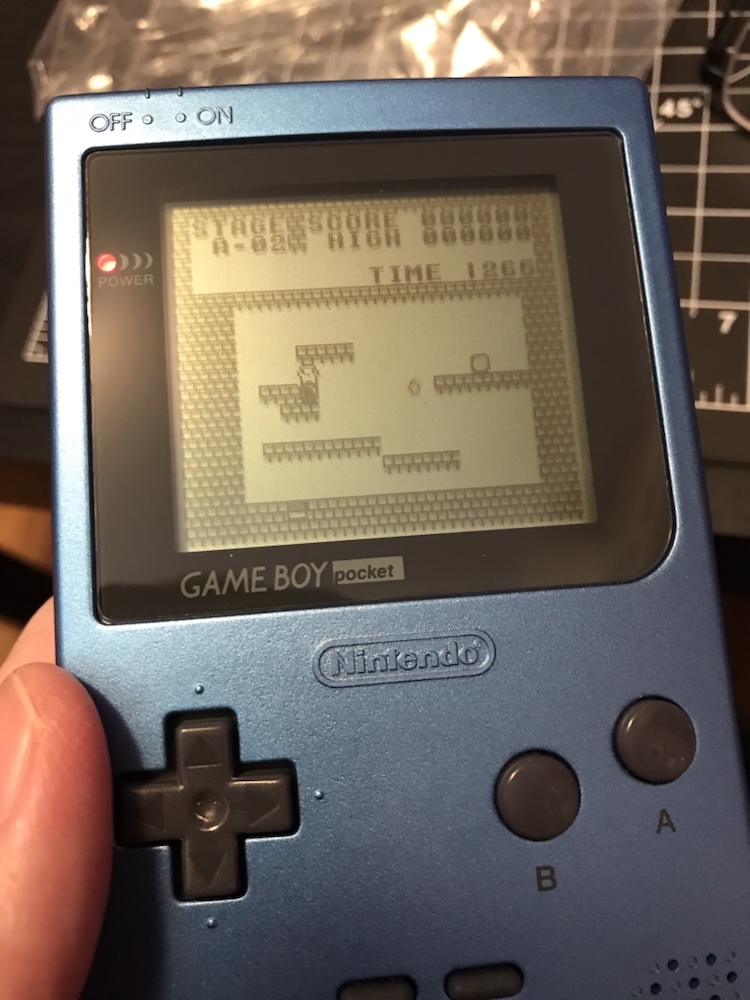
I fired up the above just now on one of my Game Boy Pockets just for some nostalgia…

It was terrible 🙂

The Game Boy may be ‘obsolete’ now, but it will never be forgotten. It’s legacy includes not just numerous followup systems, but also a library of amazing games many of which are still great fun today. The systems themselves are notoriously robust so if you’ve got one in an attic somewhere why not get it out, pop in some batteries, and fire up Tetris again for some late 80’s gaming nostalgia?

My Collection: Game Gear

Sega released their Game Gear handheld console in 1990 as their answer to Nintendo’s Gameboy. It was marketed heavily on the strength of its full colour backlit screen, but poor software support coupled with the market dominance of the Gameboy led to the Game Gear never becoming a true hit.

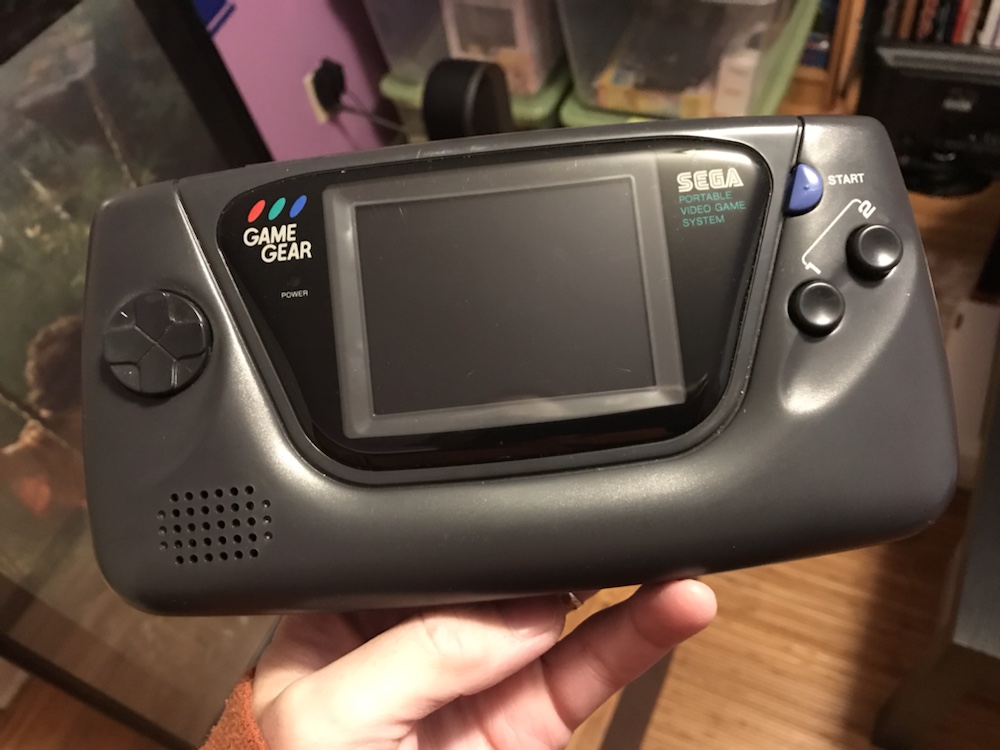
This is my Game Gear. I never bought the system myself – I wasn’t interested in any of its games – but JAF (ie. KLS’s mum) bought herself one. Specifically on June 27, 1993 for $129.99. I know this because I still have the receipt, which shows the rechargeable battery pack ($49.99) and ‘Super Wide Gear’ magnifier ($29.99) were bought at the same time.

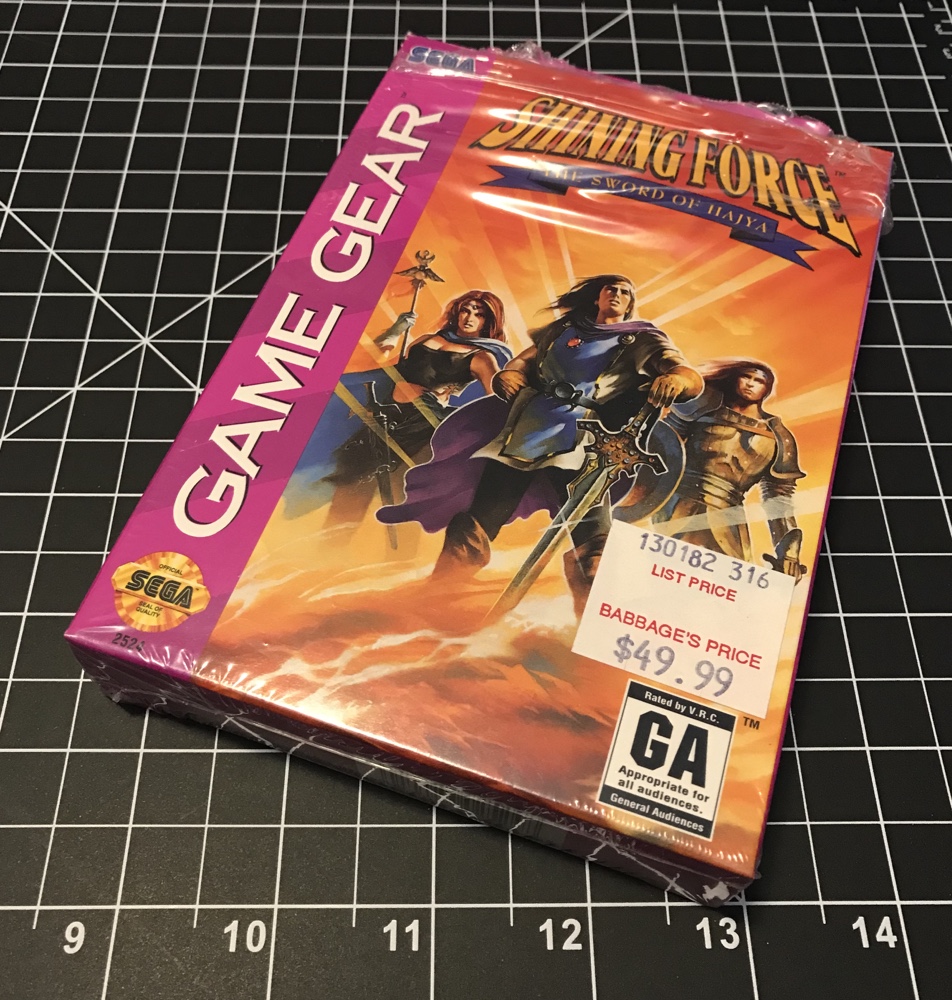
Joyce would eventually bequeath the system to me along with the few games she had bought. I myself had bought one game (shown above) but when I inherited it in 1994 I put it into storage and essentially ignored it for 24 years.

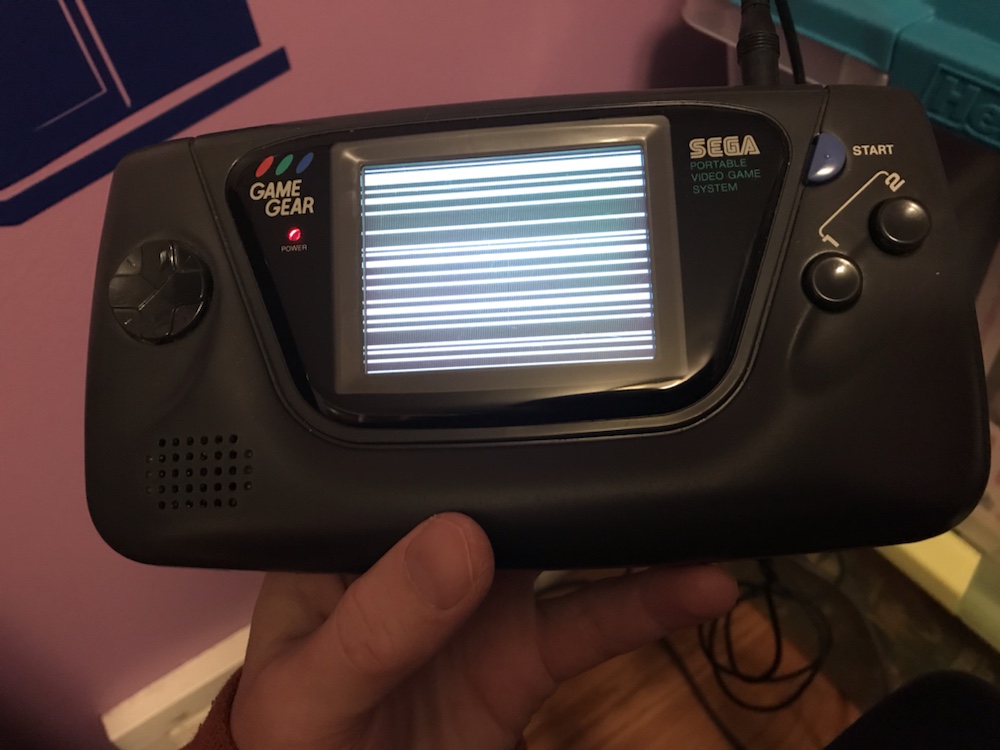
Then last year in Scotland I found a large collection of Game Gear games being sold at a CEX used game store and bought them all! Eighteen games in total cost me £18, which was a steal even considering they were unboxed. I was eager to try them, and when I returned to the USA I powered the system up for the first time in decades and saw this:

Yes it had broken and the screen just displayed garbage. There were sound problems as well. I wasn’t particularly surprised by this because in the decades since release the Game Gear has become infamous for the lousy quality that Sega chose to cut costs. Many components are second-rate, and the capacitors in particular are known to be the worst ever placed in a game console.

In short, all the capacitors (about 30) needed to be replaced. I bought tools and a capacitor kit, then did nothing for four months! This was because I knew it wasn’t going to be easy at all (leaky surface mounted capacitors needed to be replaced with wired ones) and because the cost of paying someone to do it was cheaper than my time. Eventually that’s what I did, and $30 and one month of work later my Game Gear was fixed.

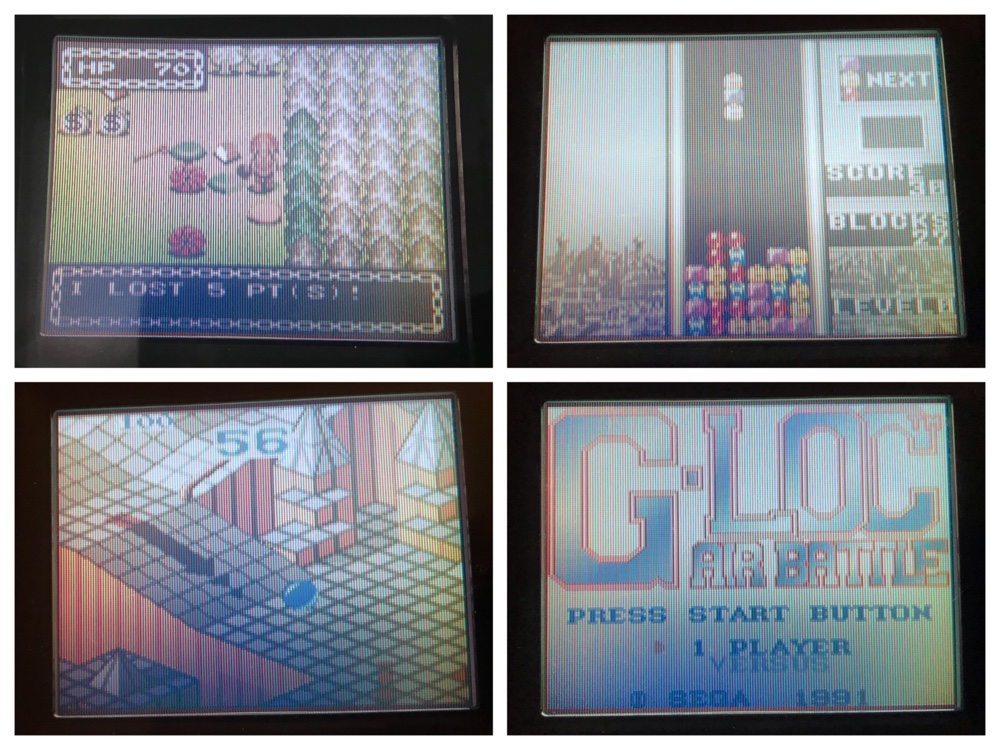
Now it works we can see the other flaw. The much-marketed full colour screen? It’s terrible! Very washed out, with a slow refresh rate and very limited viewing angle it makes playing anything a bit of a chore in the day of OLED invisible pixel displays!

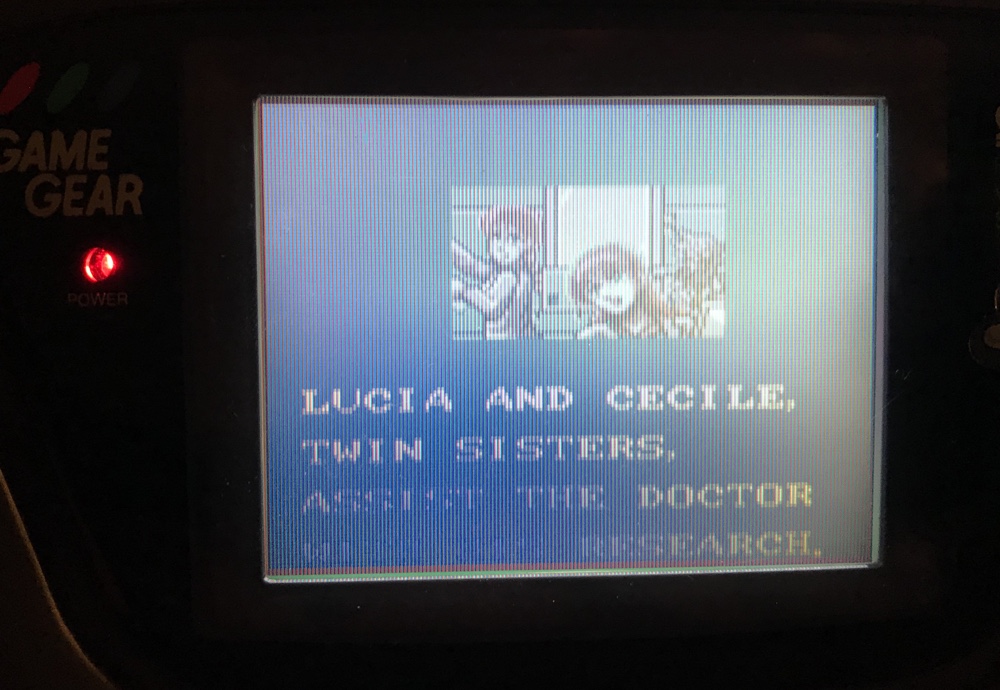
In short: all games look bad on it, and don’t even have the retro appeal of (for instance) a Gameboy.

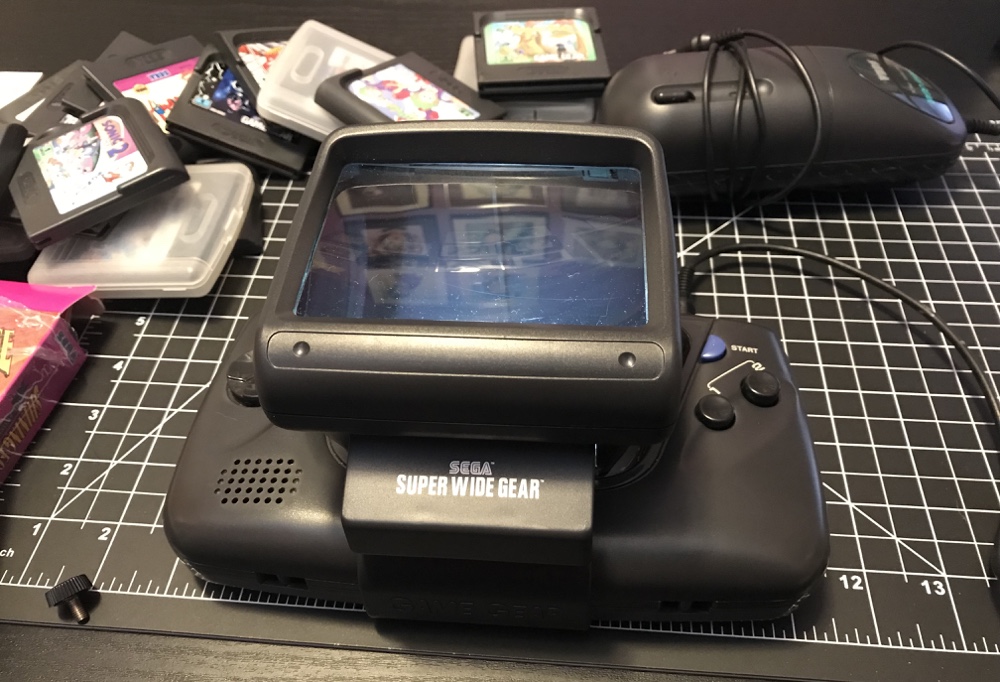
Things are slightly better using the magnifier, even if it does make the system less portable. It also reduces the viewing angle quite notably, so you’re better off putting it on a table if you want to use it.

Let’s not discuss the absurd battery pack (top left in the above photo), which gives only about an hours battery life at the expense of a heavy eggplant-sized unit that clips onto your belt. Less expensive I suppose than 6 AA batteries every three hours, but once again something that makes us question how portable this system actually was?

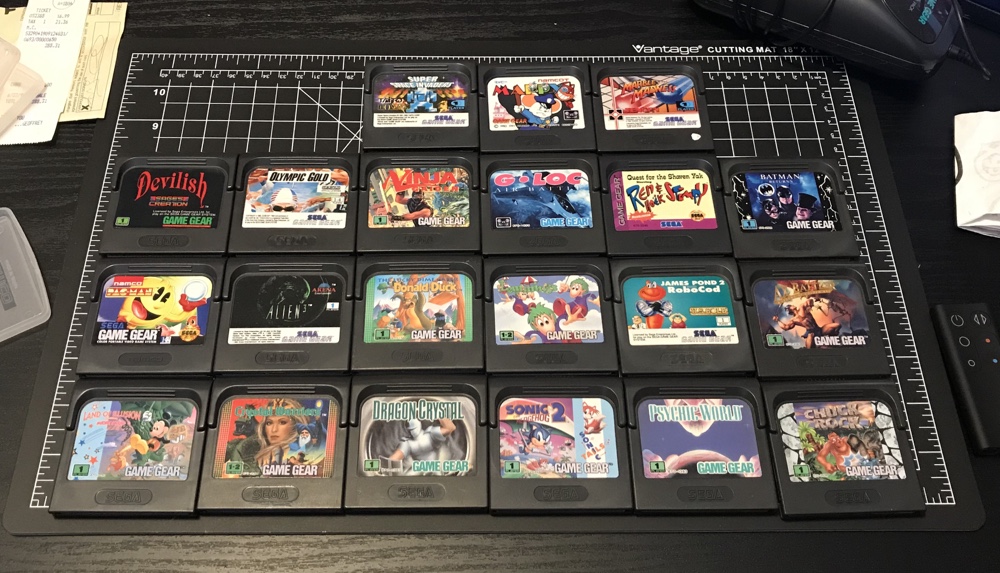
The above is most of my library. I forgot to take a game out of the system (Columns) and of course Shining Force isn’t included. Game Gear games aren’t particularly valuable compared to other handhelds, mostly because if you’re interested in playing them you’ll almost always be emulating. The most valuable game in my collection (Shining Force) is ‘worth’ only about what I paid for it 25 years ago.

This system is a curiosity these days. It had very few good games at the time, and almost none worth seriously playing today. The systems themselves are unreliable, and even when repaired are frustrating to use unless you spent too much to replace the screen with an LED upgrade. This is very much a system just for my collection, and I reckon it could be decades before I turn it on again…