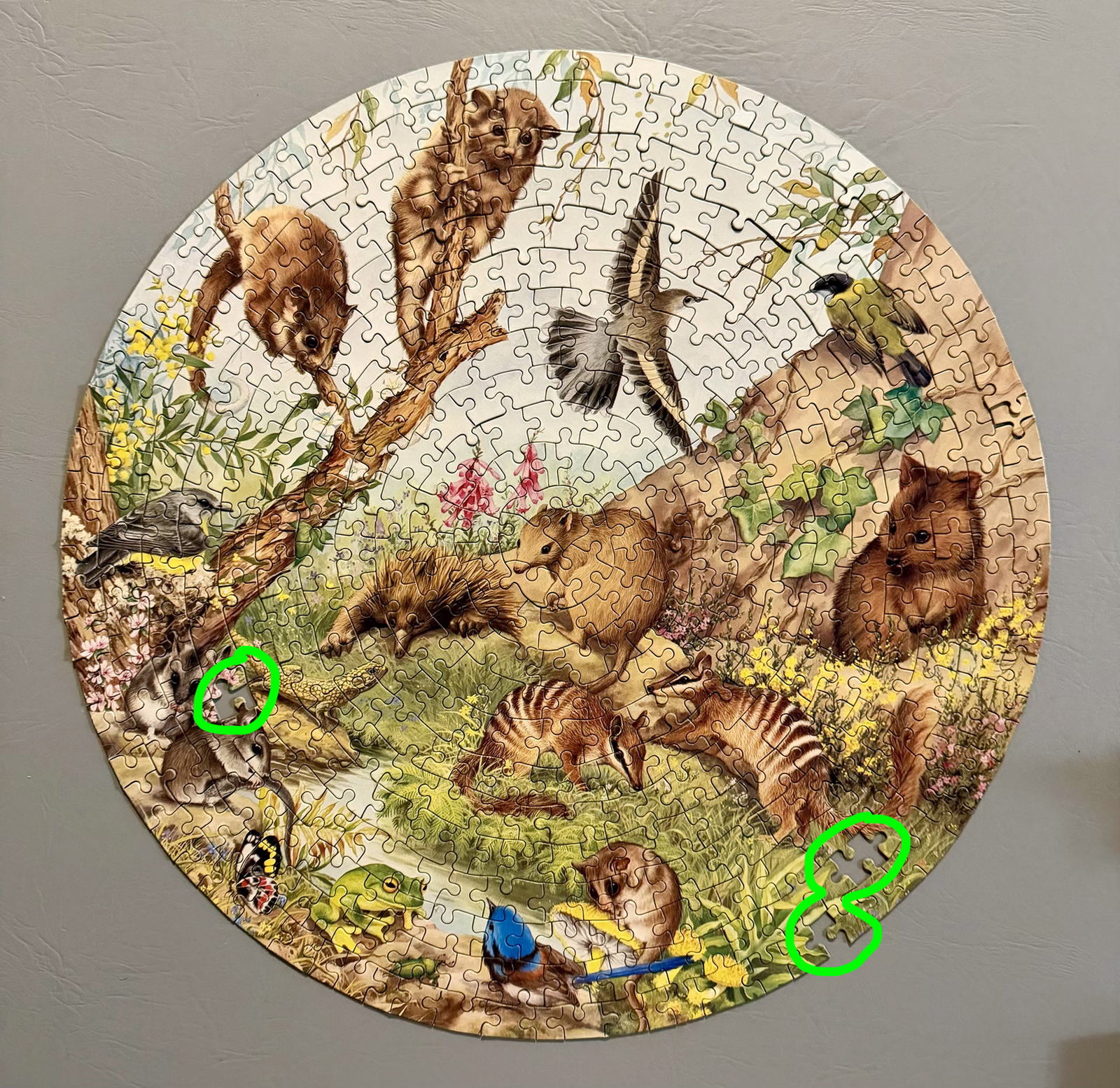
The weather was nice so today I went for a walk, and after a brief stop in a hobby store I stopped at Broadmeadow McDonalds for an early lunch. I was too early since Australians apparently eat breakfast well into the lunch hour, and when I realized I couldn’t get a happy meal for an hour I became slightly irked. I ducked into the loo but the floor was slick with pee due to an overflowed urinal and when I hastily fled the store the wailing of a feral child echoed in my ears. I vowed to never enter a McDonald’s ever again.
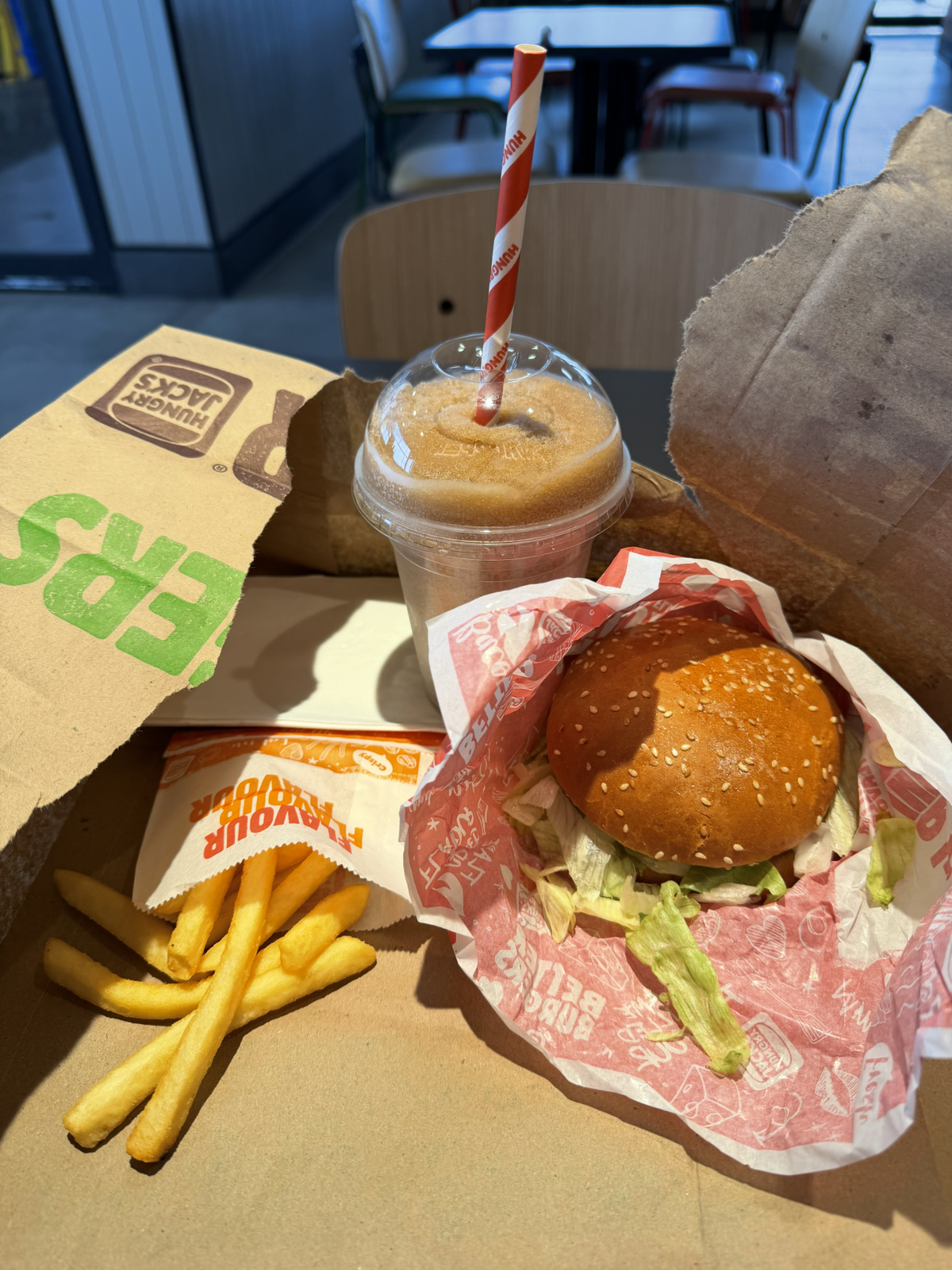
Luckily there’s a Burger King Hungry Jack’s just down the street. This is a cultured dining establishment that isn’t breakfast-obsessed and I happily ordered a small Whopper Jr meal. I wasn’t bothered by the fact they forgot the tomato or that there were only eight fries since I was intrigued by the fact the frozen coke was in two cups, and had been filled by what appeared to be a nine-year-old.
There had been a frozen coke incident the other day, so I took a microscopic and very careful sip. My caution was to no avail since the beverage was just a degree or two above absolute zero. As I was recovering from the extreme agony of being momentarily cryogenically frozen I realized the child laborer had given me two cups for safety reasons.
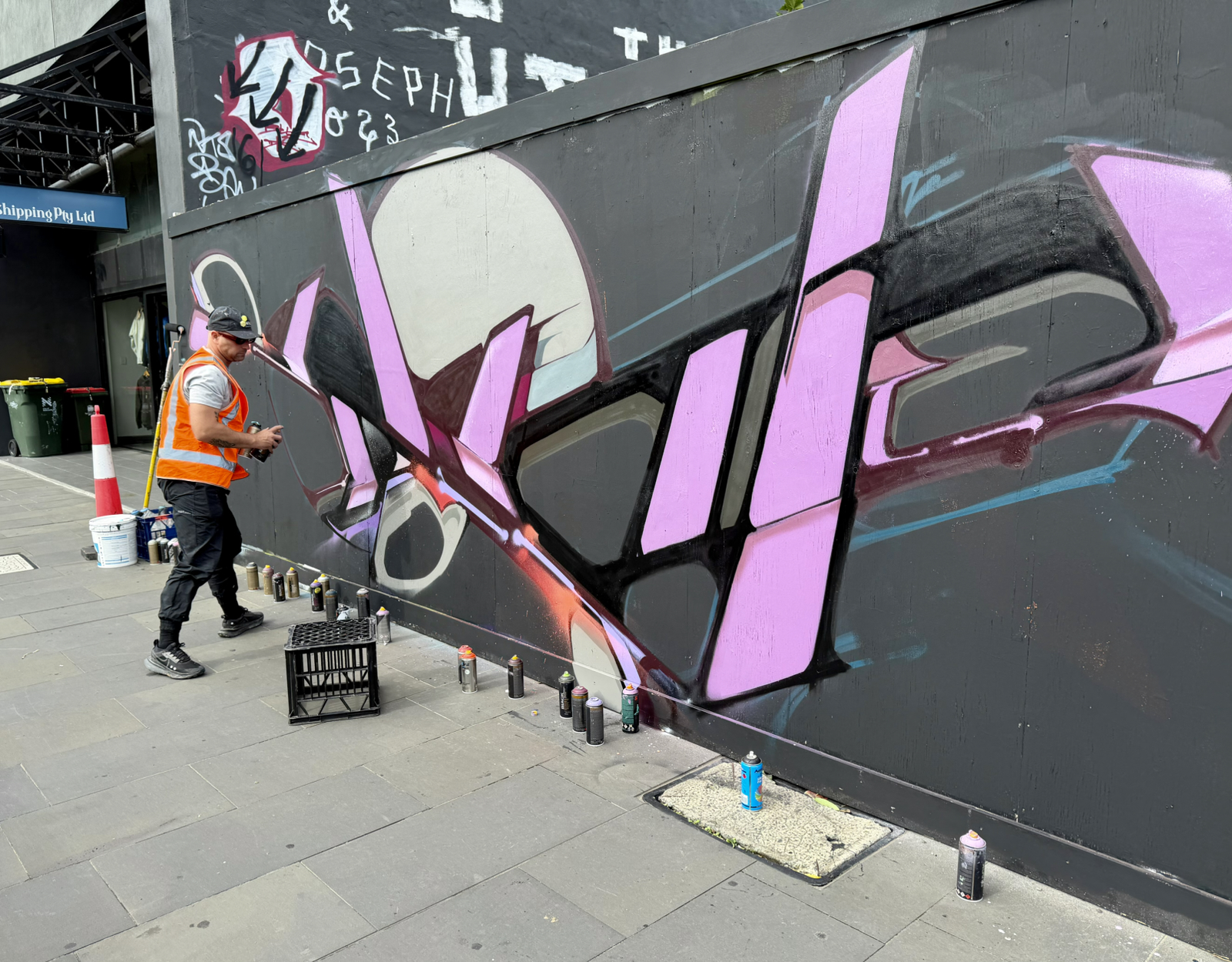
I headed into Newcastle, walking down Hunter Street as I do every year. Two men were painting a mural on a wall that I hope looks better finished than it seems it will. Most of the street remains a near-ruin and a sad ghost of what exists only in my memories now. Those days are gone forever, it’s time to let them go. But.
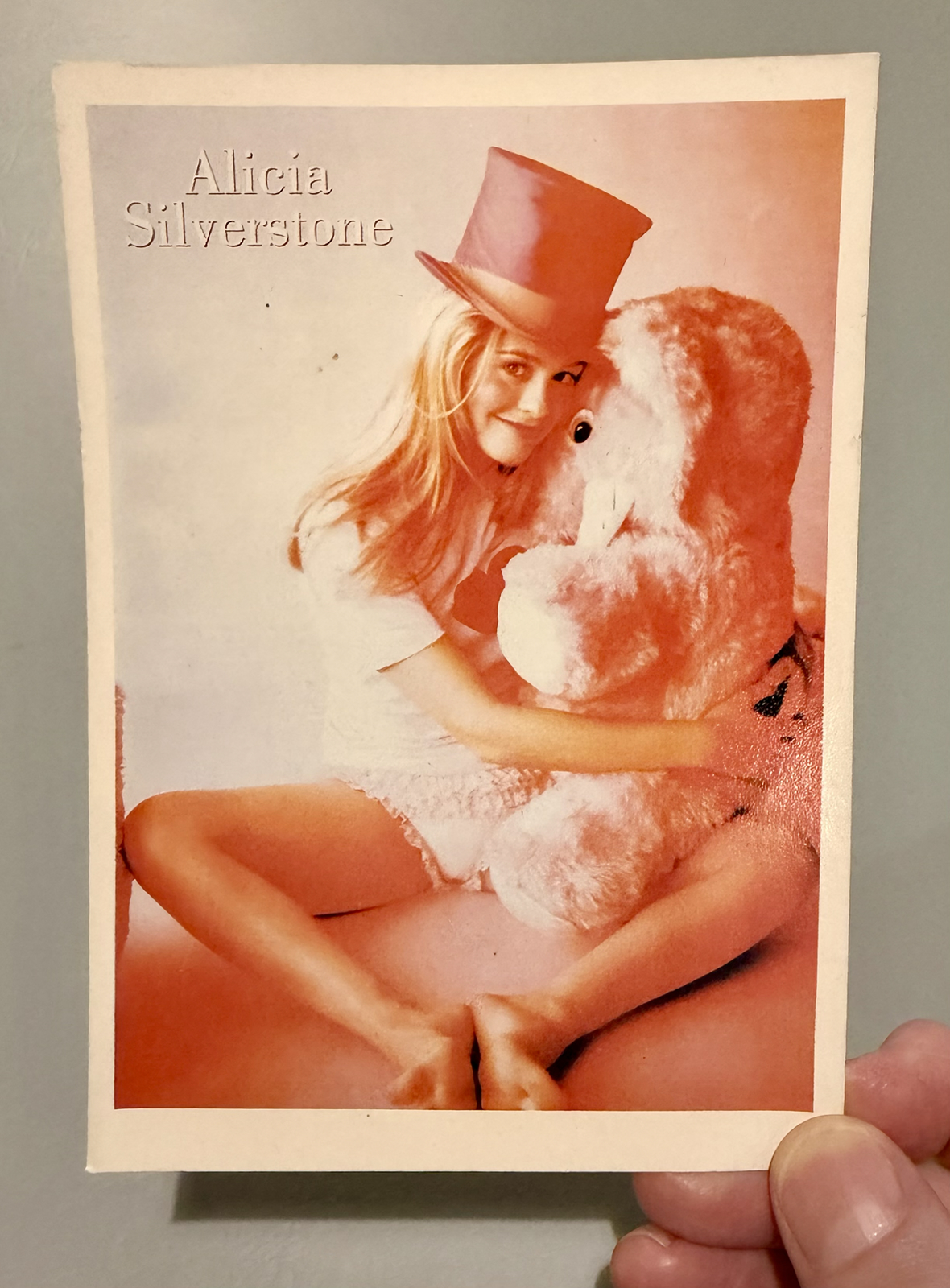
I bought a postcard at The Rock Shop. It’s so sun-faded it’s probably a crime for them to have sold it at the price they did, but more the fool me for buying. I had to interrupt the cashier who was debating the relative tastiness of fast-food chicken tenders with her friend. I probably should have given her my opinion (Oporto is best) but I didn’t want to seem weird because I’m actually very normal.
A man in civic park stood next to a sign warning owners to keep dogs out of the flower patch. His dog, busy destroying the flower patch, was on a leash so long I assume the man had appropriated it from a kite. The man himself resembled a gnome, and wasn’t much larger than his dog. He could have ridden it home.
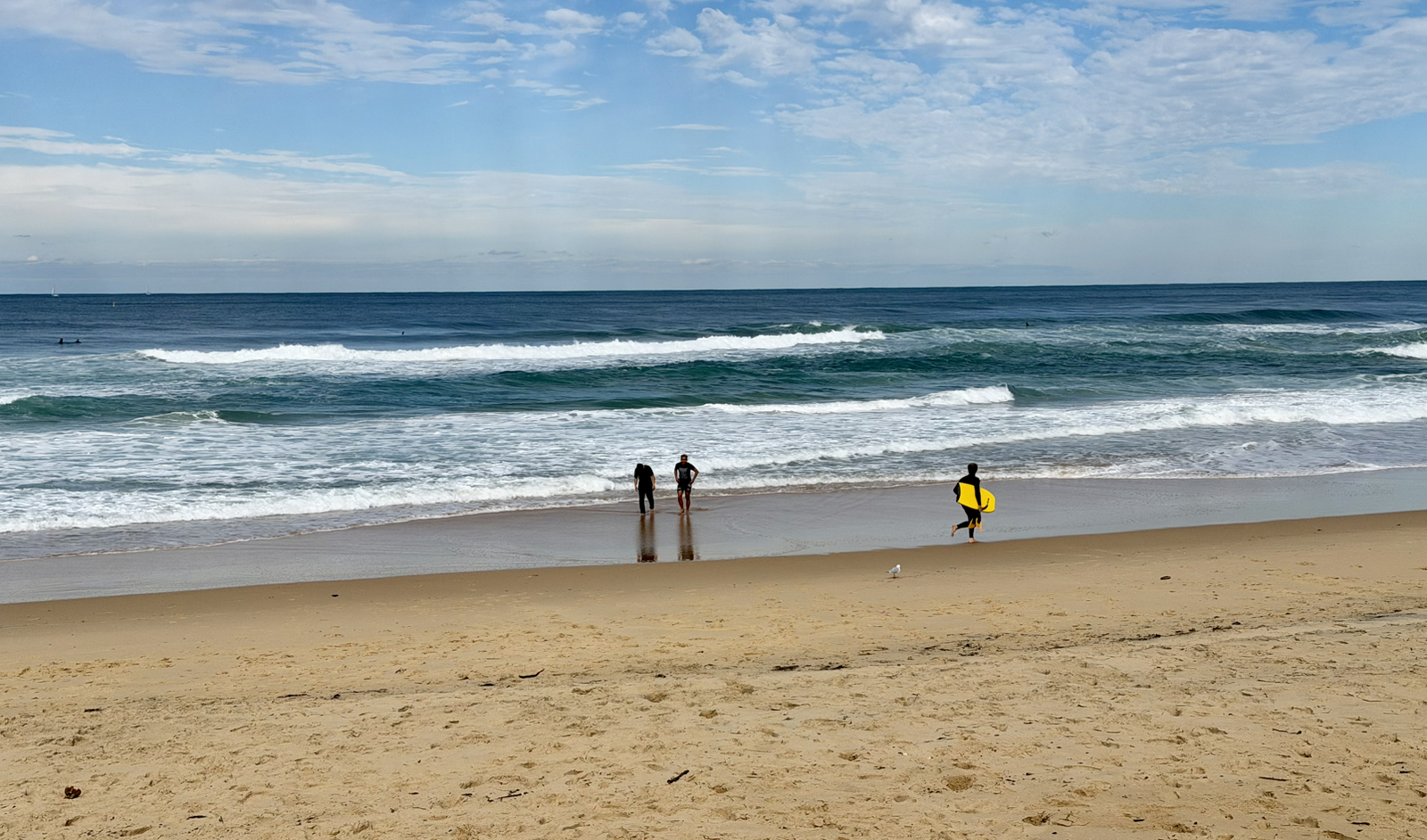
I hopped on the light rail to head to the beach, which was a fools move since I only traveled a single stop. The beach was pretty, but the waves were mighty and swimming was disallowed. Only a few brave surfers were out, and for the first time as far as I can recall I didn’t go down and touch the water. It was quite warm by now, and I was in shorts and shirtsleeves, wondering how sunburned I’d wake up tomorrow.
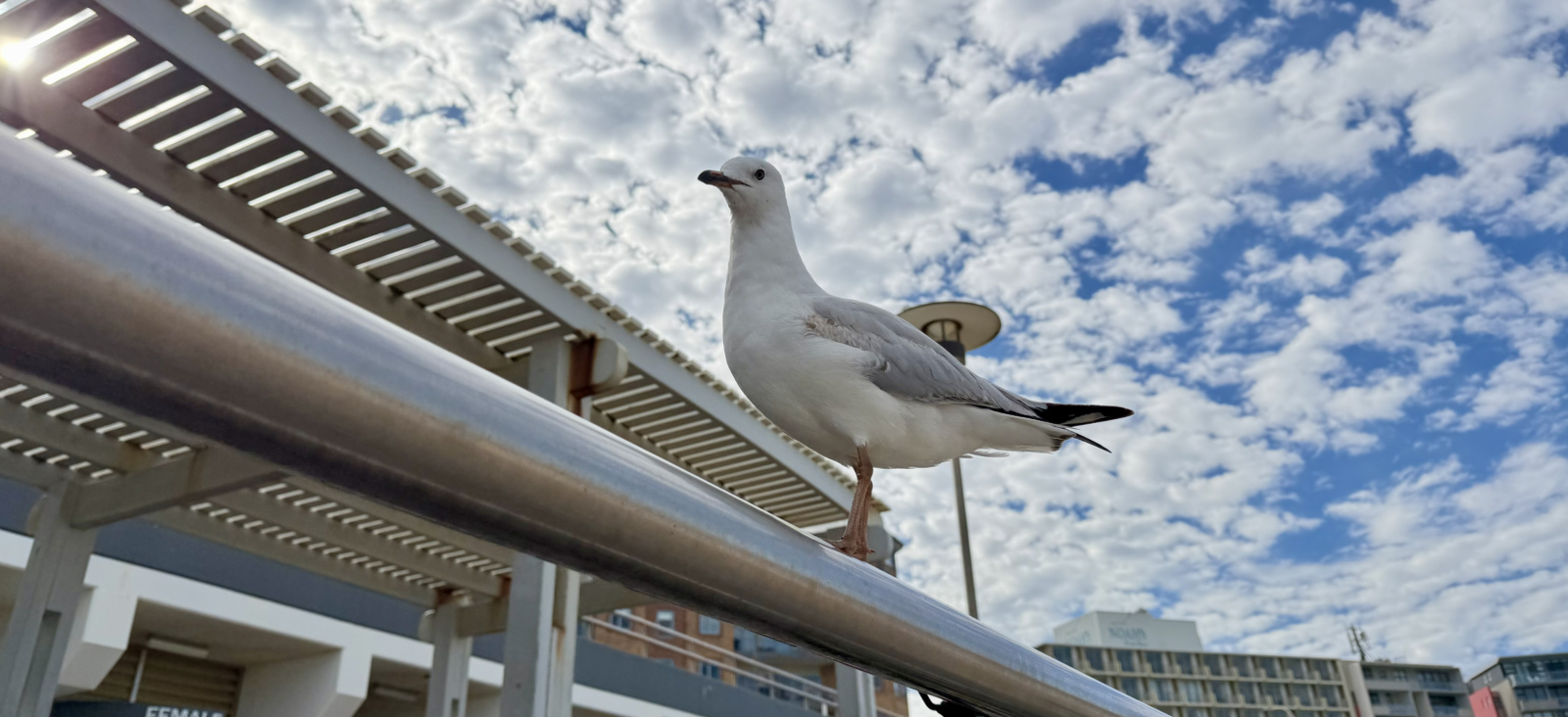
Gulls were everywhere sharking for man-food, but these days even the beachside kiosks sell only breakfast almost at the lunch hour. No chips for the birds today! I bid the feathery thieves farewell and headed back into town to my destination.
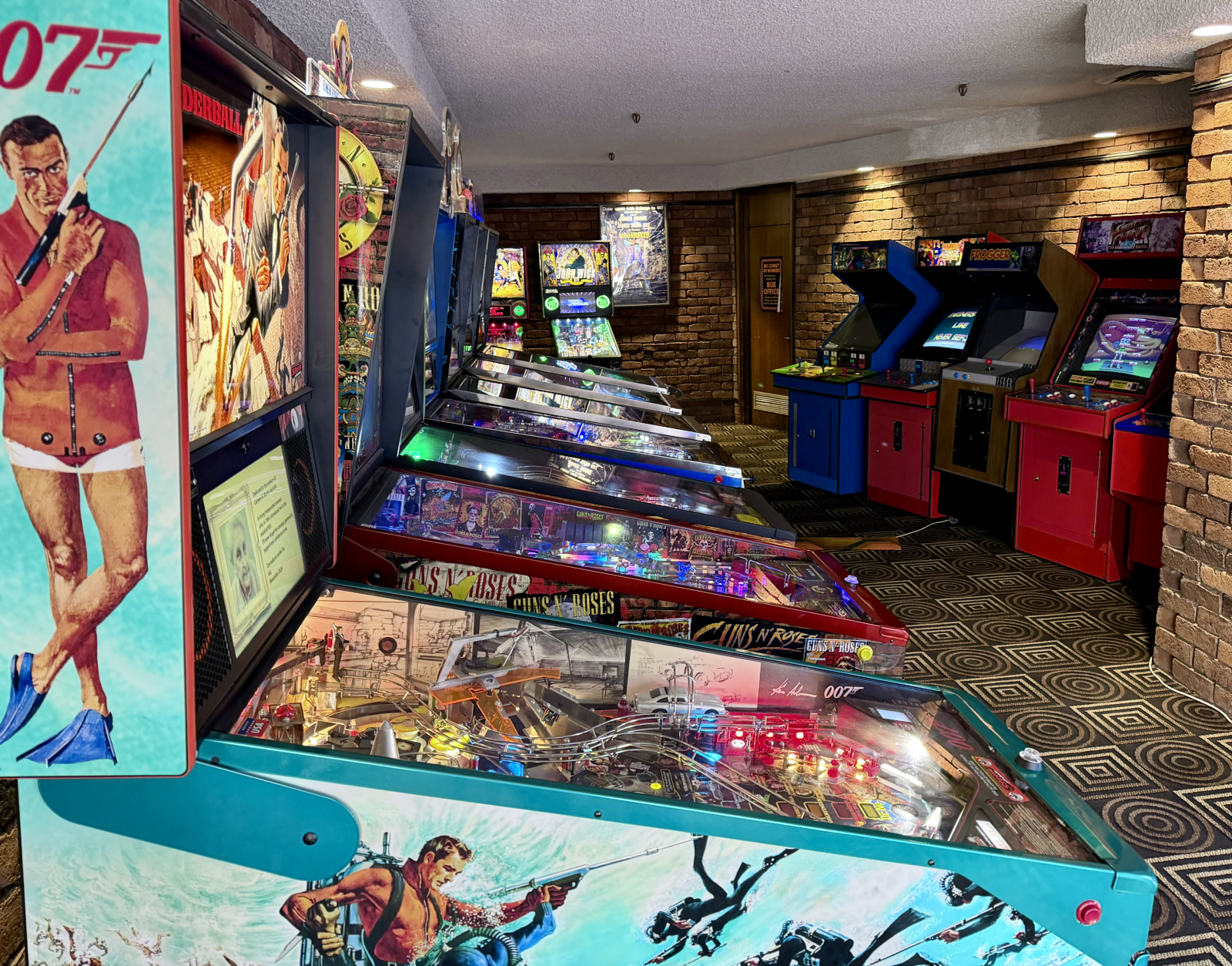
This was the Tower Cinemas, which has been renovated and reopened after many years of neglect. This is a wonderfully nostalgic place for me (and my ilk), since this is the very same cinema I saw almost every film of important during my formative years.
The ground level has a lot of pinball machines and a few old arcade games and I had fun playing a few of them, including the new Pokemon pinball. My score of 172,883,800 was just shy of the high score table which seems ok for a first try, but at $2 a game I wanted to try others.
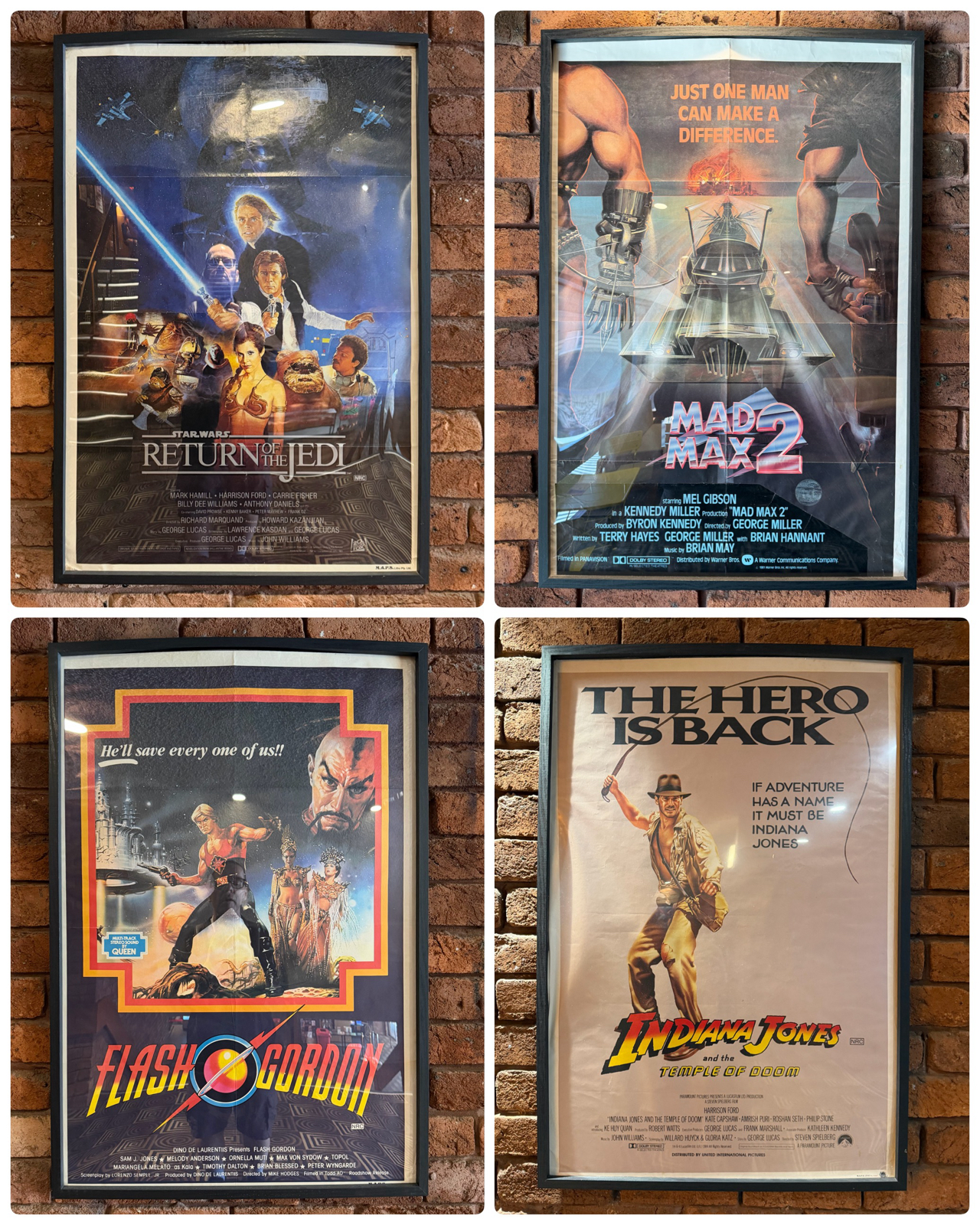
The interior of the cinema is largely the same as it was, with three screens over two levels. They’ve got an amazing selection of original movie posters hanging throughout which were great to see.
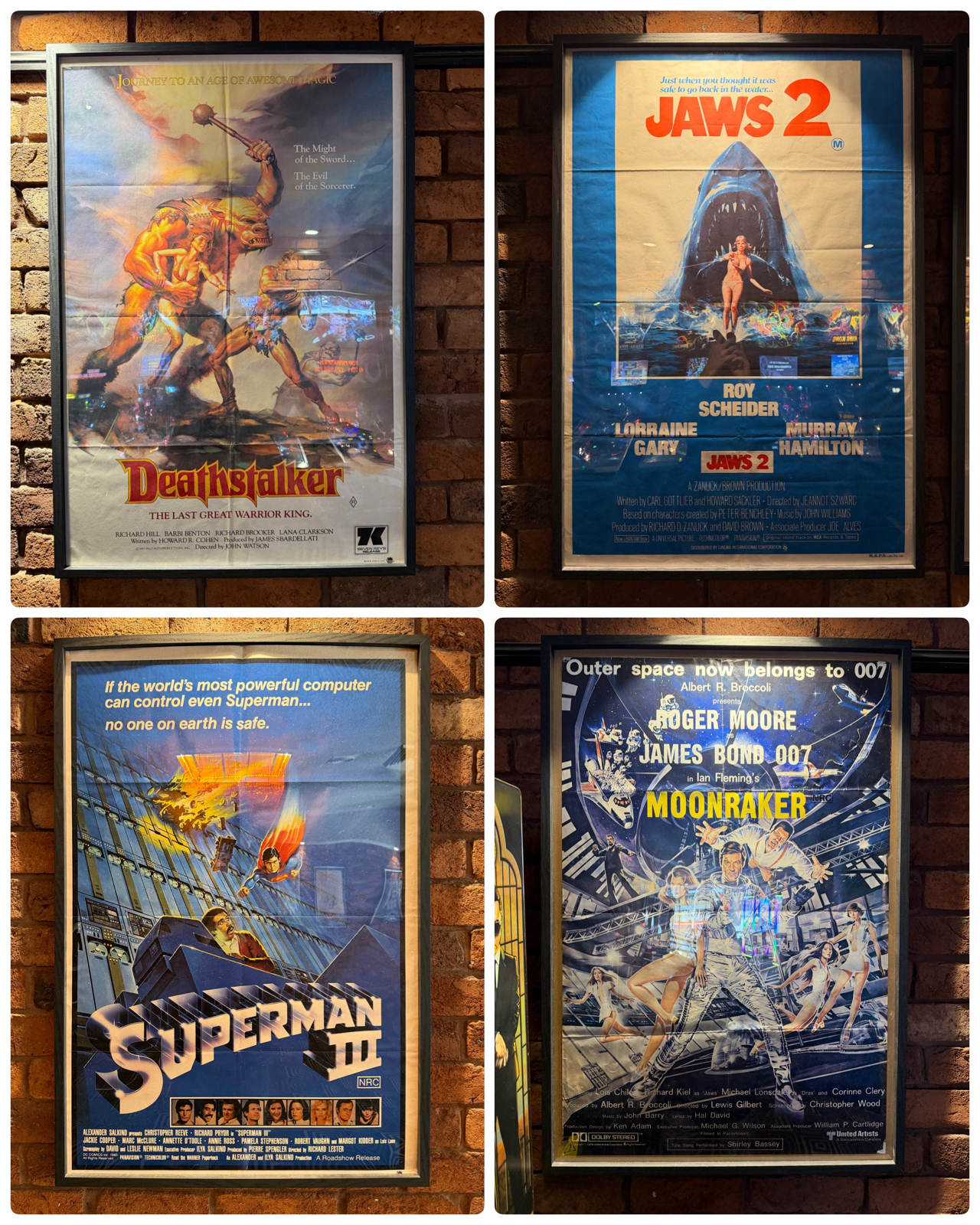
It’s very likely I saw all of these films at this very cinema, and I’d like to think these were the very posters they displayed at the time. The cinema also shows newer films, but they’ve got a busy schedule of vintage films that would make this place a regular destination for me if I lived here.
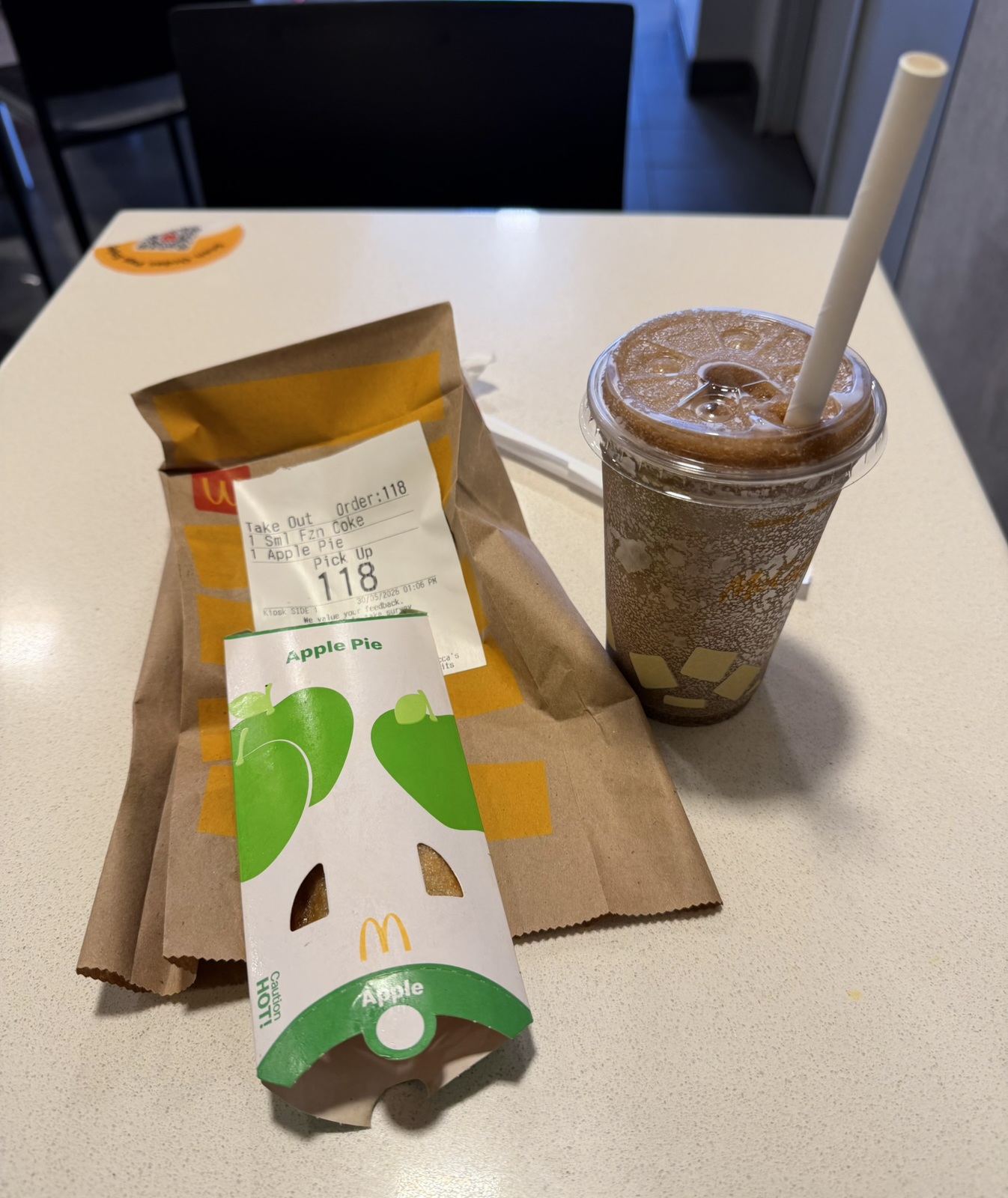
On the way back I stopped at Marketown McDonalds, since Sue assured me I only had a 50% chance of dying if I entered. I have become inured to the misery of this particular Maccas, so I was surprised when not only did I fall in love with the girl that gave me my order, but that I was able to sit and enjoy it without being murdered.
And yes, that’s my second frozen Coke of the day, although happily the freezer burn from this one only nearly made me pass out.
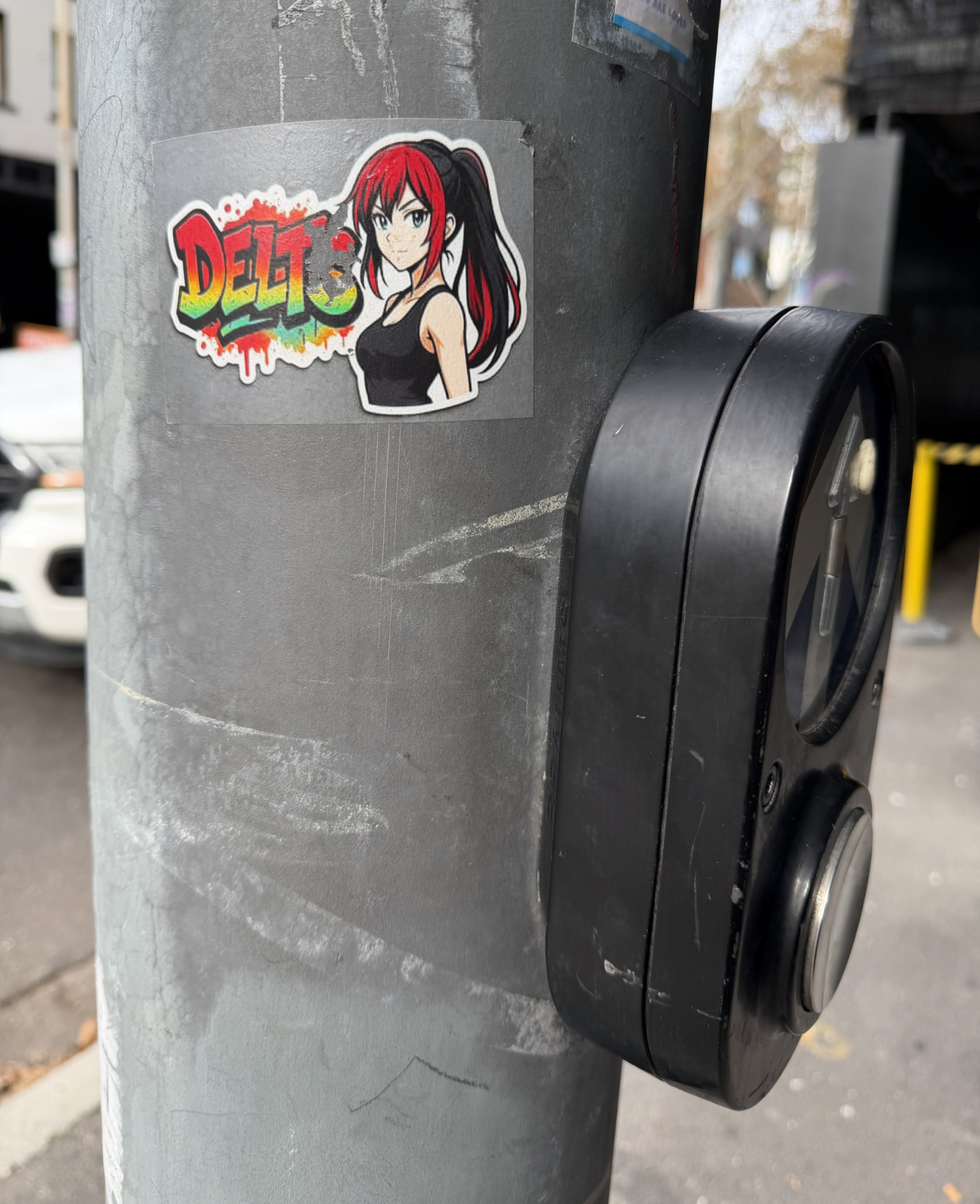
Before leaving Marketown I bought another giant bag of Toobs, which I immediately opened and ate as I walked through the side streets back to mum’s. A guy was painting his fence and looked at me querulously so I hid my Toobs, pulled the brim of my extremely fashionable hat down and hurried on. By the time I got back I was knackered; I’d been walking for about six hours.
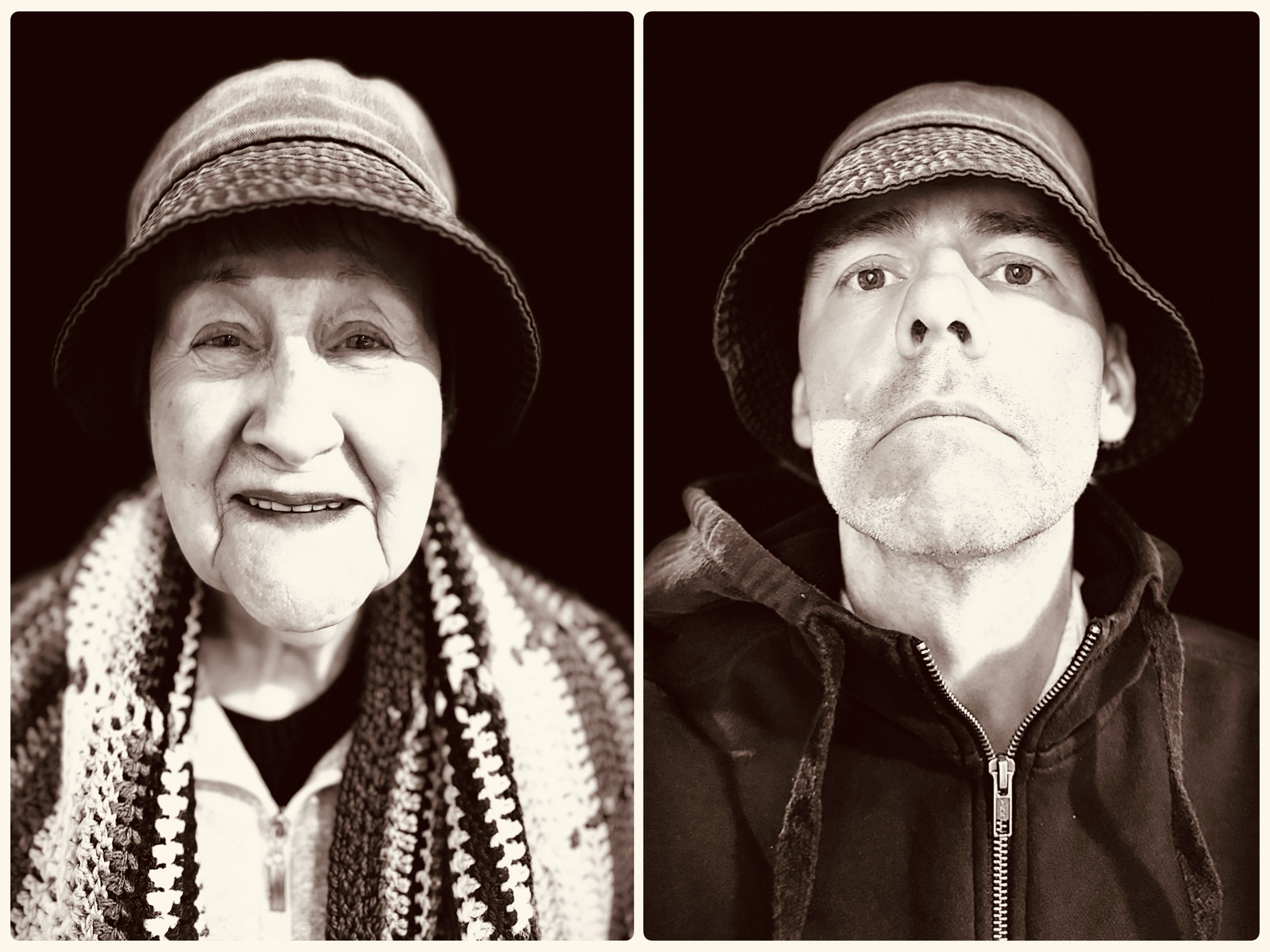
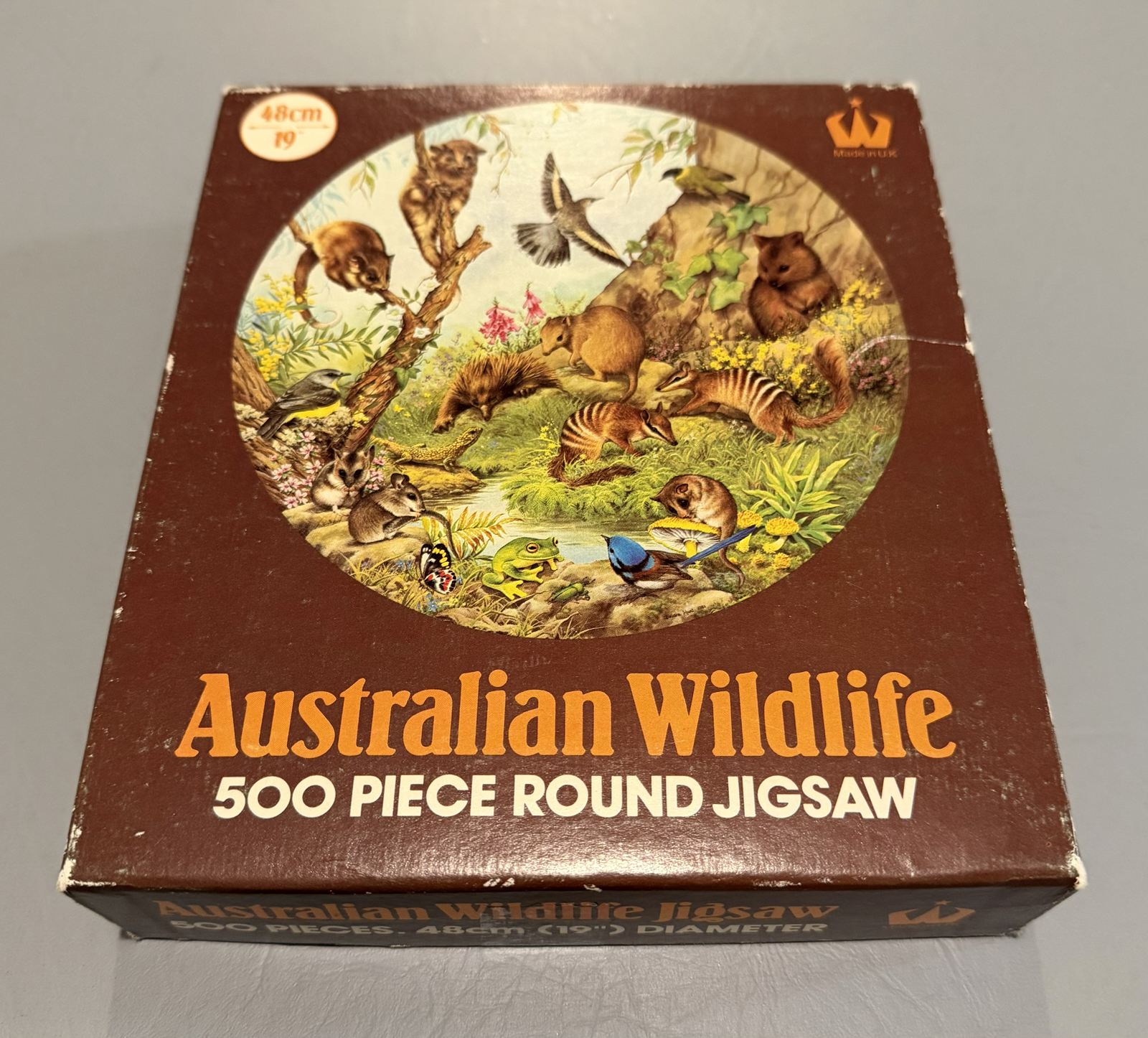
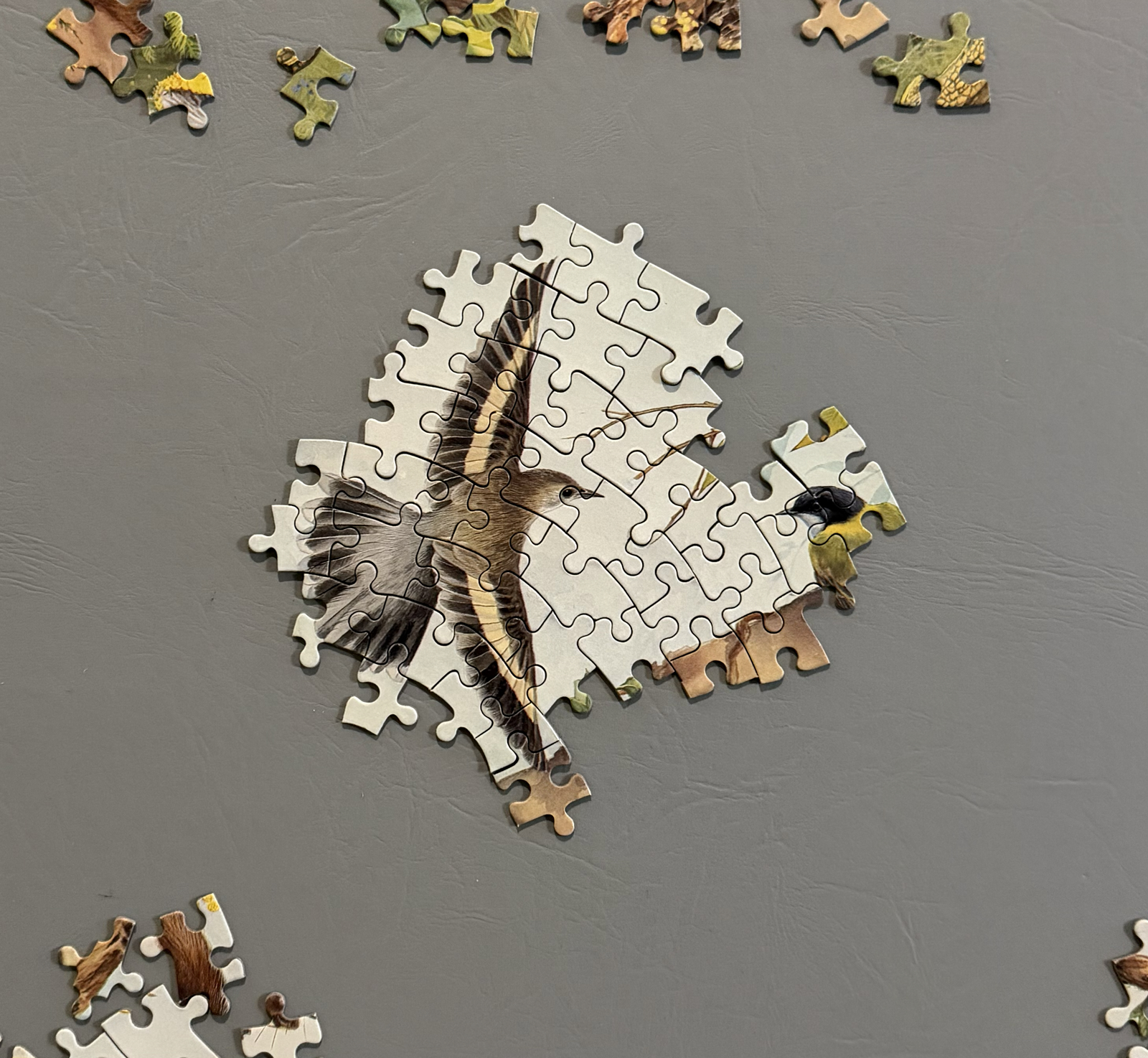
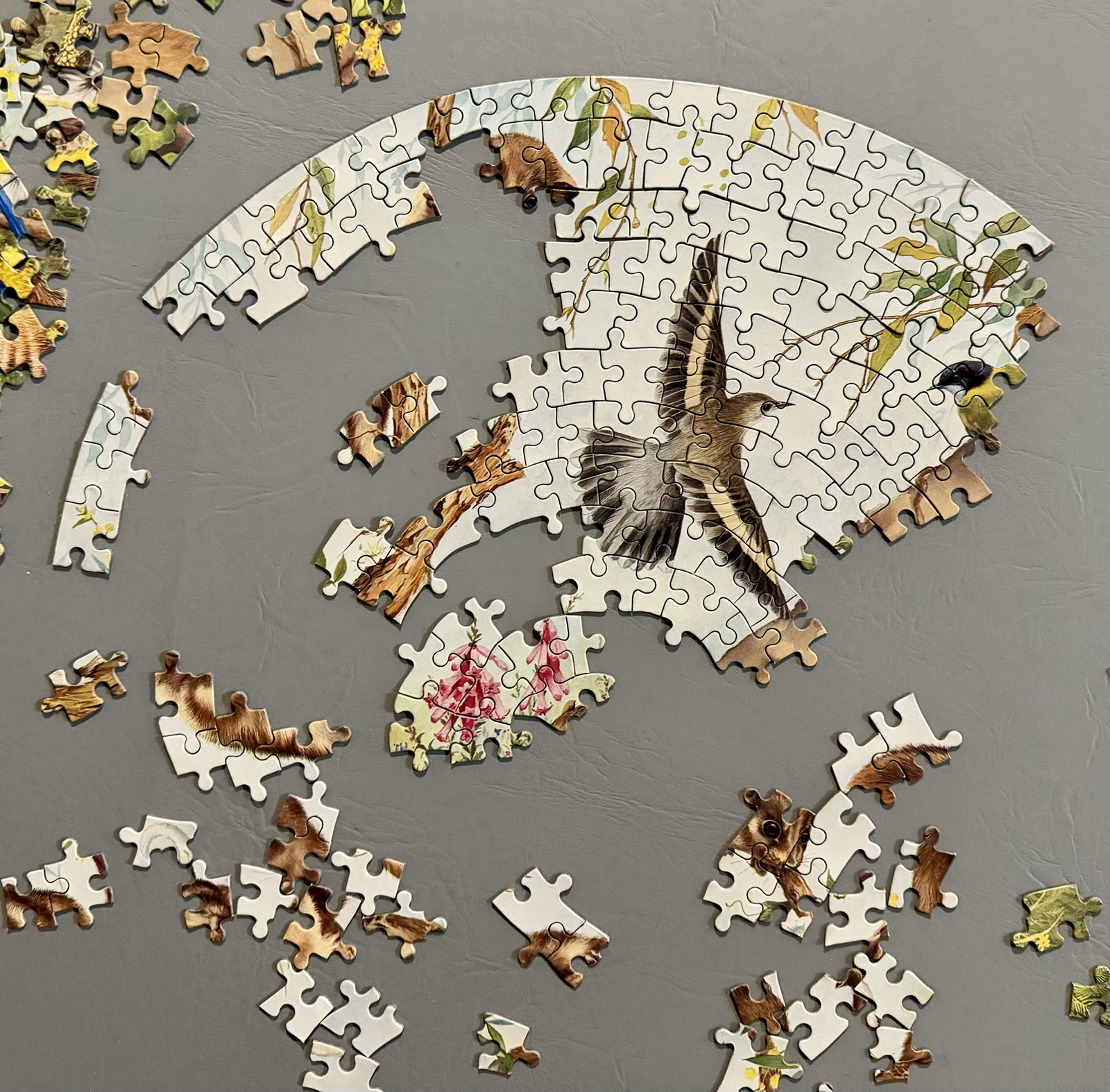
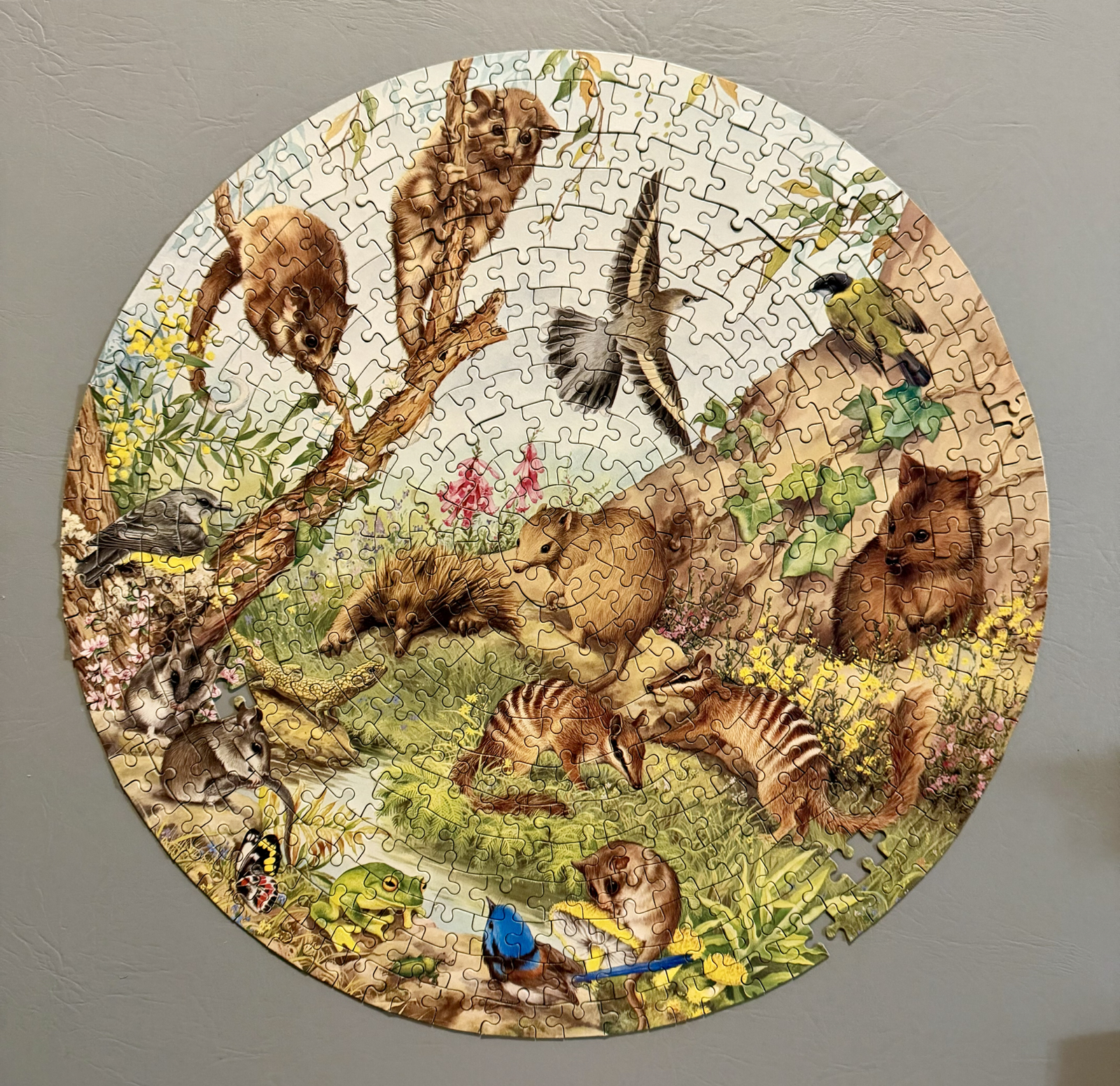
Here we both are, and don’t you agree mum looks a bit like Doctor Who in this photo? Tonight we’ll watch TV and I’ll write postcards and maybe even begin the other op-shop puzzle. It shall be a relaxing evening 🙂