Japan Pickups: Gamebooks

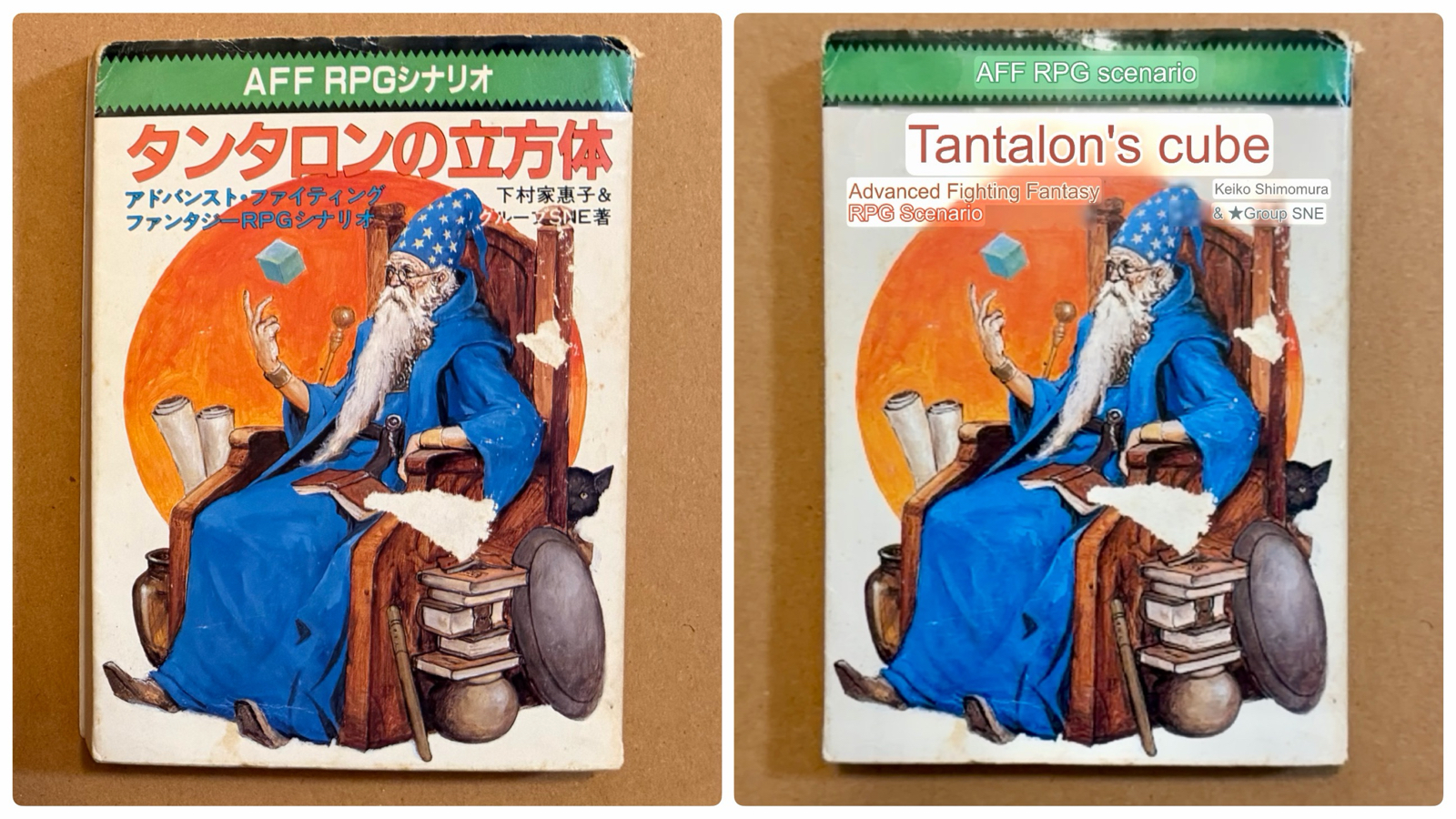
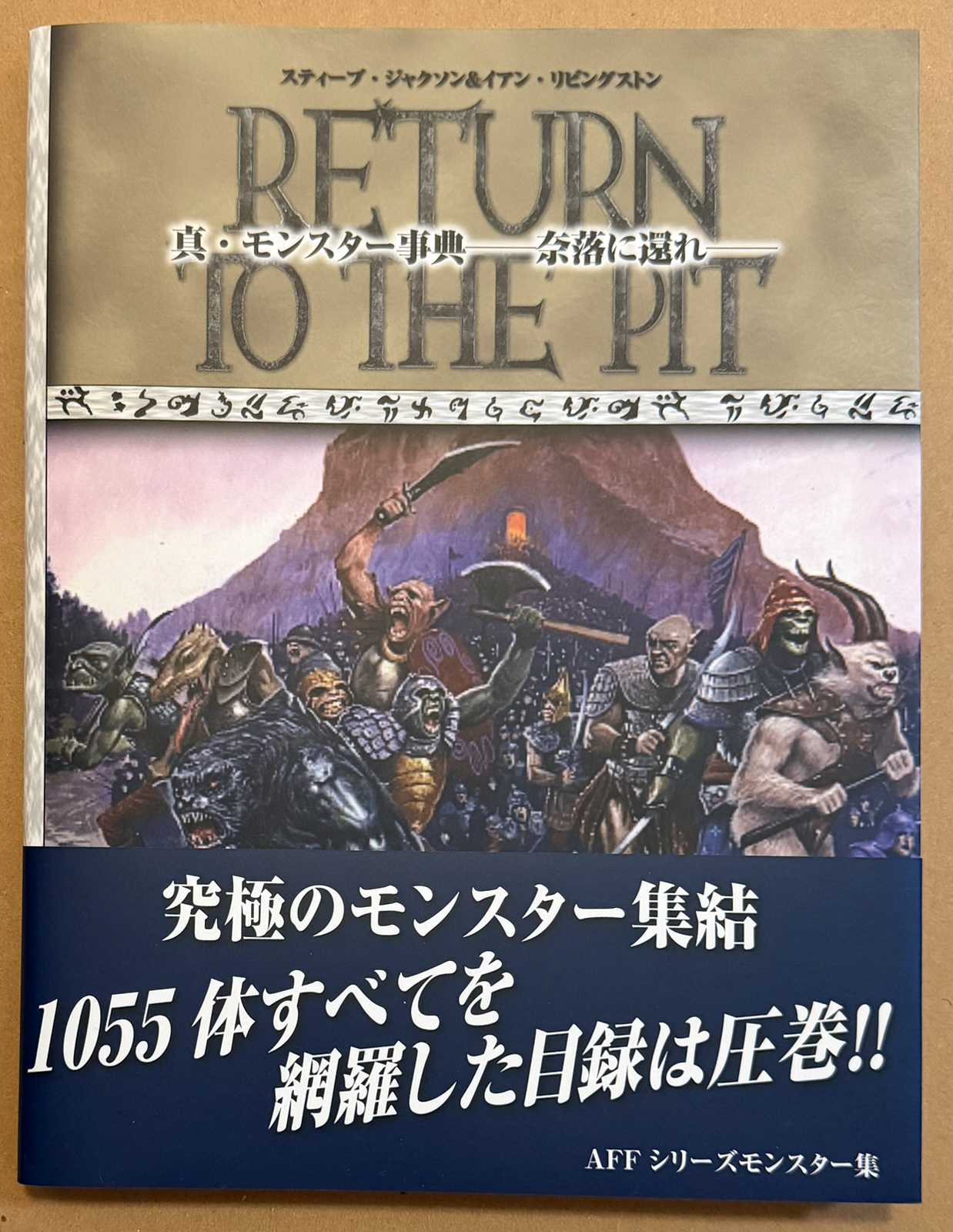
I bought the above four on this recent trip, which now takes my Japanese Fighting Fantasy collection to over 75% complete. These were purchased at Mandarake in Osaka, which is where I had the conversation with the Japanese collector, and I couldn’t help but note that each of the above cost more than the total cost of the four books he was deliberating on buying. I sympathized with him that people like myself were the cause of the prices of these books continuing to go up every year.

The Freeway Fighter is notable. The used shops in Japan bag all the books with notes about their condition. Usually these are simply things like ‘missing obi’ or ‘damage on cover’ or ‘writing inside’ but for this book it simply translated to ‘this is new’. I can believe this is literal, because the book is in absolutely pristine condition, especially for something 38 years old!

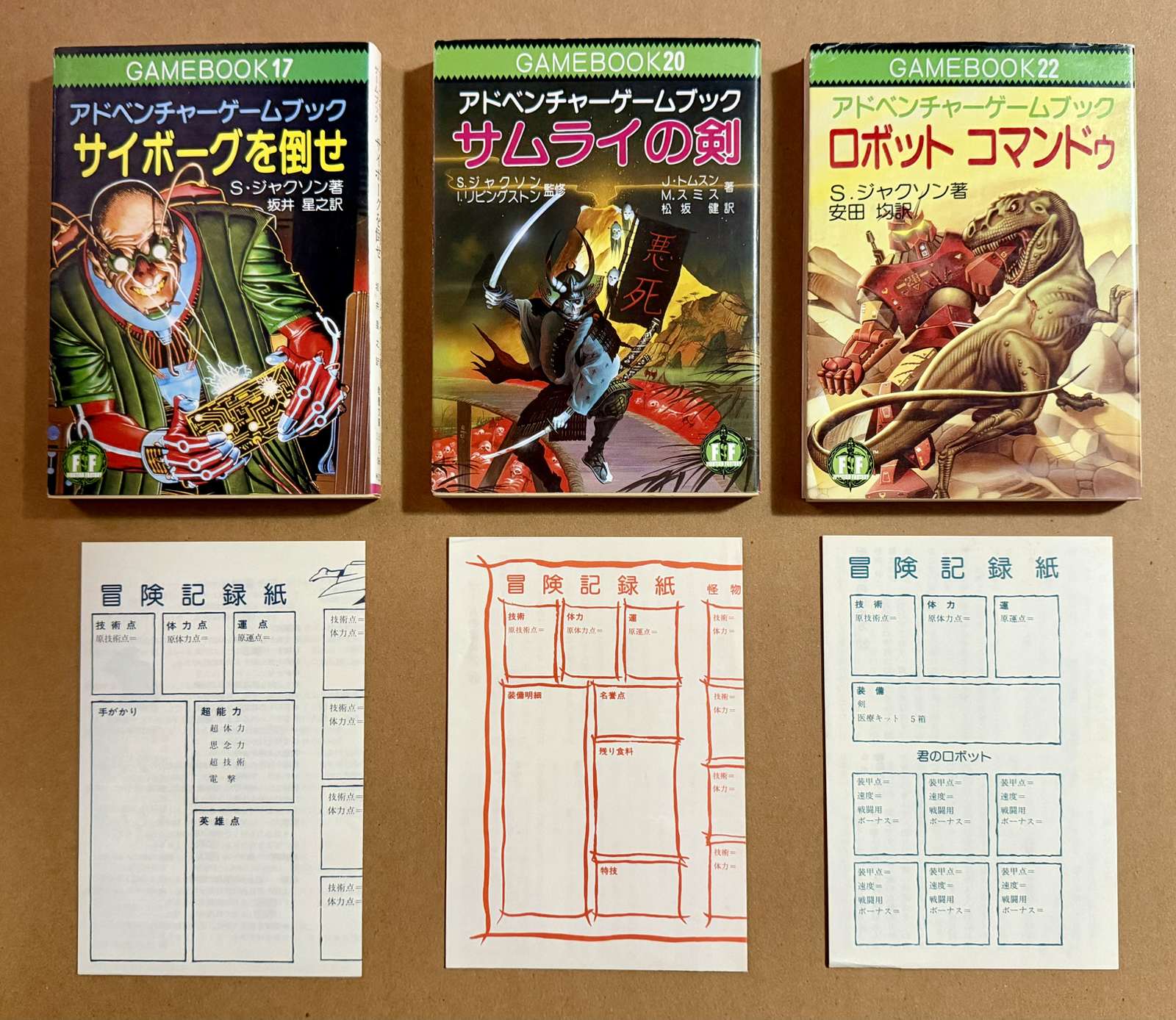
Incidentally all four of these contained their original unused adventure sheets. The same store had a second copy of Rings Of Kether without the adventure sheet that was ¥2000 cheaper, so I suppose that’s the ‘value’ of the sheet!

I also picked up the above 9 issues of Japanese Warlock magazine. I could have even purchased more (at another store), but I didn’t expect to find so many and hadn’t kept track of the ones I had already bought. I paid a pretty penny for these (about $25 each on average), and even the cheapest issue cost more than any I had bought on previous trips. I’m very happy that I bought large lots of this magazine before the prices started becoming unreasonable!

These are all in immaculate condition. When I first learned Japan had published their own version of Warlock I never imagined I’d ever see a copy: now I own 92% of the 63-issue run! I think completing the entire series is possible, since most of the ones I am missing are random issues from the middle years, which remain some of the less-expensive issues.

I don’t know much about this, except that it’s a Japanese version of a very limited and difficult-to-obtain recent (Australian!) board game based on Fighting Fantasy. This was a bit big and a bit heavy but also not very expensive (about $40) so of course I had to get it. I haven’t even opened it so that’s all I can say for now 🙂

Temple of Flame is the second in the Golden Dragon series of gamebooks from 1987. I’ve actually got a few imprints of this book, but this one was very inexpensive (only $2) so I couldn’t pass on it. To my surprise it came with a tiny insert about gamebooks!

It folds out into 16 pages of dense micro-font text with game reviews and previews and discussion of how to enjoy gamebooks. I would have loved something like this included with the books I bought as a child, and I’m happy it survived all these years and is now in my collection.

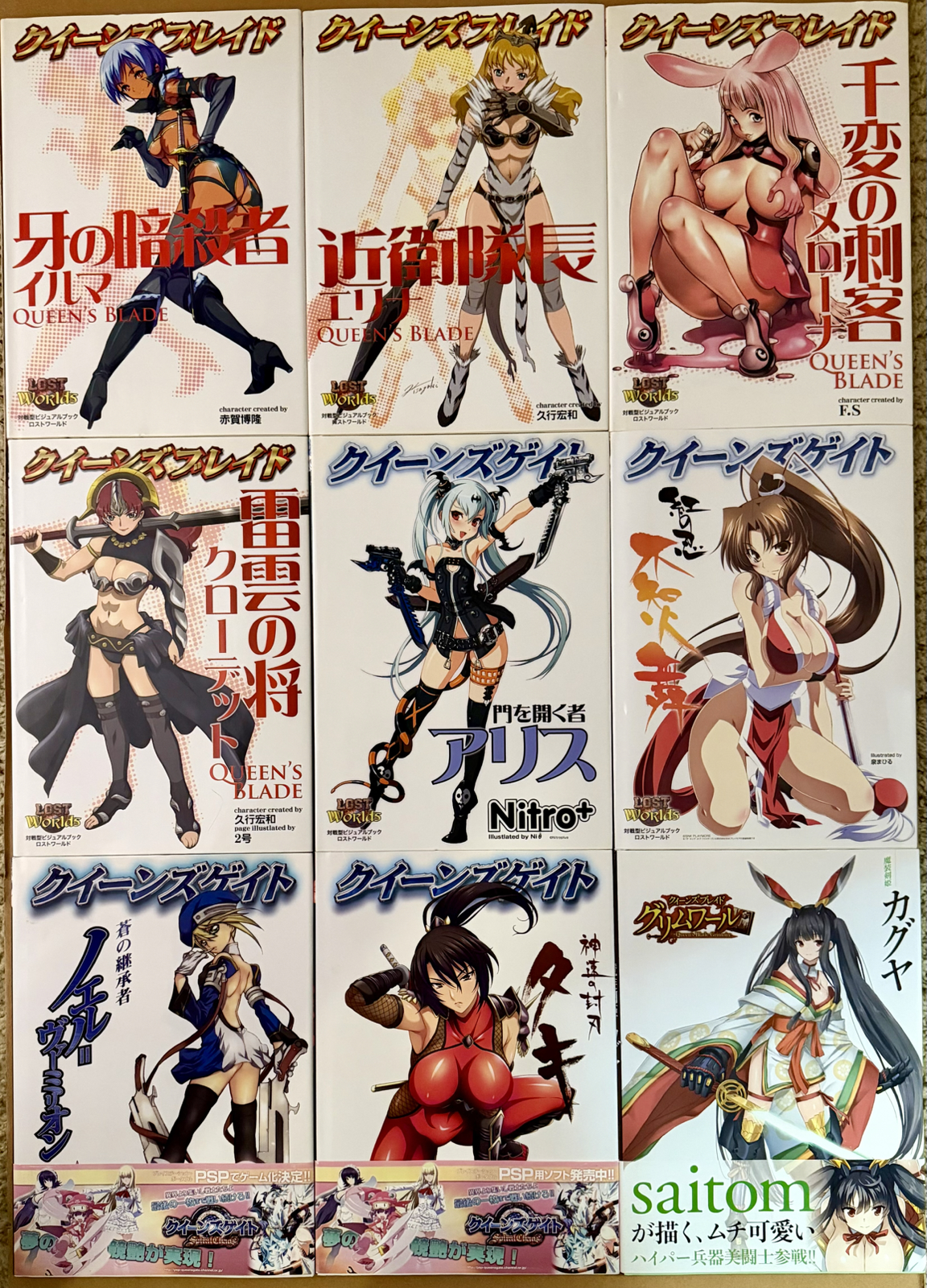
I bought the above four Queen’s Blade books this trip. Almost every trip I usually buy one of these, and I now have about half the entire series. This trip they seemed more common, and unlike many other gamebooks the prices seem to have gone down – I didn’t pay more than $6 for any of these four.

Queen’s Blade is a weird thing, derived from a western gamebook series (Lost Worlds) and yet having taken on its own identity in Japan. The books are attractive and if the prices continue to drop I may start buying more in the future.

I saw more gamebooks than on any previous trip. Not just old ones, but brand new publications as well (like the Mashle one above). I saw evidence of collections being sold – Surugaya in Osaka had maybe twenty different Lupin gamebooks – as well as a higher awareness on behalf of sellers of the rarity and collectibility of what they had, such as Dragon Quest and Gundam books that I’d previously seen – even bought! – sitting on shelves for under ¥500 now in showcases for many times that price. Many of these Japan-only books often catch my eye, but I usually move on since I have no history with the series. This trip was the exception.

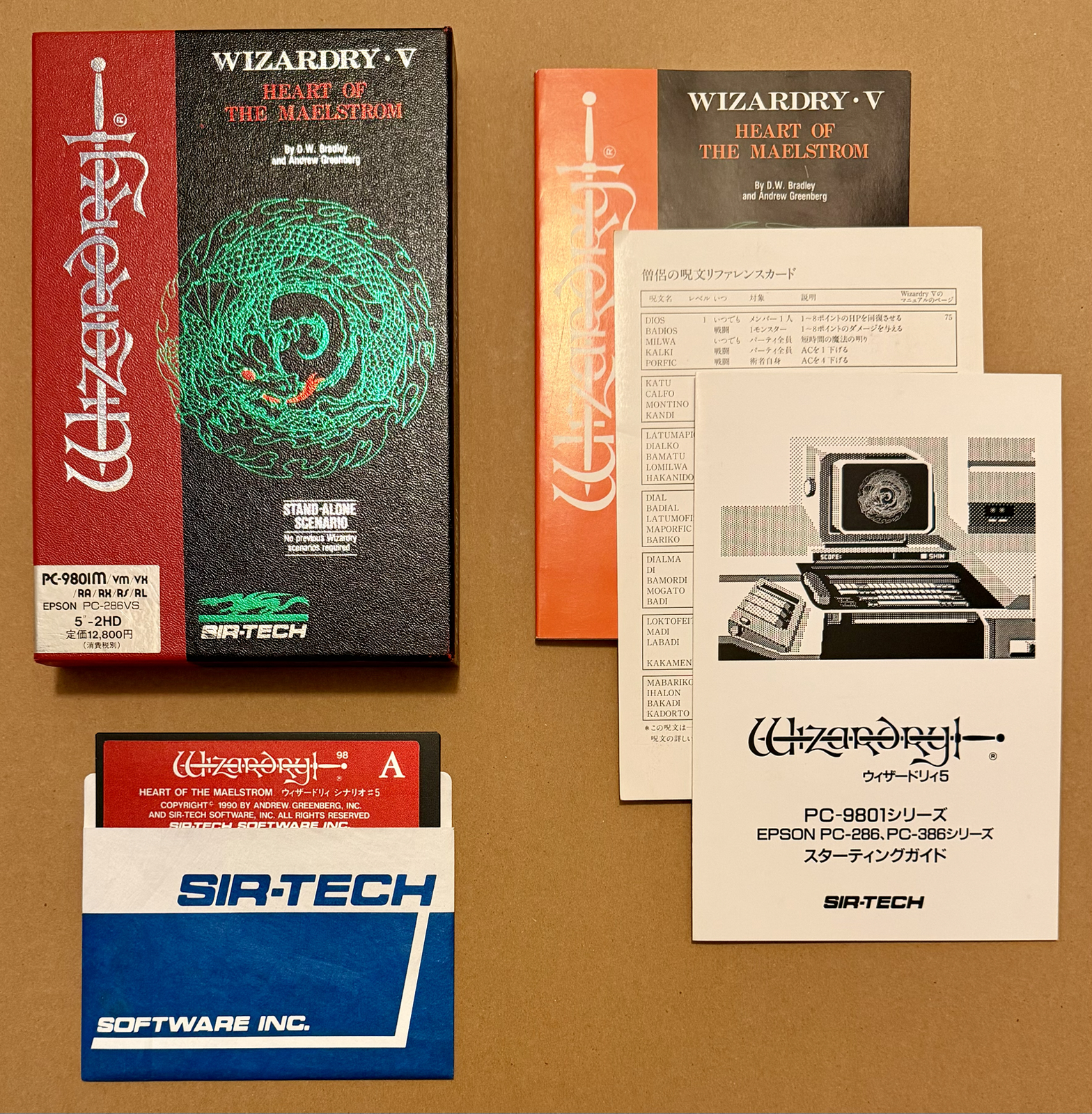
The above were in a showcase in Surugaya in Akihabara. I had bought a Wizardry item from the same case (it’ll be in the next post) and something about these books intrigued me. There’s precious little information online but I determined this was the complete three-book ‘Sexy Game Book‘ series from 1986 and that they are rare and sought after. While they were expensive I’d never seen them before and doubted I’d ever see them again, so I bought all three!

Astonishingly, this is a combination of gamebook and gravure pinup. Almost every entry has a photo – many in colour – and the stories feature monsters in real-world settings and seem to be evocative of something like Kamen Rider or other 1980s Japanese science fiction. The books are written in first person and despite the imagery seem to have a serious tone.

They’re also, to use the Japanese word, ‘ecchi’, which means they contain (tame) nudity! These are extraordinary books, obviously for adults, and are evidence of how big the hobby was in Japan in those days. I doubt I’ll ever own anything else as unusual as these, and I’m happy to have them in the collection!

It Always Ends In Akihabara

Yesterday, after Borderless it was time for our final Akihabara shopping binge to fill what little room remained in the suitcases.

Much like the Fighting Fantasy collector I spoke with in Osaka, I unexpectedly had a conversion with another local about another otaku topic! It was interesting enough I’ll save the details for a future post.

The last postcard has been sent. Almost all those stamps I purchased what seems like forever ago now have been used, and I know the cards have started to arrive. There’s more on the way.

We’re now at the airport just about to board. It’s another very long trip home (over 24 hours) but it’s not something we haven’t done many times before so we’ll be fine.

Signing off on another travel blog. Hope you enjoyed it.

Borderless

Yesterday we went to the newest installation of the art collective Teamlab. This is the new version of the ‘Borderless’ attraction I visited six years ago, now bigger and in a new location.

Photos hardly do this place justice. It’s a large series of interconnected rooms, each themed around art made with light and sound. The first room for instance has velvet walls and a carpeted on which flowers are projected. They move and change continuously and you are surrounded with them.

The second room is the largest and contains a rock on which water continuously falls and flows down into the room. Flowers occasionally bloom and float away, and birds fly around the room in wide arcs. It’s not real of course, just projected, but it is very convincing and reacts to people as they move around inside the room. For instance I went and stood atop the rock and the water flowed around me.

We’ve been to other Teamlab attractions before so the basic technology didn’t dazzle us as it does the first time, but it’s still extremely impressive how the projectors work in unison to create seamless worlds hardly disrupted by people walking around inside them. This being the latest Borderless, it seems the tech had received an upgrade as well and the amount of elements moving around seemed to have increased.

The above room was a forest of mushroom-like plants which you could sway and move around under. As you walked through the room they became shorter until they were only knee-high and you walked through them. It was very cool.

This was a room with strings of lights handing down from a high ceiling. I’ve been in similar before, but the light density was higher here and they cleverly used the strings to move 3D objects around inside them. Think of each tiny LED being a voxel and you can (almost) imagine how cool this looked.

The room full of lanterns at the old Borderless had received a significant upgrade and now contained mercury lamps with LEDs inside that pulsed between various colours. The above photo may be difficult to interpret: it’s a room with the walls, floor and ceiling mirrors with these light gloves suspended from the ceiling. Walking around inside was dazzling.

They had a cafe inside where you could buy cups of tea. As with all the other rooms, it’s mostly dark inside but once the tea was placed on the table in front of you flowers bloomed inside. This was of course achieved by projectors in the ceiling but we quickly determined it wasn’t a fixed location and the projectors ‘found’ the cup no matter where you put it. Even better, if you let the flower bloom a little and moved the cup the flower would explode into petals and drift away while a new one formed. Once you drunk the tea the effect ended, which still puzzles me: how did the projectors know the tea was gone? This was impressive technology.

For both of us the best room was one containing a gigantic spaghetti-track on which reflective spheres slowly moved around on. As you walked through and around the track the globes pulsed through different colours. The music and lighting and weird little spheres gave this room an alien vibe, and it was like nothing I’d seen before.

This is a very popular attraction – near mandatory for tourists since it’s quite unique – and we intentionally arrived at opening time (8:30 am) to avoid the crowds. This worked and there were very few people in each room when we entered. By around 10 the crowds had caught up, and you can compare the above pic with the second one in this post to see the difference (both in crowd size and the display in the room).

I agree with the tourist guides: if you’re ever in Tokyo go to one of the Teamlab attractions. They’re wonderful and worth your time.