Category: The Unknown

Monsters In The Woods

I recently learned of a folk history of nonexistent wild animals in the area of America in which I now live (the Northeast). Apparently in the 1800s and early 1900s lumberjacks in this part of the world would entertain each other around the fire with tales of ferocious beasts inhabiting the woods, and these tales would in time be spread across the continent, continually modified and embellished with the telling.

The beasts in the tales are distinct from cryptids, since (it seems) few people ever believed they were real. They were more the inhabitants of fairy tales told by grown men, and in some ways this makes them even more curious. Various writers chronicled the beasts in the tales, and some (such as the Jackalope) have become well-known to people even today. But until I read about these recently I had never heard of the majority of these ‘Fearsome Creatures’ (after the 1939 book by William Cox).

Here’s a few of them:

The dungavenhooter was a lizard-like creature that had no mouth but enormous nostrils. It was said to prey on drunk loggers in the state of Maine, and would beat them to death with it’s long powerful tail until their bodies turned to gas, at which point it would inhale them for sustenance! Perhaps this tale was intended to be a deterrent to drunkenness?

The gumberoo was a large creature of the deep woods, often mistaken for a bear. It had incredibly strong, near-invulnerable skin and was voracious, eating almost anything it could fit in its mouth. It was said they could be killed only by fire, and some legends said they turned to fire when they died, which explained forest fires.

The hodag was a chimeric beast with parts from many others: part frog, part elephant, part dinosaur and spikes all over it. This beast ranged in Wisconsin, and was said to be extremely ferocious for it’s relatively small size. In 1893, a local prankster hunter actually killed one (the photo above was printed in a newspaper) and after doubts emerged of the legitimacy of the corpse three years later he caught a living hodag and exhibited it at a state fair! Alas, it was soon revealed to be a hoax. If the hodag exists, it hasn’t been seen since.

The squonk was a small and lonely creature that lived in the forests in southern New York and northern Pennsylvanian (not far from here then)! The squonk was apparently so embarrassed by its ugly countenance that it spent its life hidden and crying in shame. Hunters reported that when cornered the animal dissolved into ‘tears and bubbles’! What an unusual beast.

The snallygaster was a dragon-like creature that inhabited the hills and valleys of northern Maryland. First reported in the mid 1700s, a series of sightings in the early 20th century led to a mini-hysteria to determine what this gigantic cyclopean metallic birdlike creature (sometimes with tentacles) that had actually eaten humans (although this was unconfirmed) actually was. The Smithsonian became interested, and it was reported that no less than Theodore Roosevelt himself became interested in hunting it. Or so it was said, although much like ‘reports’ of many of these creatures these claims too were part of a hoax to sell newspapers.

This is just a tiny example of a menagerie of strange beasts that once walked the imaginations of Americans. In the days when the forests stretched forever and the nights were dark, it must have been easy for a frightened woodsman to imagine that strange call in the deep woods coming from a glawackus, or a hudag, or even a wampus cat.

If you’re interested in more examples this wikipedia article is a good start.
Australian Squirrels

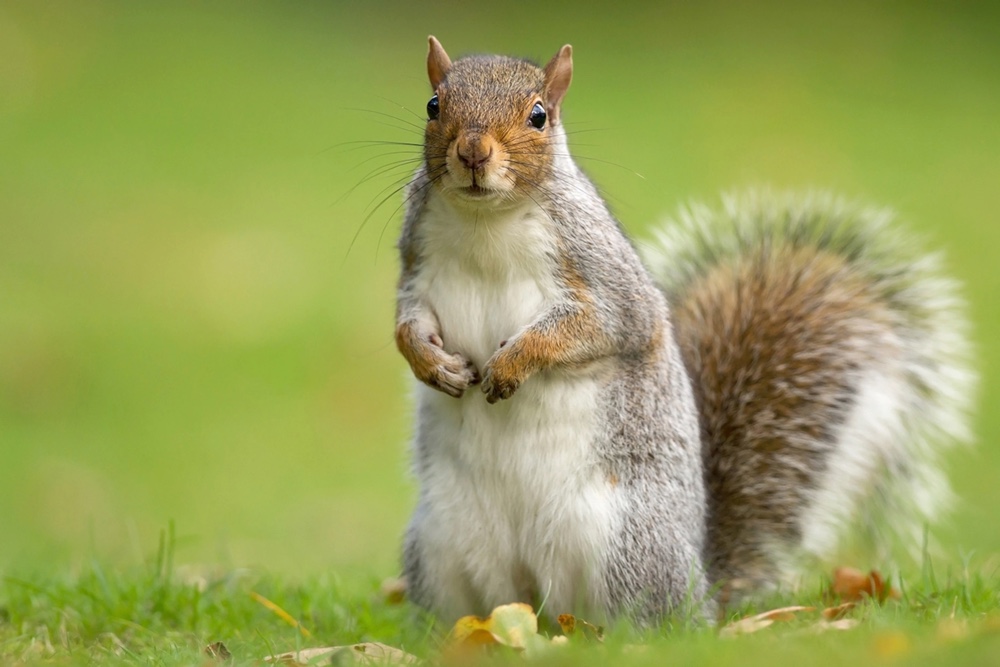
I was doing some research for lecture preparation the other day and learned something I never knew: Australia has had squirrels! And there’s a small chance the country still does…

Grey squirrels (the same ones common in our backyard!) were introduced into botanical gardens in Melbourne in 1880, and Ballarat in 1937. They spread into surrounding suburbs and gardens but were never truly successful, and apparently died out within a few decades. It’s possible the last remaining grey squirrel in australia was a pet which lived for 9 years (and was fed breakfast cereal)! I can’t find much information about why they died out but it may have been a combination of a small initial colony, lack of suitable food, competition from possums and natural predation (including from lizards and birds).

Needless to say this experiment will never happen again, as grey squirrels (along with all non-native mammals) are prohibited from import into Australia.

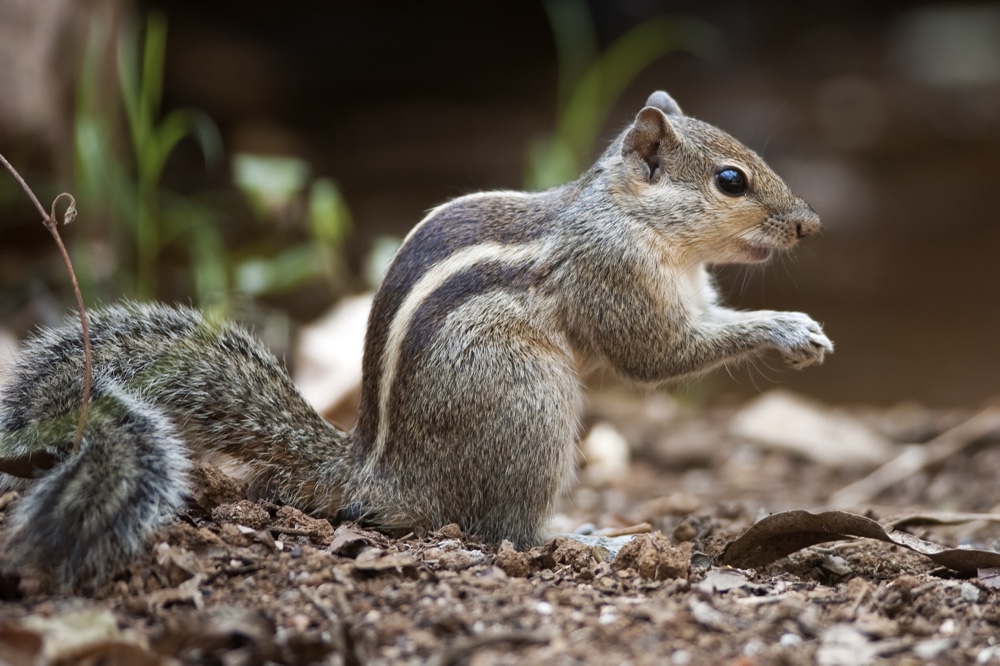
The case of the Indian palm squirrel is a little more surprising. Along with several other species (including fish and birds) these little guys were introduced into Perth in 1898 to make the area more livable for colonists. Almost none of the introduced species survived, but palm squirrels established a thriving colony in the grounds of Perth Zoo.

There they lived for over 100 years, being popular with visitors and a tasty snack for the zoo animals (there are accounts of the squirrels being eaten by monkeys, brolgas and leopards). The squirrels slowly spread out from the zoo into neighboring suburbs, a golf course and a high school and it has been estimated that the colony contained at its peak about 1000 squirrels. Some were even imported east to set up a similar colony in Taronga Zoo (in 1920) but these died out within 50 years due to predation and because the squirrels were frequently caught in the traps set up to control rats.

By all accounts the squirrels in Perth were quite popular – especially at the school – and well known by the locals. But the squirrel was eventually deemed a threat to native wildlife and agriculture, and about a decade ago an eradication program was initiated. This was very successful (apparently they’re easy to catch) and within three years the squirrels were reduced to ‘undetectable levels’

It’s not known if they’re truly extinct in Australia, but if any still live their numbers are likely too small to allow the colony to survive.

So there you have it! Australia did have squirrels, and for over 100 years at that!

Now about the reports of errant ghost kangaroos in the USA…

Ronald

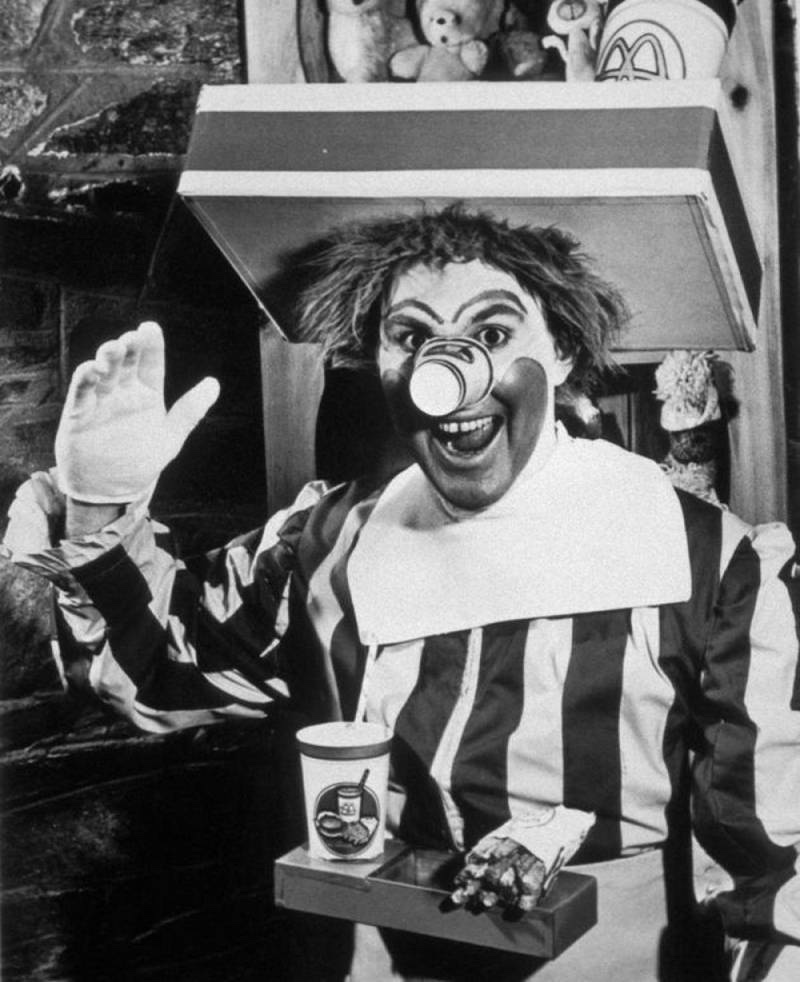
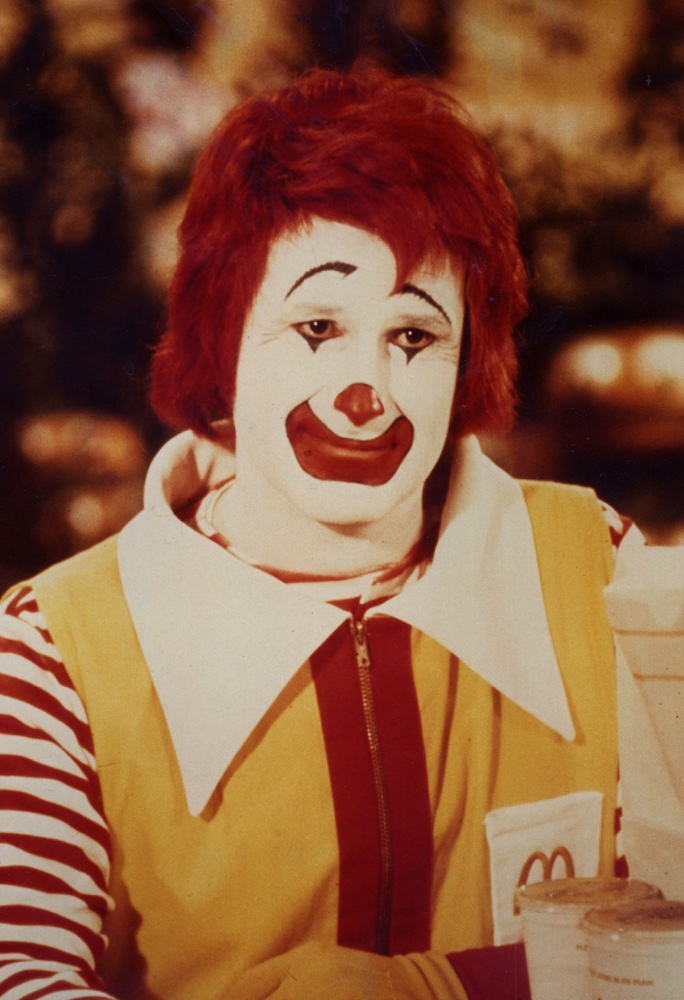
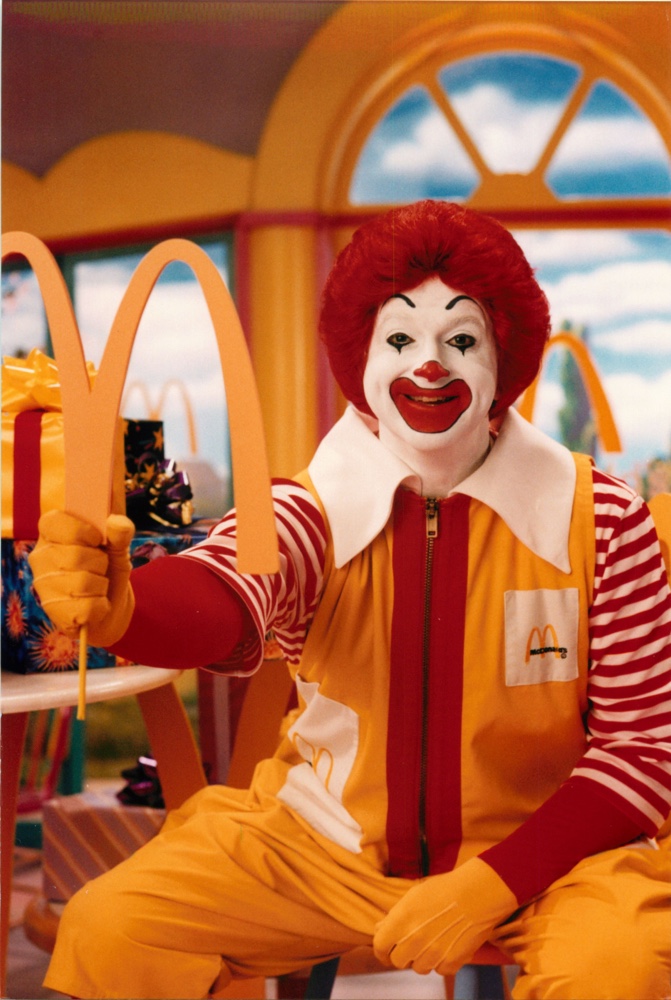
If you don’t think too much about it, Ronald McDonald may seem like little more than the happy-faced mascot of the worlds most delicious restaurant. He’s been bettering our lives since 1963, and after so long we’ve probably started taking him for granted.

But could there be more to his story? In those sixty-odd years this benevolent ‘clown’ has often demonstrated powers beyond the normal, and his fame has grown to truly extraordinary levels. He has transcended burgers and fries, and become a near-integral part of the tapestry of our daily lives.

He goes by multiple names (the Japanese call him Donald), and at times switches his gender. He can speak every language on earth and can play every instrument. He used to live in a fantasy world with sentient food, owns a spaceship and has a variety of magical powers that include the ability to produce delicious hamburgers from his trousers.

I know what you’re saying: ‘But he’s not real!’

This is of course the assumption we all make, because how could he be? And yet those who perhaps know him best – the McDonald’s corporation – have never said this. Quite the contrary in fact: in both 1995 and 2011 the company wouldn’t answer questions about how many Ronald ‘actors’ there were (“There’s only one Ronald McDonald.”) and in 2016 when he was ‘retired’ (due to the ‘creepy clown phenomenon’) they simply said he was now focusing on other things. He’s still ‘out there’ was the implication.

He’s become much bigger than his McDonald’s origins. Completely aside from the comics and books and toys and games and tv shows and even movies, he’s one of the most famous ‘people’ we all know, and his smiling appearance always bring with it happiness, hope, and a good meal. He’s become an idol around the world, and it was famously reported in 1995 that he was more recognizable in a worldwide poll than Jesus.

More recognizable than Jesus.

For various reasons we don’t see much of him these days but his memory lives on. I suspect he does as well, and is simply biding his time awaiting a triumphant return. Maybe next time his form will be different and perhaps at first we won’t recognize him. But his powers are vast and his message – eat my burgers – too seductive to ignore. I suspect in time we will once again accept – and indeed love – him as we once did.

The stakes are too high not to. A world without Ronald is a world without McDonalds. And is that any sort of world at all?